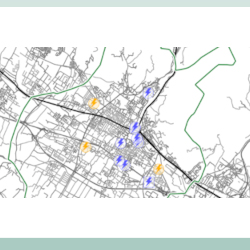
- Sustainable Urban Mobility Plan (SUMP) of Syracuse, Italy, and di Siracusa and related sector insights Following a tender procedure, the Municipality of Syracuse commissioned to Sintagma and TRT Ingegneria to update the Sustainable Urban Mobility Plan (SUMP), which the city adopted in 2019. SUMP development is divided into two phases. In the first one, the cognitive framework was reconstructed, updating the mobility system with regard to its current state. In particular, the planning-programmatic framework at regional, provincial and local level, the territorial and socio-economic framework of the plan area, the supply of transport networks and services, the demand for mobility and the social (accident rate) and environmental (atmospheric pollutants, fossil fuel consumption, etc.) impacts determined by the mobility system were defined. The second phase, which is currently being drafted, consists of the drafting of the Plan proposal, which will take into account the results of the SWOT analysis (in particular, the identification of critical issues and opportunities), the identification of the objectives and strategies of the PUMS, shared with the structures of the public administration. Parallel to the first phase and during the second phase, the participation process has been developed with the involvement of citizens and users of the city in the definition of the proposed Plan.. Participation activities have been organised through an extensive communication campaign, involving the direct involvement of Syracuse citizens, who are called upon to give their input by filling in an online questionnaire, thanks to which it is possible to investigate the mobility habits of the population and report any proposals. To complete the process, meetings dedicated to stakeholders and citizens have been organised to present the Plan document. Subsequently, accompanying the PUMS document, the new General Urban Traffic Plan will also be drafted, together with specific sectoral insights on particularly important topics such as, for example, mobility of all for all, home-school mobility, electric mobility.. For further content visit siracusapums.it (in italian) which contains the documents produced and presents the modalities of participation.
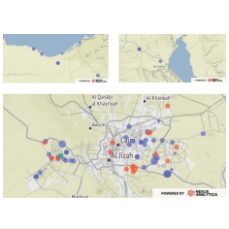
- Design and assessment of the National E-Mobility Strategy in Jordan Electrification is one of the main options towards decarbonizing the transport sector. The Jordanian transport sector, currently reliant on fossil fuels, accounts for nearly 40% of the energy consumption in the country in 2020. Transport decarbonisation has to be addressed to achieve Jordan’s ambitious Nationally Determined Contribution (NDC) goals. From electricity-sector perspective, uncontrolled electric vehicle (EV) uptake may bring challenges such as increase in peak load and distribution grid congestion, but also present financial and technical opportunities due to new revenue streams. Seeing the potential and benefits of E-Mobility uptake, the Government of Jordan has included Designing a National E-Mobility Strategy as part of its Reform Matrix, under Pillar 9 Energy. To this end, the Ministry of Energy and Mineral Resources (MEMR) has been leading the effort in coordination with key stakeholders and implementing partners. The World Bank (WB), through the Jordan Growth Multi-Donor Trust Fund (MDTF), supports MEMR and GoJ in its mandate with required Technical Assistance (TA) activities. This project will inform the WB’s policy dialogues in Jordan related to scaling up E-Mobility, in the context of the GoJ’s effort to design, launch, and implement a National E-Mobility Strategy. This study will have a particular focus on energy-sector issues (notably charging infrastructure and charging tariff), but also build upon past efforts, consolidate previous findings, systematically assess the key issues at stake, and provide valid and actionable options in order to support GoJ’s formulation of a comprehensive National E-Mobility Strategy. TRT, supported by MRC (Spain), is leading the project and is responsible for the design and assessment of the strategy. As part of its activities TRT has developed the Jordan vehicle fleet model to forecast the uptake of electric mobility.
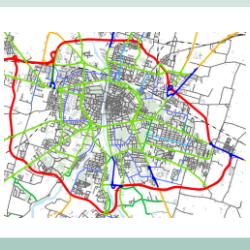
- Drafting of the General Urban Traffic Plan (PGTU) for the city of Parma The Municipality of Parma entrusted TRT with the service of drafting the General Urban Traffic Plan (PGTU) with the executive determination n. DD-2020-2813 of 23/12/2020. TRT presented the proposed Plan that is awaiting adoption and approval by the Municipality of Parma. Parma PGTU di Parma is structured as an implementation and short-term tool of the Sustainable Urban Mobility Plan (SUMP), a ten-year strategic instrument that the city of Parma adopted in 2017. TRT was also responsible of the drafting of the Sustainable Urban Mobility Plan of the city of Parma and, in 2019, was commissioned to coordinate the implementation and monitoring of Parma’s SUMP Parma PGTU follows the ministerial directives of 1995 and the subsequent updates of the New Highway Code, which provide guidance on the plan’s action themes, with indications on both transport supply and demand. The TMP was developed in two phases. The first phase reconstructed an updated knowledge framework of the mobility system, delving into its key aspects: the regulatory framework; the planning and programming framework, including the status of implementation of the current PUMS; the provision of transport networks and services, including the existing road network and classification as well as access regulation and zones 30; the roadside, in-structure and interchange parking system; motorised urban public transport; cycling and sharing services; mobility management actions; transport demand; the social and environmental impacts of the mobility system. The second phase was developed from the reading of the cognitive framework and the selection of objectives identified by ministerial directives. On this basis, the PGTU identified short-term measures inferred from those foreseen by the SUMP (2017) and updated taking into account the new opportunities introduced in the last two years as measures in favour of sustainable mobility. In particular, the topics covered by the Parma PGTU include: a new functional classification of the network, adapted to the recent changes to the road network and the traffic calming measures recently introduced; streets upgrading, securing roads, regulating access and moderating interventions (Zone 30, school roads, etc.); the establishment of “Area Verde” (Green Area), a Low Emission Zone covering the urbanised territory of Parma and the Blue Area (ZTL), as a revision of the system for regulating access to the urban and central area; the revision of the network of urban public transport services and closer modal integration with the bicycle network; parking policy (supply, regulation and pricing); the improvement of cycling through the introduction of cycle roads and routes, the realisation of measures for widespread cycling (Zone 30) and the implementation of new sharing and micro-mobility services.
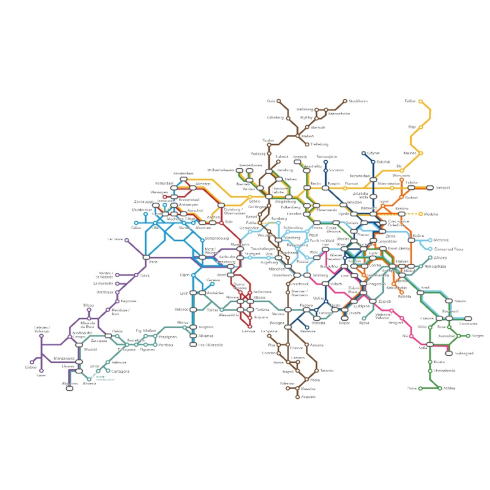
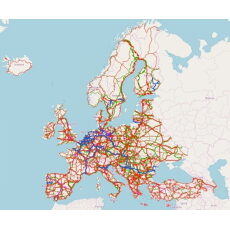
- Scoping and Feasibility Study for a European Transport Market Study Client: RailNetEurope (RNE) RailNetEurope (in short, RNE), commissioned the consortium formed by TRT (lead) and HaCon a scoping and feasibility study for the development of a freight transport market study at the European level (European Transport Market Study, or ETMS). The need to investigate the technical characteristics, and the potential use cases of such a study stems from the scarce diffusion and lack of application of the Transport Market Studies made by individual European Rail Freight Corridors (RFCs) in the past. A European-level study would overcome the drawbacks identified with previous studies and would concretely support the necessity of optimising and coordinating efforts aimed at increasing the modal share of rail freight transport, in line with EU policy targets. The research process underlying the feasibility study was first grounded on a thorough analysis of existing RFCs’ Transport Market Studies, aimed at identifying the respective contents and structure, as well as the data sources and databases employed; further, the employment of EU-scale models was assessed with respect to the purposes of simulation and forecasting, and a wide stakeholder consultation strategy was activated, bringing i.a. infrastructure managers, railway undertakings, associations, port terminals, and members of the Rail Freight Corridors to the table. The project delivered a feasibility study with an accurate assessment of the actual possibility of making a Transport Market Study at the European scale, based on both the availability of necessary data and analytical tools, as well as the need to adequately and efficiently respond to the requests brought up by stakeholders. Specifically, several options for realising the study have been evaluated, accompanied by the definition of required analytical tools and methodologies. Based on the best solution, the main components of the actual study have been set, and guidelines for its realization have been redacted. For more information: RailNetEurope istitutional websire Dedicated page for Rail Freight Corridors
- Feasibility study of the ‘Shuttle’ service within the Cesano Boscone municipal area TRT was commissioned by the Municipality of Cesano Boscone to analyse the feasibility of implementing a public transport service within its territory. The study is focused on the definition of possible alternatives that are functional to the local context. To this end, TRT reconstructed the territorial cognitive framework, identifying the current road classification, the demographic evolution of the target population groups (over 65 and under 14) and its territorial distribution. Similarly, poles of attraction within the municipal territory were identified, both in terms of services to the population and commercial areas. The cognitive framework is concluded by the analysis of current LPT services, identifying the lines and routes and their timetables, and by the analysis of the overall travel demand described by the origin-destination matrix of the Lombardy Region. Following the analysis of the municipal local public transport service decommissioned in 2011, TRT proposed two general functional solutions and the relative management models, declining them on the basis of some important realisations already active at a European and national level. TRT proposed the implementation of a timetable-based car line to cover the deficiencies identified for the service already in operation along a route connecting the Tessera locality with the centre of Cesano Boscone. The second alternative consists of a flexible service upon request. TRT has presented the administration with several alternatives based on a number of active case studies. The last task was the definition of a preliminary economic framework including the description of how the service will be entrusted, following an integration of the cognitive framework that the municipality wished to complete by distributing a questionnaire to the population. [tw_button icon=”” link=”https://www.trt.it/en/Projects/” size=”small” rounded=”false” style=”flat” hover=”default” color=”#223468″ target=”_self”]Projects[/tw_button]
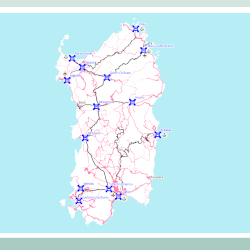
- Consultancy assignment for specialist transport engineering activities related to the “Pre-feasibility study for a regional railway network in Sardinia” on behalf of Uniontrasporti TRT collaborated with GVG Engineering on an in-depth study on the current railway network in Sardinia, defining its characteristics and potential, for a study requested by Uniontrasporti. TRT analyzed the current railway network in terms of extension and technical characteristics of both the Rete Ferroviaria Italiana (RFI, main Italian railway infrastructure manager) and secondary narrow-gauge (ARST) networks; the analysis of services offered; the analysis of production nodes and tourist demand; the definition of the needs of the local population to favor the accessibility of inner areas and support regional economic development; the definition of requirements; and the identification of modal interchange points between passenger services. This was accompanied by an analysis of the interventions planned on networks according to the Economy and Finance Document 2022 (“Documento Economia e Finanza” of Italian government), the Framework Agreement between the Region of Sardinia and RFI, the RFI 2022 Business Plan, regional planning instruments, and the three-year plan of works of ARST. The services description was based on an analysis of the timetables published on institutional websites of individual organizations. The analysis focused also on tourist services, such as the Green Train (“Trenino Verde”, a touristic service on dismissed rail lines), and urban services, above all MetroCagliari and MetroSassari. This analysis led to the identification of interchange nodes, which were described in terms of the services present. The demand analysis completes the definition of the knowledge framework, identifying the main municipalities in terms of population and employees, tourist demand over the years and identifying the most attractive municipalities. Eventually, the definition of needs analyses the information gathered during several meetings held with local stakeholders, trying to define the priorities of the territory. The study is completed by the description of possible project interventions, constraints and criticalities of the network, which TRT supported in defining.
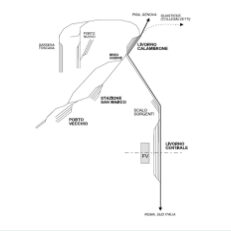
- Feasibility study and preliminary design of the railway network of the Northern Tyrrhenian sea port system TRT, with Vega Engineering, was in charge of the feasibility project for the development of railway network of the ports of Livorno and Piombino. The objective of the work is to quantify the transport demand observed in the past, with reference to the movement of goods and passengers and, at the same time, to estimate the future freight flows, also using the transport simulation model –TRUST, developed by TRTv that works at European scale. The project proposals envisage the improvement of the capacity of the existing terminals and their progressive adaptation to international standards. On the basis of the proposed project alternatives, a specific study was made of the railway capacity of the system in terms of the number of trains that can be operated by the two ports, verifying that the long-term demand forecasts can be met by the planned planning schemes, while also maintaining residual capacity . The transport performance of the railway system, together with the design characteristics (costs, construction times, etc.), constitute the database that has allowed the development of a Multicriteria Analysis that has compared the different design alternatives. A Cost Benefit Analysis was conducted, to assess the advantages and disadvantages of the project for the community.
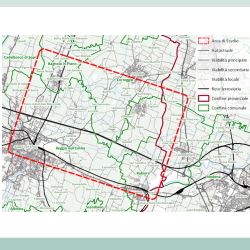
- Traffic study on the opening of an exit along the A1 near Gavassa, Reggio Emilia TRT was commissioned to draw up a traffic study to evaluate the opening of a new exit along the A1 motorway, between Reggio Emilia and Correggio. The study saw the implementation of a macroscopic traffic model, a useful tool for the evaluation of the different hypotheses considered. A territorial analysis of the area in included, with an in-depth study of the characteristics of the road network and the traffic demand in the area, with the analysis of the origin-destination matrix of the regional model, the available traffic counts and an on-site inspection which included specific traffic counts. All these information were used to calibrate the model. The following step was the reconstruction of the reference scenario, with respect to the year 2040, in order to include in the model all the road interventions planned by regional and local administrative divisions. The traffic model was thus used to evaluate five different project hypotheses, evaluated at the year 2040: a three-way exit with connection to the ordinary road network, subject to redevelopment, to the south of the motorway axis a trumpet exit with connection to the ordinary road network north of the A1, subject to redevelopment an exit with separate functions which has an entrance to the north and to the south of the motorway; the hypothesis of a parallel road of A1 motorway which connects the Prato-Gavassa area with the ordinary road network in Via Gramsci (Reggio Emilia); the hypothesis of a parallel road of A1 motorway which connects the Prato-Gavassa area with the access road to the Reggio Emilia tollgate, including an overpass of Via Gramsci.
- Unlocking opportunities for private sector participation in electric mobility transition in Jordan and Egypt Electrification of transport stands out amongst the most promising emerging solutions at the interface of clean energy transition and sustainable transportation. Countries in the MENA (Middle East and North Africa) region are at very different stages of Electric-Mobility development. However, E-Mobility creates opportunities for climate change mitigation and adaptation, increase energy efficiency, enhance quality of transport services, and improve urban air quality, while taking advantage of the integration of higher shares of renewable resources, energy storage and demand response technologies in the evolving electricity grids across the region. The objective of this twofold consulting assignment is to provide support to the World Bank task team to deliver technical assistance to both Jordan and Egypt, with the aim to facilitate: private sector participation (PSP), including different forms and levels of engagement from the private sector to collaborate with the public sector (PPP); and private capital mobilization (PCM), which enables and leverages private sector investment to maximize the total financing resources available for development purposes, to support a more ambitious goal towards E-Mobility development. The studies for the two countries focus on two main pillars (e-buses fleets and EV public charging infrastructure), and provide operations-ready and investment-ready output, with suggestions on feasible business models and potential contractual arrangement for PSP and PCM in the e-mobility transition and investment rollout. The two projects are carried out by the same lean international consortium made by MRC Consultants and Transaction Advisers (ES), leading, and TRT (IT). In the consortium, TRT is specifically responsible for the EV charging infrastructure sub-sector (in both countries) and is leading the study related to Jordan.
- Sustainable Urban Mobility Plan and Urban Plan for Cycling Mobility of the Metropolitan City of Naples The Metropolitan City of Naples has commissioned the temporary grouping of companies consisting of TRT Ingegneria (agent), Sintagma (Principal) and TPS Pro (agent) to draft the Sustainable Urban Mobility Plans (SUMP) and the related “Biciplan” (Urban Plan for Cycling Mobility). The SUMP is draft in accordance with the guidelines issued by the former MIT today MIMS. Launched in September 2021, the drafting of the SUMP involves several phases: Definition of the “territorial knowledge framework”; Definition of Plan targets and objectives; Definition of policies, strategies and actions; Construction of scenarios and definition of the Plan Proposal; VAS and VIA (strategic and impact – environmental assessments). Along the drafting, the participatory process plays a fundamental role in all the activities underpinning the SUMP according to its own Participation and Communication Plan. TRT contribution in the SUMP drafting includes – in addition to participation along the entire process of the Plan elaboration – the drafting of the Biciplan and two thematic studies: freight transport and urban logistics and transport of people with reduced mobility. The Urban Plan of Cycling Mobility (Biciplan) promotes the use of bicycles as a mode of transport for daily, touristic and recreational activities, improving the safety of cyclists. The Biciplan identifies the strategic metropolitan network with itineraries that connect, in synergy with public transport, the urban centres as well as main attraction and intermodal poles. Sustainable urban freight transport and logistics address the rationalization of freight transport on a metropolitan scale cutting negative impacts and externalities linked with the distribution and the transportation of goods in urban areas. Transport of people with reduced mobility analyses measures to ensure maximum accessibility, autonomy and ease of travel through universally accessible means by removing architectural and virtual barriers. The fundamental objective is the definition of coordinated actions concerning the structure of services, accessibility to transport infrastructures (railway and underground service stations, interchange parking lots, ports, airports, etc.) and the increased participation of people with reduced mobility to public spaces. For more information (only available in italian) Documenti consultabili sul sito del PUMS di Città Metropolitana di Napoli News (only available in italian) Napoli: Borrelli incontra progettisti del PUMS. Tra i temi il tram veloce per la zona Nord, 13 maggio 2022
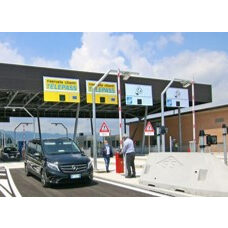
- Effects of pricing policies on the Superstrada Pedemontana Veneta – Surveys, analysis and proposals The study evaluated the effects of different toll schemes on Superstrada Pedemontana Veneta traffic forecasts using the PTV Visum traffic assignment software package. The toll schemes were designed combining different combinations of toll levels, modulated according to both vehicle type and geographical area of origin for passenger and freight traffic. The alternative toll schemes were designed also taking into account the outcome of a series of interviews aimed at identifying the demand for commercial vehicles that could potentially be attracted to the new road infrastructure. The survey directly involved both local and international companies, logistics operators, sector and trade associations that would be potentially interested in using the motorway infrastructure. The survey questionnaire was aimed at understanding the respondents’ needs and requirements as well as their point of view in terms of advantages and disadvantages of using the infrastructure considering time, costs, quality of services and parking areas availability.
- Electric Mobility Plan of the city of Prato The development of an e-mobility sector plan is one of the actions foreseen by the current SUMP (2017) for both vehicular mobility (private fleets, public facilities, passengers and goods) and public and collective mobility (PT and sharing). In this sphere, the City of Prato requested the drafting of an Electric Mobility Plan (EMP) in order to indicate a scenario for the development of e-mobility, as a coherent set of measures capable of acting on the supply side (sizing and general location of electric vehicle recharging stations), and of measures to support the demand for mobility. The study envisages the construction of a cognitive framework with the aim of outlining the current and future scenario of e-mobility demand and supply On this basis, the EMP identifies: the current state of demand (composition of the circulating vehicle fleet) and supply of charging infrastructure for public use in the city; a trend scenario, projection in the future five-year period of growth rates in demand (estimates of the evolution of the electrically driven vehicle fleet) and supply of charging infrastructure for public use; an evolutionary scenario formulated in consideration of the targets set at EU and national level and indicated in recent planning and programming documents (cf. PNIRE and National Recovery and Resilience Plan-NRRP). Based on the evolutionary scenario, the infrastructural endowments are therefore sized, disaggregated according to the performance of the recharging stations (slow-accelerated or fast) intended for private and public fleets, as well as their broad locations. All these aspects represent the technical elements to support the Administration of Prato in the subsequent phase of selecting the operators who will be called upon to develop the recharging network in the urban area in accordance with the regulatory provisions. TRT was also responsible of the drafting of the Sustainable Urban Mobility Plan, the Parking Master Plan and the Urban Traffic Plan of the city of Prato In 2022, TRT also drafted Prato’s SUMP monitoring report in accordance with the indicators of DM 396 of 28/08/2019.
- Prato SUMP monitoring report in accordance with the indicators of DM 396 of 28/08/2019 TRT was commissioned by the Municipality of Prato to draw up the SUMP monitoring report. The SUMP was approved by Municipal Council Resolution no. 51 of 2017. The activity consists in verifying the state of implementation of the measures foreseen in the Sustainable Urban Mobility Plan as of February 2022, while highlighting the evolution of the descriptive variables of urban mobility (demand, supply and environmental and social impacts). This is an activity envisaged by Article 4 of the Ministry’s PUMS Guidelines (DM 397/2017). In particular, the assignment includes the following macro activities: comparison of indicators selected from the current SUMP (approved in June the 1st, 2017) and therefore prior to the issuance of the SUMP Guidelines (DM No. 397 of 4 August 2017 and the subsequent update introduced by DM 396 of 28 August 2019); adjustment of the PUMS indicators to DM 396 of 28 August 2019 and their estimation to the base year (2017) and 2021; verification of the SUMP status of implementation as for the individual measures envisaged in the two Reference and Plan Scenarios; adaptation of SUMP objectives and actions; recommendations and indications for future updating of the current SUMP as set out in the 2017 Ministerial Guidelines. The first part of the activities consists of comparing all the indicators within the current SUMP with those indicated in DM 396 of 28/08/2019 in order to align the SUMP with the new ministerial provisions. Secondly, it verifies the status of implementation of the measures foreseen by the SUMP on the basis of the close interaction between TRT and the technical structures of the Municipal Administration, in order to account for the activity put in place during the 2017-2021 period in implementing the SUMP. The combination of these activities makes it possible, on the one hand, to estimate the trend of indicators representative of the PUMS objectives and, on the other, to understand the choices made by the Administration with respect to the implementation of the measures. Finally, the intersection of the two pieces of information makes it possible to give an account of the trend of the targets set by the SUMP and to modulate the Administration’s action accordingly through the implementation of the actions in favor of sustainable mobility envisaged by the SUMP and its subsequent update. TRT was also responsible of the drafting of the Sustainable Urban Mobility Plan, the Parking Master Plan and the Urban Traffic Plan of the city of Prato In 2022, TRT also drafted Prato’s e-Mobility Plan.
- Impact assessment on measures to better manage and coordinate international rail traffic, including through revised rules for capacity allocation and infrastructure charging in rail The impact assessment study is intended to provide evidence-based support for developing a new initiative implementing: Action 19: Measures to better manage and coordinate international rail traffic, including – if necessary – through revised rules for capacity allocation and infrastructure charging in rail Action 24: EU 2021 Rail Corridor Initiative – Revise the Rail Freight Corridor Regulation of the European Commission’s Smart Mobility Strategy (COM/2020/789 final) for achieving the objectives of the EU Green Deal (COM/2019/640 final). In the Green Deal and the Strategy vision for the future EU transport system, a substantial part of the 75% of inland freight carried today by road should shift onto rail and inland waterways. Moreover, rail freight traffic is projected to increase by 50% by 2030 and double by 2050; by 2030, rail and waterborne-based intermodal transport will be able to compete on equal footing with road-only transport in the EU.
- Impact assessment support study for the new proposal addressing the development of multimodal digital mobility services and a cost-benefit analysis for the revision of Delegated Regulation (EU) 2017/1926 on multimodal travel information services Maximising multimodality and intermodality in passenger mobility is a key element in reducing transport’s contribution to climate change while ensuring that transport systems operate efficiently, both within Member States and also across the EU’s internal borders. Multimodal digital mobility services (MDMS) are, in turn, crucial to foster multimodality as they promote comparability, transparency, and the selling of products across operators and modes. MDMS bring direct benefits to users: they help people to navigate and access an increasingly complex and diverse range of transport offerings, including a range of shared mobility services, as well as to understand the role and benefits of active modes, that will help them meet their mobility needs in different, more sustainable ways. This can also help to increase accessibility more generally, and so help to reduce social exclusion, by enabling those most in need to access the mobility services that enable them to participate more fully in society. Services that support multimodal transport also help to make transport more efficient and sustainable by increasing the utilisation of the various transport services, improving their operation, and nudging users towards the more sustainable options. The study is crucial in informing the scope and focus of the actions that are necessary at the EU level to ensure that MDMS can fully contribute to the aims of the Smart Mobility Strategy and the Green Deal and, more importantly, bring their associated benefits to users and the environment.
- Analysis accompanying the Impact Assessment for the revision of Directive 92/106/EEC (Combined Transport Directive) The project aims to provide a robust evidence-based analysis to develop an impact assessment on the possible revision of the Combined Transport Directive. The objective of the revision is to increase the share of rail, SSS and IWW in the EU freight transport, reducing GHG emissions as well as other transport externalities such as congestion and accidents. The impact assessment should inform the specific measures to be included and the level of ambition of the revised Directive, including the following tasks: Task 1: analysis of the main problems and policy objectives identified by the Commission Task 2: Assessment of the policy measures according to their legal, political and technical feasibility Task 3: Analysis of the baseline scenario, including both the status-quo and the likely evolution of the problem drivers Task 4: Assessment of the economic, social and environmental impacts of each policy option Task 5 and 6: comparison of options and selection of the preferred policy options TRT is involved mainly in Task 3 and 4, providing among others EU scale modelling (ASTRA) for estimations of key variables (transport activity, modal share, fuel consumption, emissions, etc.) for the baseline and policy scenarios, and tailored cost models to quantify the economic impacts of the proposed measures and combination of measures.
- European Urban Mobility Observatory and support (ELTIS) and Urban Mobility Scoreboard (SUMI – Sustainable Urban Mobility Indicators) ELTIS, the European Urban Mobility Observatory, is a long-standing web portal (eltis.org), which has facilitated the exchange of information and best practice in the field of urban mobility in Europe for over 20 years. Financed by DG MOVE, ELTIS has expanded its remit over time, evolving from an information repository, to become the EU’s Urban Mobility Observatory. As such, ELTIS now provides a broad range of essential services (e.g. training and support tools) and became a one-stop shop for sustainable urban mobility plan (SUMP) guidance, following the integration of the European Platform on SUMPs into a new portal hosted on the European Commission website (Urban Mobility Observatory). To support the use of the SUMP guidance material available on ELTIS, the SUMI (Sustainable Urban Mobility Indicators) project aimed at developing a set of indicators to enable cities to identify deficiency areas and enhance alignment with EU policy goals. The ultimate goal has been the definition of indicators covering the seven indicator areas mentioned in the draft amended TEN-T Regulation, together with the development, implementation, and analysis of responses to a European-wide urban mobility data and indicators survey of cities proposed to be ‘urban nodes’ in the draft TEN-T Regulation. This project extends the legacy of the ELTIS portal, managed for the period 2022-2023, and updates and enhances SUMI to support the amendment of TEN-T Regulation. After having been already involved in both the previous ELTIS (2017-2021) and SUMI (2018-2020) projects, TRT has been awarded for the combined ELTIS-SUMI 2 project, as part of an international consortium led by Ricardo (UK), with Rupprecht Consult (DE), POLIS (BE), ECORYS (ML), TEPR (UK), Vision5 (AT), UITP (BE), TML (BE) and Marlon (BE). TRT contributes to the project as it comes to: publishing news items and case studies on the ELTIS Portal, and drafting new SUMP Topic Guides / Practitioner briefings, to facilitate the continued dissemination of best practice information to urban mobility professionals across Europe, chairing and organising meetings of the EU SUMP Platform Coordinating Group, bringing together representatives of the main ongoing and EU funded projects on SUMP, reviewing, updating and simplifying the set of SUMI indicators related to the indicator areas of the amended TEN-T Regulation, exploring data availability among the cities defined as urban nodes across Europe. For more information: SUMI website Previous ELTIS contract Previous SUMI contract [tw_button icon=”” link=”http://www.trt.it/en/Projects/” size=”small” rounded=”false” style=”flat” hover=”default” color=”#223468″ target=”_self”]Projects[/tw_button]
- Passenger demand for small aircrafts until 2050: design and application of a modelling tool to simulate future scenarios The background of the study is the European Clean Sky 2 programme, aiming at developing innovative technologies to reduce emissions and noise levels from aircrafts, while simultaneously developing and strengthening a globally competitive aeronautical industry in Europe. The scope of the programme does also include Small Air Transport (SAT), which is expected to contribute to the connectivity of remote regions in Europe and the rest of the world. The study provided an ATS level assessment and forecasts for Small Air Transport aircrafts, namely airplanes with passenger capacity between 9 and 19 seats and pressurized and unpressurized cabin compartment. A modelling tool has been developed to provide (i) the assessment with respect to passenger volume, fleet and flights for the base year 2019 and (ii) results for future years from 2025 to 2050 in five years steps. The main activities of the project have been related to: Review and analysis of available SAT concepts and potential business models; Design and development of the model for the estimation of demand for Small Air Transport aircrafts at European scale, supported by the related data collection and calibration process. The model is also accompanied by input and output interface, complemented with a user guide; Application of the model to forecasts future potential SAT demand for the reference scenario and two alternative scenarios by 2050; Analysis of European modelling results to evaluate the potential SAT demand for the rest of the world with a qualitative approach. TRT led the project and covered all the activities related to the model design, development and application. The subcontractor SEO Amsterdam Economics focused on the review of SAT concept and business models. For more information: Official site of Clean Aviation programme: description of Small Air Transport Transversal Activity.
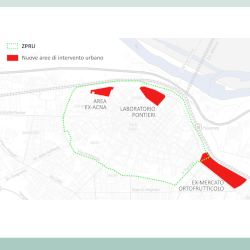
- Parking supply analysis in the Municipality of Piacenza in a medium-long term perspective The Municipality of Piacenza committed TRT Trasporti e Territorio for an analysis of the current parking supply and its evolution in the medium-long time frame in relation to the transformations that will affect the Municipality in the next 10 years future. The study was carried out according to the actions that the Municipality of Piacenza has developed recently, through an important revision of the mobility planning tools. Parking policies are of particular importance and may influence the entire mobility pattern of the city. In fact, last December 2020 the Municipal Council approved the Sustainable Urban Mobility Plan (SUMP) and the Urban Traffic Plan (the Italian so called “PUT” Piano Urbano del Traffico) is currently waiting for its adoption. The city’s parking supply is always evolving, also according to the urban planning development and the accessibility of new areas that have recently become available. It is therefore of particular importance to monitor the evolution of the parking supply analysing in detail the changes that may undergo according to the measures, strategies and choices of the city’s urban plans. Analyses have shown that the areas related to the development of the New Hospital, the Ex-ACNA area, the Ex-Laboratorio Pontieri and the Ex-Mercato Ortofrutticolo would lead to an increase of about 2,100-2,300 parking spaces available in the historical centre for a total of an increase by 31%-34%. [tw_button icon=”” link=”http://www.trt.it/en/Projects/” size=”small” rounded=”false” style=”flat” hover=”default” color=”#223468″ target=”_self”]Projects[/tw_button]
- Drafting of the Biciplan, an strategic vision for cycling mobility in the city of Piacenza as part of wider mobility system introduced by the Sustainable Urban Mobility Plan (SUMP) In 2018 the Municipality of Piacenza started the process of reviewing and updating its mobility planning tools. After having elaborated the Sustainable Urban Mobility Plan and the Urban Traffic Plan, the Municipality has entrusted TRT with the drafting of the new Biciplan, that represents a deepening of the strategic vision for cycling already introduced in the approved SUMP. The Biciplan assigns a primary role to cycling with the aim to satisfy the mobility needs not only related to leisure but also (and especially) to the everyday commuting. The compact urban form of Piacenza with its orographic and climatic conditions plays in favour of a greater diffusion of cycling. Indeed 22% of residents already regularly cycle to work. The drafting of the Biciplan, started in April 2021, consists of the following activities Analysis of the local cycling mobility system and planning context with particular attention to the existing cycling network and related services, as well as the analyses of the cycling demand and road accident rates; definition of the methodology and the objectives for the prioritization of measures, also taking into account the limited resources; elaboration of the Plan proposal through the identification of policies and measures able to define the infrastructure, the services and the communication activities to encourage the use of bicycles as well as other aspects related to urban logistics and last mile deliveries. the quantification of economic resources necessary to implement all actions included in the plan and the definition of the monitoring system including indicators and targets . For more information The biciplan as a sector plan of the SUMP “Sustainable Mobility Planning in Piacenza, Italy”. Case study published by Eltis Platform
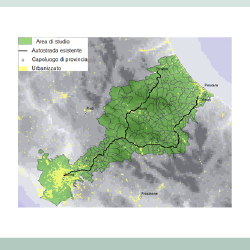
- Strada-dei-Parchi: Traffic study and cost benefit analysis of A24-A25 motorway The objective of the project was the traffic study, the cost-benefit and risk analysis of different of A24 and A25 motorways’ layout alternatives. The AIMSUN traffic simulation model was used to evaluate the impacts of the different route design variants, with special focus on travel times and accessibility. The Cost-Benefit Analysis of the alternative scenarios was combined with the sensitivity analysis of the main variables (e.g. investment costs, maintenance, etc.) and the risk analysis to evaluate the effects of uncertain variables (eg traffic demand, investment costs, incidence of weather conditions) represented with different probability distributions of occurrence. The Cost-benefit Analysis provided the economic indicators: Net Present Value – NPV and Economic Internal. Particular attention was paid to the assessment of the weather conditions impact on traffic and travel times in the various design alternatives.
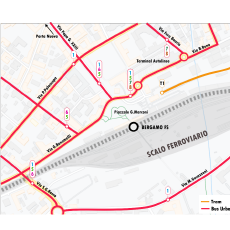
- Preliminary study for the definition of development scenarios for the intermodal hub of the Porta Sud area, near the Bergamo rail station ATB Mobilità SpA assigned to the temporary association of enterprises formed by TRT Trasporti e Territorio and Policreo Società di Progettazione the contract for a study aimed at analysing the prospective structure of terminals, services, and technologies supporting the development of the intermodal hub to be build in Bergamo Porta Sud area, near the railway station. Activities included: A transport analysis, with the aim of obtaining a solid reference framework on the traffic flows (travellers and vehicles) that use and will use the intermodal hub. The evaluation of transport and environmental variables, through the application of a traffic model, allows to outline specific design considerations with the aim of guiding the development scenarios of the area. A review and analysis of international case studies relating to integrated mobility hubs, with the objective of identifying the design criteria to be followed in the design phase of the future intermodal hub in Bergamo. The development of proposals regarding scenarios that may be envisaged in the intermodal hub, with specific reference to connections and movements within the area (i.e., seamless transfers between transport terminals – urban and non-urban buses, tramways, trains, shared mobility facilities, etc.). The design of transport and architectural layouts related to the urban terminal of the existing T1 and the planned T2 tram lines, as well as of the new suburban, regional and long-distance bus terminal.
- Design and technical assistance for the implementation and tendering of a seasonal public transport service in the Municipality of Melendugno (Lecce, Italy) TRT Trasporti e Territorio Srl was commissioned by the Municipality of Melendugno to support the definition of a public transport service to be provided in the summer months connecting all the coastal marinas in its territory (Torre Specchia, San Foca, Roca Vecchia, Torre dell’Orso and Torre Sant’Andrea), as well as between the more inland areas (the town centre and the hamlet of Borgane) and the coast. The activities concerned in particular the revision of the existing daily service based on the “Mare in Bus” and “Terra-Mare in Bus” lines, as well as the preparation of the tender documents for the assignment of the service. The new service was tailored to the needs expressed in previous seasons, which in particular required an increase in the capacity of the vehicles used and faster journey times. The design of the new service included a review and verification of the stops, the inclusion of new stops and the definition of the routes and the operating schedule for both local lines. The timetables were integrated with those of the extra-urban buses connecting Otranto and Lecce. The service was successfully tested during the 2021 tourist season in order to calibrate the final bidding scheme and prepare for the subsequent multi-year tender. TRT also provided indications regarding the area’s overall mobility system, verifying the offer of parking in dedicated parking areas, on-street parking, the provision of pedestrian areas and limited traffic zones and, in particular, the impact on traffic and public transport services of the new coastal cycle/pedestrian path planned by the Municipal Administration. For more information visit visitmelendugno.com
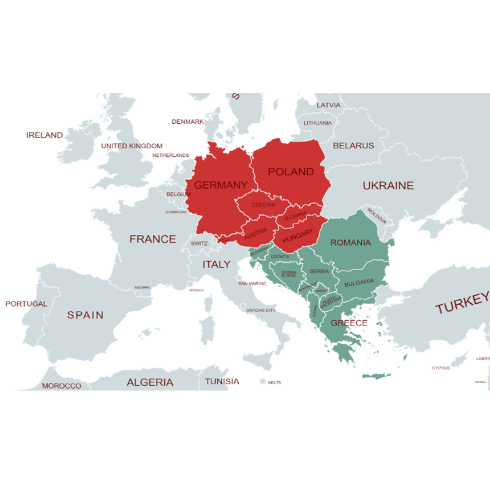
- Definition of a strategy to exploit the potential of Greece as a gateway for logistics flows to and from Central The objective of this study is to support the Government of Greece in developing a Logistics Gateway Strategy and the related Implementation Plan to consolidate the role of Greece as maritime transhipment hub serving the international containerised traffic within the Mediterranean Sea and to pursue a transition from transhipment hub to a regional logistics gateway. The study approach is to assess and contextualize the opportunity to better position Greece’s logistics sector in order for Greece to become a more capable, more competitive and more attractive gateway linking Central Europe with international and intercontinental markets. To support the positioning of Greece, especially the port of Piraeus and Thessaloniki, the analysis develops the following steps: Quantitative mapping of the Central European Hinterland trades with a focus on south-east Asia (China) in order to understand the amount of freight traffic and the routes followed. This includes the intercontinental railway route across Asia between Europe and China. Operational mapping of the freight trades by involving relevant stakeholders (freight forwarders, intermodal operators, big retailers, etc.) mainlybased in Central Europe. The analysis provides a review of: maritime ports in Greece (Thessaloníki and Piraeus) and in Europe (Hamburg, Gdansk, Rotterdam, etc.), serving the Central European Market, freight corridors serving the Central European Market: the Pan European Corridor X and the Orient/East-Med TEN-T Corridor. In this study, TRT lead an international consortium of companies based in Greece (OPTILOG) and Austria (MC Mobility Consultants) to better cover the geographical scope of the study and with the partnership of MDST Transmodal as transport modeler expert in the container cargo shipping.
- Study on costs and benefits of the sustainable urban mobility transition The study had the objective to assess the impacts of different sustainable urban mobility transition scenarios, producing a quantitative analysis of their costs and benefits for European cities by 2030 and 2050. The calculation is based on an improvement and extension of the MOMOS model, which allows to calculate the costs and benefits of the transition through a set of indicators. To take into account differences among 779 European cities, the quantification of results has been applied to 12 city prototypes, which considered different dimensions (small, medium, and large cities) and geographic areas (southern, central/western, northern, and eastern Europe). The project considered three potential scenarios, based on a combination of policy measures taken from key EU initiatives: Promote and regulate, based on changing behaviour and promotion; Plan and build, focused on investments in technology and infrastructure; Mixed, which combines policies from the previous two scenarios. The three scenarios were built on specific combinations and applications of policy measures, belonging to six different policy groups: Shared Mobility and Demand Management; Innovative Services; Green Public Transport and Logistics Fleets & Charging Infrastructure; Pricing Schemes; Transport Infrastructure; Traffic management and control. The outputs of the study consisted in a series of indicators from three domains: transport (modal split, car ownership), environment (CO2 emissions, fatalities), and economic (city costs, revenues, and externalities). Also, a policy effectiveness comparison determined the best policy measures, in terms of associated cost/revenues and CO2 reduction, according to different city sizes. For more information: Full results of the study can be explored with this interactive tool. The study’s Full Report can be downloaded here. Additional info can also be found on the EIT Urban Mobility website For more information: New contract Interactive tool to explore results of 2021 study 2021 study’s Full Report EIT Urban Mobility website on 2021 study
- New mobility patterns in European cities The objective of the study is to provide an extensive data collection covering the areas of passenger mobility, urban logistics, fleet composition, transport activity and traffic for the EU Member States. The project is composed of three tasks: An EU-wide survey covering all mobility, including both urban and non-urban parts, based on the methodology recommended by Eurostat with a specific focus on new ways of mobility in cities (shared mobility, active mobility and use of alternative fuelled vehicles and modes). The task includes a statistical meta-analysis of similar surveys done at EU and at national, major regional and local level to derive evolution over time of mobility patterns. A targeted survey on urban logistics in the major EU urban centres, addressed at businesses that provide delivery services for own account or for hire, to understand the composition and the mileage of the fleet, the characteristics of the vehicles, the corresponding activity, the fuel/energy consumption, the Origin-Destination characteristics of the supply chain and the carbon footprint resulting from their activities in cities. A complete and consistent dataset of fleet, activity and traffic data and relevant indicators on the economic, environmental and usage aspects of transport, for the period 2005-2018, covering all road, airborne, rail and waterborne passenger and freight transport. TRT led the systematic review of existing mobility surveys in Europe, analysed the results of the passenger mobility survey (Task A), supported the activities for the urban logistics survey (Task B), and developed the rail dataset (Task C).
- User-friendly information tool on urban and regional vehicle access regulation schemes II UVAR-Exchange is the European Parliament Preparatory Action 2 (EP PA 2) contracted by DG MOVE. The project, which links to and follows the EP PA 1 (the UVARBox project in which TRT is also involved), aims to enhance the experience of road users by improving the communication of information to drivers in the vicinity of UVARs, as well as to facilitate the city’s access to information, especially of foreign vehicles and drivers, for their seamless travel and the city’s enforcement of UVARs. The project developed recommendations and guidance for EU-wide harmonised physical signs for different UVARs (use of symbols and layout of main and additional panels plus indication on road marking) and for variable message signs (VMS). Their applicability has been discussed and demonstrated in different countries including the provision of information to the vehicle via Cooperative Intelligent Transport System (C-ITS) UVAR-adapted and harmonized messages. UVAR-Exchange also addressed the cross-border sharing of vehicle and driver information, which will on one hand, allow the automatic compliance check of foreign vehicles and drivers, reducing the need for pre-registration (and related fines). The work included intensive desk research and extensive engagement with experts and stakeholders at the local, regional, national and international level (including the UNECE working group on road sign and signage), through surveys, interviews and workshops. For more information: UVAR BOX project
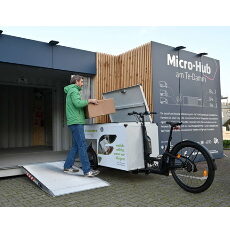
- Feasability study of urban freight transport, sustainable access to Reggio-Emilia historic centre The feasibility study of urban freight transport (UFT) sustainable access to Reggio-Emilia historic centre is a project contracted by Reggio Emilia Municipality. The project is underpinned by the results of the RESOLVE initiative (funded by Horizon 2020) that in the last three years, together with local administration surveys, has monitored average city centre accesses of both retailers and logistic operators. The study aims to understand the feasibility of urban consolidation centres (UCC) or micro consolidation centres (MCC) to favour last-mile sustainable operations throughout cargo bikes. This is gained by gathering a detailed level of information concerning local user necessities via online surveys and focus groups. Also, the analysis intends to evaluate the quality of infrastructure considering its compatibility with cargo bikes needs. Reggio-Emilia cyclelogistics feasibility study partly relies on local retailers and logistic operators who will be invited to join the Cyclelogistics Partnership. The joint venture is meant to define daily operative requirements as well as to form a permanent group of initiative forerunners and users. Such requirements will determine the characteristics of the consolidation centres in terms of dedicated structure (permanent, semi-permanent, temporary) and type of furniture/spaces that must consider the services offered and freights categories. The operative scheme would consist of the intermodal last-mile distribution obtained by the transhipment of parcels from heavier vehicles towards cargo bikes. Such a scheme would prevent or reduce the access of little optimised vehicles as well as polluting, harmful and space-consuming ones in the historic centre. Therefore, offering improved city centre attractivity without harming local supply needs, rather optimizing vehicles according to given spaces and offering more sustainable albeit efficient logistics operations.
- Analysis of ITS applications and solutions at logistics nodes Ursa Major neo project is co-financed by the Connecting Europe Facility of the European Union. The main goal of UMneo is to identify the best ITS solutions to interconnect the logistic nodes (ports and freight villages) and arches (road networks) for sharing each other information about traffic conditions or allow operators to book in advance some specific services. ITS (Intelligent Transport Systems) are known to be effective for several applications in the entire supply chain, e.g. for reducing congestions at gate terminals or along the road, for saving time and costs, for reducing the environmental footprint of logistics activities, etc. The Italian partners involved in UMneo are the ports of La Spezia, Livorno, Ravenna, Trieste, Venezia, the freight village of Verona and the road network operators ANAS S.p.A, Autovie Venete S.p.A., Autobrennero S.p.A. and Autostrade per l’Italia S.p.A. TRT was commissioned by RAM to describe the state of the art about ITS services and systems applied or planned in ports and freight villages infrastructures involved in the Ursa Major Neo project, pointing out the most relevant best practices. Final results come both from desk-analysis and specific interviews that TRT performed with the involved partners. For more information: Ursa Major Neo project Objectives of the Ursa Major project on NeoAutobrennero S.p.A. website
- SLOWMOVE – A study on the development of e-mobility in the waterway between Locarno and Milan TRT, together with Ambiente Italia, was entitled by Novara Province to develop a study within the INTERREG project «SLOWMOVE Ponti d’acqua verso il futuro. Lo sviluppo del trasporto lungo il Lago Maggiore, il Ticino ed il sistema dei canali secondo una prospettiva di rispetto ambientale e di incremento del turismo green» (SLOWMOVE Water bridges towards future. Development of the territory along Maggiore lake, Ticino river and canals in a perspective of environmental protection and development of green tourism). The first phase of this study was focusing on supply of charging stations and other electrified modes of transport. Moreover, it provided an overview of the area by linking together demographic data, tourist attractions, tourism statistics, etc. Furthermore, a legislative analysis was included for both Italy and Switzerland, regarding inner water navigation, e-mobility and its charging standards together with an overview of planning documentation. The second phase consisted in the formulation of three different scenarios (high, medium and low) that tried to foresee the development of the charging station infrastructure. Those scenarios were evaluated by local stakeholders with a participative process. Eventually, a third phase included an economical and an environmental impact of the identified scenarios. The first one evaluated the investment cost for every scenario and the demand characteristics. The second compared environmental performances of traditional and electric mobility and it estimated emission reduction. For more information (available only in italian) Press release about Slowmove workshop “La vocazione del territorio di Slowmove per la mobilità sostenibile lungo l’idrovia. L’indotto economico legato alla fruizione turistica e allo sviluppo del settore” (The vocation of the Slowmove area for sustainable mobility along the waterway. The economic impact of tourism and its development) YouTube video of Slowmove workshop “La vocazione del territorio di Slowmove per la mobilità sostenibile lungo l’idrovia. L’indotto economico legato alla fruizione turistica e allo sviluppo del settore” (The vocation of the Slowmove area for sustainable mobility along the waterway. The economic impact of tourism and its development) The report published on Novara Province website The program of the conference “Waterway & Mobility State of the Art, Results and Perspectives” (“Idrovia&Mobilità Stato dell’arte, risultati e prospettive”) and its presentations (in italian) The program of the conference “A lighthouse on the waterway” (“Un faro sull’idrovia” in italian) and the video of the first part of the event, during which TRT presented its cotribution (in italian).
- Sustainable Urban Mobility Plan (SUMP) of Ravenna (Italy) and sectorial mobility plans As a result of a tendering procedure, TRT Trasporti e Territorio, in association with META Mobilità Economia Territorio Ambiente and ITL Istituto sui Trasporti e la Logistica, has been selected by the City of Ravenna to prepare their Sustainable Urban Mobility Plan (SUMP) and the related sectorial mobility plans. Team’s activity is focussed on the preparation of the following documents, among other: Sustainable Urban Mobility Plan, which is articulated in several methodological steps related to: 1) monitoring and assessment of the current SUMP’s results; 2) background analysis of the mobility-related framework and its environmental, social and economic impact in Ravenna; 3) identification of the strategies for the construction of the SUMP scenarios; 4) design of detailed alternative scenarios for the SUMP; 5) evaluation procedure, implementing a ex ante transport model (VISUM). The environmental sustainability of the SUMP is verified through the application of the SEA procedure. Public Transport Plan, coherently developed with the SUMP, which includes a technical and economic feasibility study for the implementation of a low- or zero-emissions public transport system. General Urban Traffic Plan, prepared from objectives, strategies and measures previously defined in the selected short-term scenario of the SUMP. Urban Parking Plan, Functional Classification of the Road Network, Electric Mobility Plan, Road Safety Plan, Cycling Mobility Plan, Strategic document on urban logistics. The drafting of the Plans makes use of innovative methods for the quantification of Ravenna’s transport demand (for example, using data derived from the analysis of the cellular network), which are flanked by more traditional site surveys (vehicle counts, origin-destination surveys, counts on PT lines and at stops, etc.). Finally, all phases are accompanied by a vast communication and participation campaign, which sees the involvement of citizens and stakeholders through public meetings and online questionnaires.
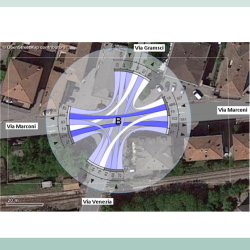
- Application of a microsimulation model to evaluate different hypotheses for the reconfiguration of some road junctions in the municipality of Sorbolo The transport study considers different design alternatives to resolve critical issues concerning the Provincial road 62R in Sorbolo Mezzani, a small municipality in the Province of Parma. The transport study was conducted through the construction and application of a traffic microsimulation model using PTV Vissim software. The aim of the project was to evaluate, in transport terms, the different hypotheses for the reconfiguration of the nodes in the small municipality. The simulations were carried out wit respect to both morning and evening pick hours. The following activities were carried out: Acquisition of demand data and realization of traffic surveys in the concerned intersections; Construction and calibration of a microsimulation model of the current status; Implementation and modelling analysis of design alternatives and evaluation of transport impacts (in terms of average and maximum queue lengths, delay in crossing the node and LoS – Level of Service) identification of the optimal design configuration.
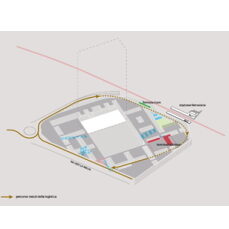
- Design competition for the new business centre of the Sicilian Region In 2019, the Regional Sicilian Government launched a public contest for the design of its new headquarter with the idea of centralizing its different administrative functions and investee companies that are currently distributed in different locations throughout the city. The aim of the intervention is to create a hub that would reduce functional difficulties and ensure greater efficiency in the services provided to citizens and municipal administrations. This would also help cutting unnecessary trips and considerably reduce impacts in traffic and pollution. TRT Ingegneria participated to the contest with the role of mobility expert, together with a wider consortium composed by MJW Structures (Italy), MATE Engineering (Italy) and led by Xaveer De Geyter Architects (Belgium). TRT Ingegneria had the role of organising the public and private mobility system by defining the circulation scheme, the parking system, and the intramodality with the “Ugo La Malfa” railway station of the Palermo bypass. The proposal ranked among the top five over 30 participants during the first phase of the public contest, thus gaining access to the second phase of the competition.
- Impact assessment for the revision of regulation (eu) n° 1315/2013 on union guide-lines for the development of the trans-european transport network The European Union with the Green Deal (proposal EC COM(2019) 640 final) has agreed to implement the Paris Climate Agreement leading the EU towards climate neutrality in 2050. In a more detailed communication in 2020 the European Commission proposed to step-up the climate policy ambition for 2030 and reduce GHG emissions of the EU by 55% compared to 1990 (EC COM(2020) 562). For the transport sector the EC published a new smart and sustainable mobility strategy in December 2020 (EC COM(2020) 789) presenting the strategic policy framework that would deliver the GHG reductions required by the transport sector for 2030 and until 2050. As part of this highly dynamic policy framework the EC has foreseen the revision of several existing transport regulations. The revision of the TEN-T guidelines is one of the major transport related policies besides the revision of the Alternative Fuels Infrastructure and the Intelligent Transport System directives and the planned revision of the Rail Freight Corridors regulation. This study carries out the analysis accompanying the impact assessment for the revision of Regulation (EU) N° 1315/2013 on Union Guidelines for the development of the trans-European transport network. Supported by two European scale modelling tools ASTRA and TRUST, the study provides the assessment of three alternative policy options in terms of their transport, economic, social and environmental impacts and identifies the most promising one. The report is available on the website of the “Publications Office of the European Union” at this link.
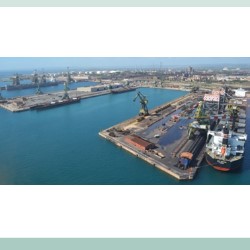
- Analysis of docks’ capacity in concession to Arcelor Mittal Spa in the port of Taranto TRT has been contracted to carry out an assessment of the actual capacity of the docks taking into account the current production level of the steel plant. The need for the analysis was expressed by the AdSP Management Committee in agreement with the local authorities. Due to the significant reduction that affected the plant’s production capacity in recent years with the main consequence of the inevitable decline in port traffic, the analysis was conducted with the main objective of responding to the need for rationalization and efficiency of the logistics and port infrastructure organization. During the study, statistical data and potential future scenarios for the relaunch of the plant were considered, highlighting the existing oversizing of the docks intended for raw materials and products handling, with respect to the actual operational needs. At the end of the analysis, strategies to promote the efficient use of the docks and the functional and environmental progress of the freight handling have been included. The need for solutions with reduced environmental impact, in line with the requirements and expected performance, was also stressed.
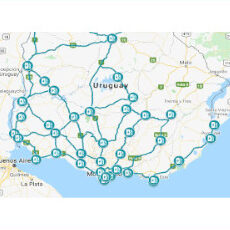
- Technical Assistance to Develop a Business Model to Finance and Scale-up E-Mobility in Uruguay Uruguay has an emerging electric vehicle sector, with good growth prospects and a strong policy agenda on fleet electrification. The country has committed to several mitigation measures in the transport sector, such as the introduction of electric vehicles in public transport, of utility electric vehicles and the installation of the first electrical route of Latin America connecting Colonia-Montevideo-Chui. The main objective of this project is to provide a policy and regulatory guide for a smooth transition to e-mobility in Uruguay and help the country to achieve an efficient and sustainable transport decarbonisation, through: Diagnosis of the current infrastructure and regulatory situation of e-mobility; Assessment of the several pilot projects already developed; Identification of desired business models and financing scheme for e-buses and private EVs; Propose a policy and regulatory guide to achieve overall e-mobility expansion targets in a time-line consistent with Uruguayan Nationally Determined Contributions (NDCs) to the Paris Agreement objectives; Propose a consistent and sustainable body of fiscal incentives and subsidies to favour and promote the previous e-mobility targets. The project is carried out by an international consortium led by MRC Consultants and Transaction Advisers (ES) and composed by TRT (IT) and SEG Ingeniería (UY). TRT is specifically involved in the project component related to private e-mobility, as well as in the fiscal impact assessment to proposed measures and policies. The project will provide a set of outputs including: E-bus financing alternative sschemes with estimated cost impact, timeframe, and impact on rolling stock; Assessment of long-term fiscal impact and ways to ensure efficiency and sustainability of alternative schemes; Regulatory and fiscal incentive schemes to sustainably increase use of private e-vehicles; Long-term fiscal impact analysis of incentives and tax revenues from foregone taxes, and elaborate recommendations; Two public workshops and related materials available for knowledge sharing.
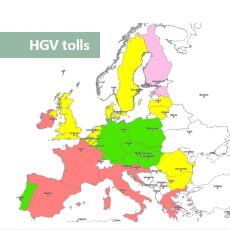
- Assessment of infrastructure costs calculation, tolls calculation and variation for heavy goods vehicles in Member States Directive 1999/62/EC and following amendments provide the legal framework for the application of toll charges to heavy vehicles in the EU, stipulating that road infrastructure charging shall be based on the recovery of infrastructure costs and of traffic-related externalities. Before implementing or amending tolling arrangements, Member States must provide the Commission with a detailed description of the new system. As contractor of the FWC, TRT verifies whether the tolling arrangement notified to the Commission fully respects the provisions of the Directive. The methodology applied for the assessment includes: determination of the scope of the tolling scheme notified by the Member State; identification of costs eligible to be recovered through tolls; allocation of infrastructure costs across vehicles categories; calculation of the weighted average tolls and cost recovery rate. In its assessment reports, TRT provides sound and evidence‐based analyses of the methodology used for infrastructure costs calculation, assessment of compliancy with the Directive’s core principles, as well as recommendations for possible modifications and improvements. Thus far TRT has assessed nine cases, including tolling arrangements from Italy, Spain, France, Bulgaria, Poland and Hungary.
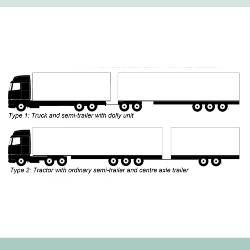
- Study on the implementation of the amendments to Directive 96/53/EC amended by Directive 719/2015 (implementation of vehicle weight and dimension Directive) Directive 96/53/EC regulates the maximum authorised dimensions in national and international traffic and the maximum authorised weights in international traffic, both of passenger and freight vehicles. The evolving market, technological development and new international emission targets has required a review od the Directive in 2015 by Directive (EU) 719/2015. The amendments introduced concern: the installation of retractable or foldable aerodynamic devices to the rear of the vehicles; alternatively fueled vehicles to increase the maximum weight; the use of aerodynamic cabs with safer profiles; the increase in weight for passenger buses; the carriage of 45-feet containers and 45-feet swap bodies as part of intermodal transport operations. The objective of this study is to provide input to the Commission report, on the implementation of the amendments to Directive (EU) 2015/719 taking into account the specific characteristics of certain market segments. Five segments has been investigated by TRT in partnership with COWI: Hight Capacity Vehicles (HCV); Car carrier vehicles; Vehicles with equipment (crane, lift etc.); Vehicle for the transport of indivisible loads; Transport of military equipment.
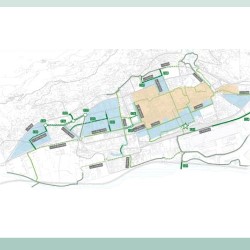
- Update of the General Urban Traffic Plan (PGTU) of Aosta The study concerned the update of the Aosta General Urban Traffic Plan (PGTU) already prepared by TRT Trasporti e Territorio about 10 years ago as part of the Metis Consortium. The city of Aosta (about 35,000 inhabitants) concentrates one fourth of the Aosta Valley regional population and plays an important role in regional mobility thanks to its services and economic activities. The activity was launched in November 2019 and it consisted of the following activities: the update of the key mobility factors – demographic and socio-economic structure, transport networks and services supply, mobility demand, environmental and social impacts; the analysis of the on-going planning tools, including an assessment of the state of implementation of the measures included in the previous PGTU (2011); the identification of the urban mobility system’s strengths and weaknesses in order to define the set of strategies and interventions to be included in the new PGTU; the design of the Reference and the Planning scenarios with measures related to: road network and its regulation, public transport system, cycling network, parking system, mobility management, electric mobility, urban logistics and ITS systems; the definition of detailed interventions for specific locations – the Arch of Augustus area, the new university complex area, the railway station area – both from urban planning and from mobility system points of view. The PGTU was approved by the Municipality Council on February 23rd, 2022, with official act no. 23.
- Technical support in the drafting of the Territorial Plan of the Province of Piacenza (Piano Territoriale di Area Vasta) TRT has been commissioned by the Province of Piacenza to provide technical support in the drafting of the Territorial Plan of the Province (PTAV) in line with the new Regional Planning Law No. 24/2017. Project activities included the definition and evaluation of alternative mobility and transport scenarios within the time frame of the Territorial Plan of Piacenza Province. In this context, the main tasks concerned: the update of the knowledge framework of the mobility and transport system in the Province of Piacenza; the development of a reference scenario and two alternative evolving scenarios. The first, tendential, includes interventions planned and not implemented by the current Territorial Plan (PTCP). The second scenario is based on a selection of interventions and measures that respond to the ASI (Avoid, Shift, Improve) strategy, including measures to manage mobility demand and in favour of alternative modes to motorized private vehicles; the evaluation of alternative scenarios, both from a transport and environmental perspective, was also carried out with the support of the traffic simulation model at the 2032 horizon; the provision of technical support to the Public Administration in the interaction with the stakeholders; the providing of technical contribution in the drafting of intermediate and final reports. The final document includes four preliminary modelling tests to identify the best route alternative for the so-called “median road“ of the province.. A further test concerned the complex interconnection system between motorways A21, A1 and State Road SS9. The intervention includes: a new connection between the Rottofreno tollgate on the A21 and the Basso Lodigiano tollgate on the A1, the downgrading of the Piacenza section of the A21, a new bridge over the Po river as a variant to the SS9. The evaluation of these alternatives included transport, environmental and territorial aspects, also thanks to the support of Politecnica. For more information visit the official website – Only available in italian