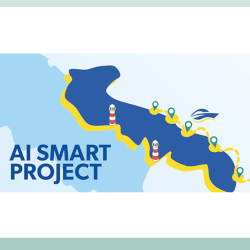
- Poggiardo AI SMART: Identification and characterisation of cycle tourism routes in the Idruntine hinterland AISmart (Adriatic Ionian Small Port Network) is a strategic project of the Interreg Italy-Greece Programme, coordinated by the Apulia Region, which aims at the implementation and development of a common port network in the Adriatic-Ionian area based on the concept of “smart, green and integrated port” and which has among its objectives the enhancement of the natural and landscape resources of the hinterland. The Municipality of Poggiardo, leader of a grouping of 18 municipalities in the idruntina area that participating in the project, has entrusted TRT with the identification and the characterisation of cycling routes for the fruition of the inner territory and the coastline. The activities conducted have concerned: The network and itineraries identified have been described through maps and GPX tracks as well as by “travel stories” and videos for inclusion in the AI Smart platform.
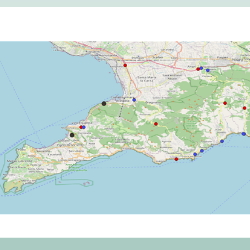
- Road transport network and high speed railway station Vesuvio Est analysis ACaMIR (the Campania Region Agency for Mobility, Infrastructure and Networks) has entrusted the ‘Transport studies related to the accessibility of the Sorrento and Amalfi peninsula starting from the terrestrial transport networks, with particular attention to the Vesuvio est exchange node“ contract to the consortium led by TRTIngegneria srl and composed by Tecnosistem spa and Eng. Antonio Masturzo. The study activities are divided into two lots: • Lot 1A related to the analysis and proposal for the improvement of accessibility to the area of the Amalfi and Sorrento coast, • Lot 1B related to the estimation of the potential demand for access to the Sarnese-Nocerina area also through the construction of a new High Speed rail station in the Striano area. In the transport analysis, conducted as part of Lot 1A, different alternative routes to the current SS145 Sorrentina road were identified in order to reduce the pressure on the heavy trafficked road, that has sections of reduced capacity and with large parts crossing urbanized territory. The results of the model simulations of the various infrastructural scenarios tested and the quantification of the implementation costs were used for the drafting of the cost-benefit analysis and the qualitative and quantitative risk analysis. For Lot 1B, a multimodal simulation model was applied to verify, in light of the introduction of the new High Speed rail Striano station and the reorganization of public transport lines feeding the new intermodal node, the demand potentially attracted by the new structure of the area’s mobility. For the analysis of the area long-distance potential demand, big data from mobile phones were used to identify the movements of origin and destination that currently already use the long-distance railway network to access the railway stations of Naples and Salerno.
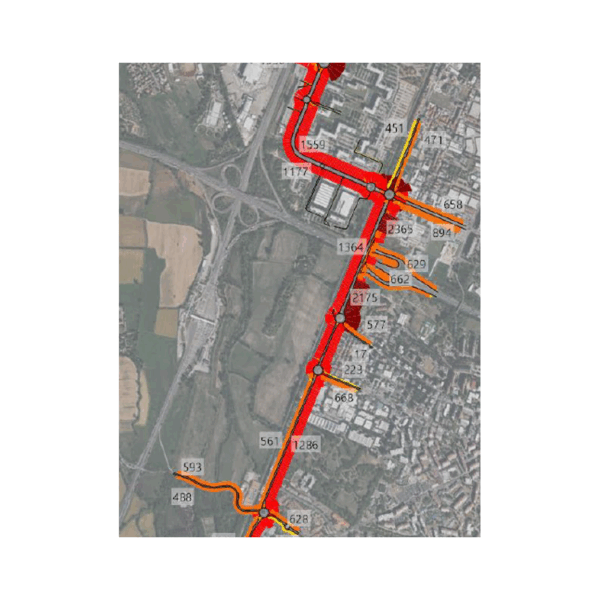
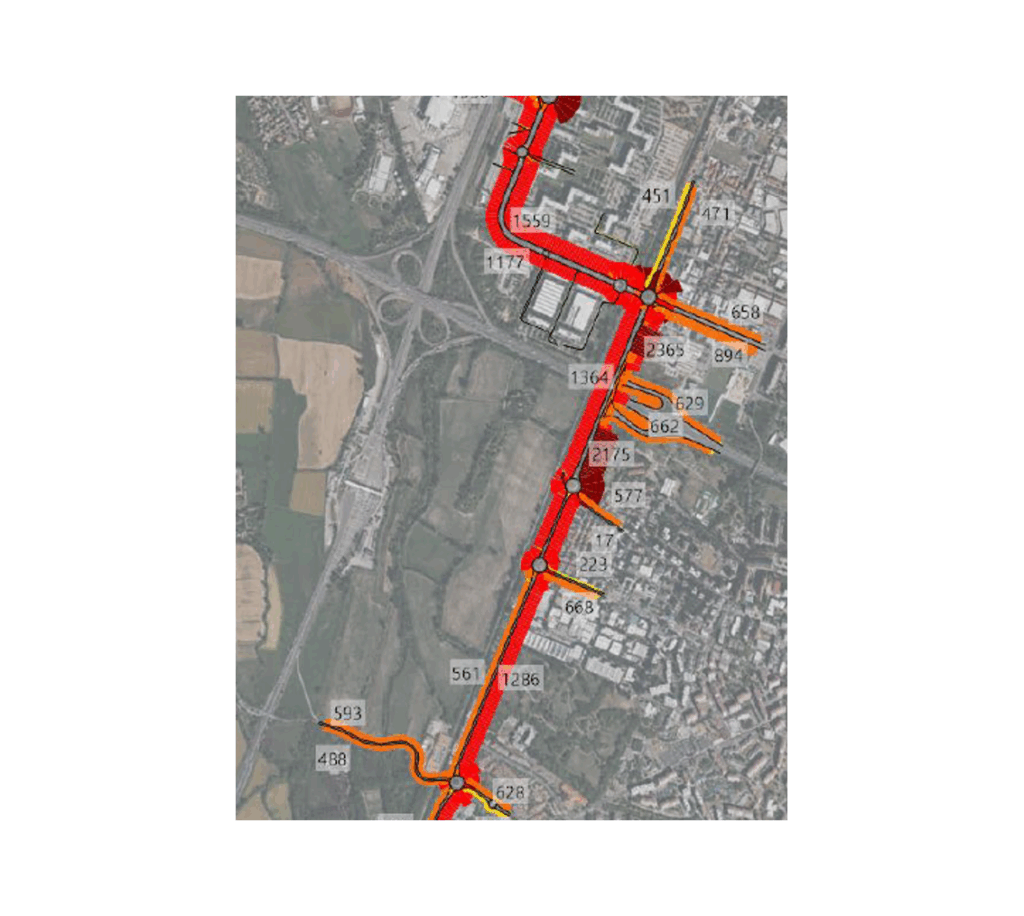
- Preliminary Mobility Study: PA1 and AT1 Development areas TRT supported the identification of transport and infrastructure solutions required to ensure the sustainable development of the PA1 – North Development Area and AT1 – South Development Area in the Municipality of Rozzano (MI). The study assessed the impacts of the planned urban developments on both the road network and public transport system, identifying the most effective measures to maintain adequate accessibility and operational performance. TRT’s activities included: • analysing the existing transport supply, including the road network, public transport services, cycling infrastructure, and multimodal accessibility; • carrying out a comprehensive traffic survey campaign using radar equipment and video monitoring to collect traffic flows and turning-movement data at key intersections; • updating origin-destination matrices and calibrating a dynamic traffic microsimulation model developed using PTV Vissim software; • estimating the mobility demand generated by the new developments and testing alternative infrastructure scenarios; • evaluating public transport enhancement measures to support the future urban expansion areas. The analyses highlighted a transport network already operating close to capacity, with more than 29,000 vehicles per day on the SP35 corridor and approximately 9,000 vehicles during peak hours. The combined development of PA1 and AT1 is expected to generate more than 1,050 additional vehicles during peak periods, making targeted infrastructure upgrades necessary to preserve network performance. The simulations identified the construction of a grade-separated flyover connecting the SP35 corridor and Via Gran San Bernardo as the preferred solution, complemented by road network improvements and public transport enhancements. This scenario would reduce average delays by up to 60%, increase average travel speeds, and maintain satisfactory levels of service across the study area. Through extensive field surveys, advanced transport modelling, and scenario-based assessments, TRT provided the client with a comprehensive technical framework to support the development of the new urban districts, ensuring efficient, accessible, and sustainable mobility conditions over the long term.
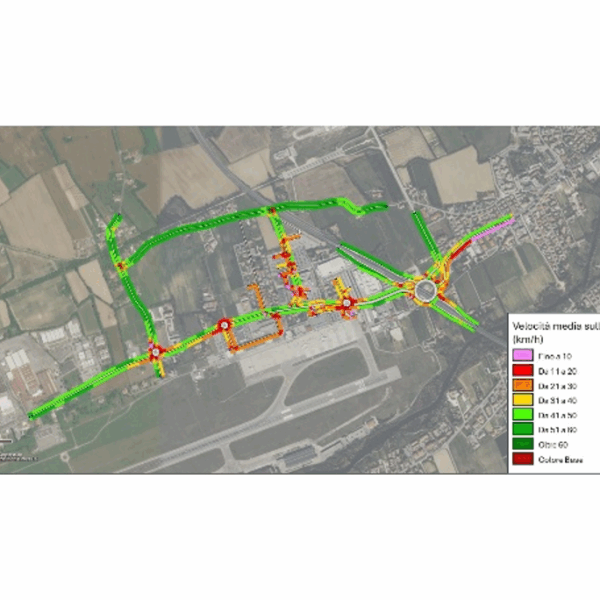
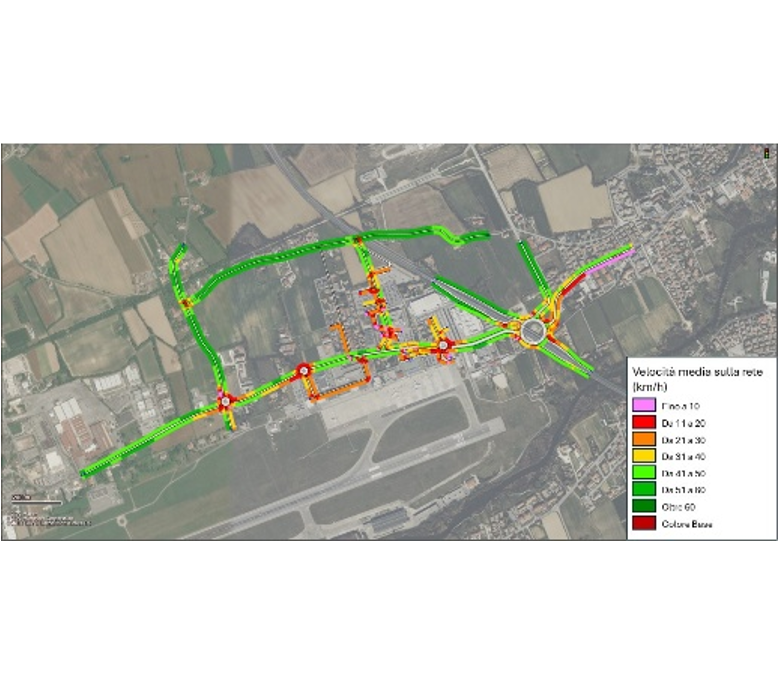
- Mobility Study for the 2040 Master Plan The project supported the development of the Treviso Antonio Canova Airport Masterplan 2040 through the assessment of the transport and traffic impacts associated with the airport’s future growth. The study examined airport accessibility, the performance of the surrounding road network, and the capacity of existing infrastructure to accommodate future mobility demand, identifying the most effective solutions to ensure safe and efficient operations. TRT’s activities included: • analysing the existing transport supply, including the road network, intersections, public transport services, parking facilities, and cycling connections; • carrying out an extensive mobility survey campaign through automatic traffic counts, intersection turning-movement surveys, and passenger mobility questionnaires; • reconstructing travel demand patterns and origin-destination matrices for the study area; • developing future scenarios related to airport traffic growth and the infrastructure measures proposed within the Masterplan; • designing and calibrating a dynamic traffic microsimulation model using PTV Vissim to assess the operational performance of future scenarios. The analyses highlighted the strategic role of the SR 515 Noalese corridor and the SR 53 ring road in providing access to the airport, enabling a detailed assessment of the impacts of alternative design solutions on traffic operations, intersection performance, and parking accessibility. The study also identified targeted recommendations to improve integration with public transport services, enhance cycling accessibility, and optimize airport access management. Through extensive field surveys, advanced transport modelling, and scenario-based assessments, TRT provided SAVE Group with robust technical support for the definition of the Masterplan 2040, contributing to the planning of a sustainable, efficient, and well-integrated airport development strategy.
- EIT Urban Mobility Impact Assessment The study on “Impact Assessment and Framework” was carried out in 2025 with the purpose of developing an Impact Assessment Framework that includes tools and methodologies to evaluate the impact of EIT Urban Mobility activities at three levels: (i) City and Regional, (ii) Project and Portfolio and (iii) Business Areas. The first part of the work consisted in the assessment of three relevant City Impact Indicators in different EIT UM key city partners. The tool provides detailed guidelines through dedicated templates for the calculation of three City Impacts Indicators: i. Road space reallocation to public space ii. City Club city inhabitants exposed to emissions in urban areas iii. Modal share of sustainable mobility. The second part included the assessment of the social, environmental and economic impacts of Innovation projects for the EIT Urban Mobility Business Plan 2023-2025. The main purpose is to develop a guided process for the fulfilment of the necessary evaluation steps for the evaluation of the projects. The Framework is composed by a Word document, which serves as a guidance, and a user-friendly online interactive tool to guide and support the preparation of a well-structured evaluation of innovative urban mobility projects. A total of 91 projects have been assessed, involving four different calls launched by EIT Urban Mobility (Main Call, SME Call, City RAPTOR Call and Targeted Call) during its 2023-2025 Business Plan. The Framework identified for each project different expected impacts and indicators, to measure the effectiveness of the solutions. The framework included: Lastly, the work enabled the implementation of a Monitoring, Evaluation and Learning (MEL) framework for the assessment of EIT UM’s organizational impacts across all core activity areas of their business areas.
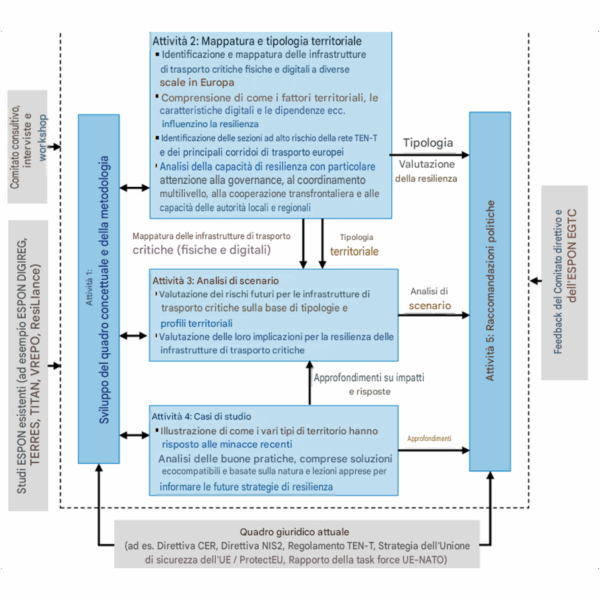
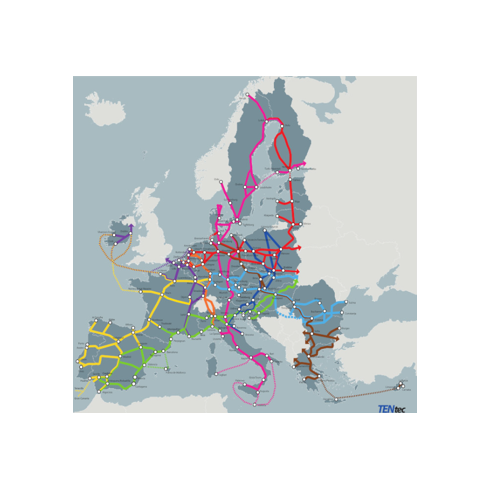
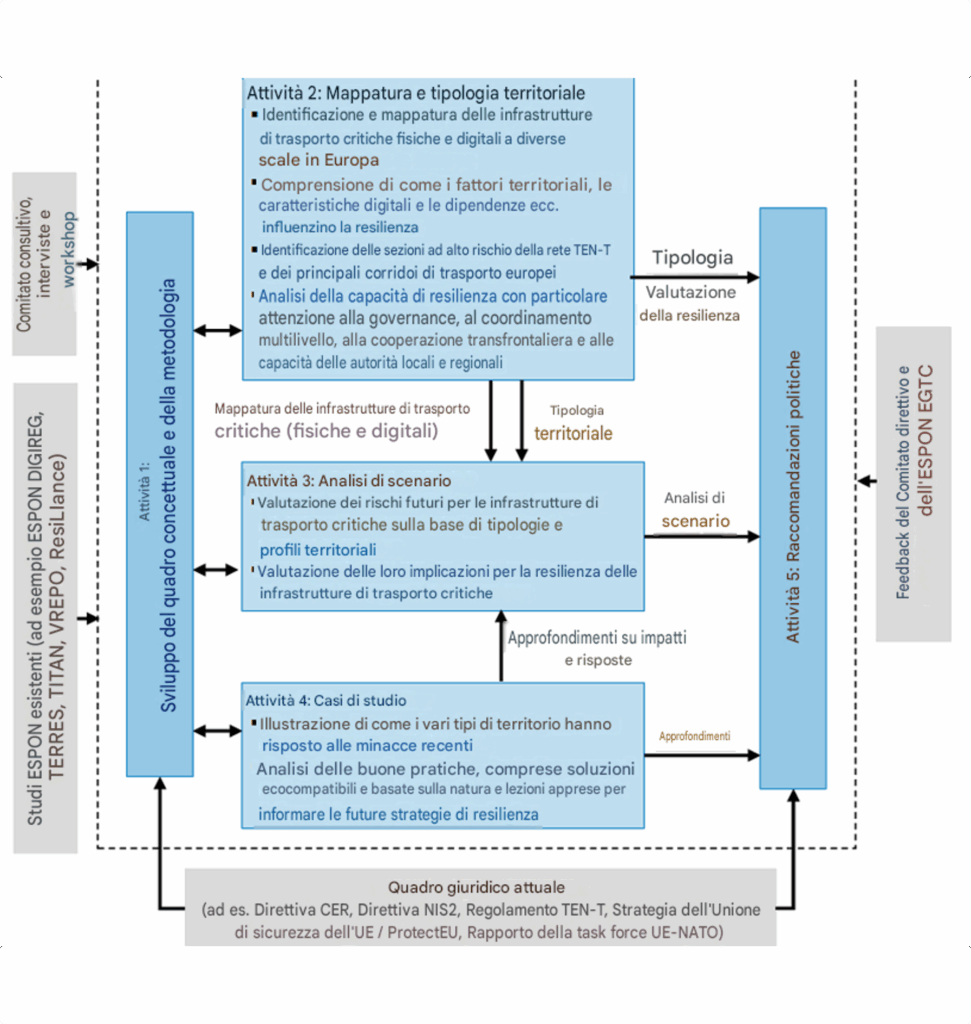
- Territorial outlook on the resilience of critical transport infrastructure across European regions (TRANSITOR) TRANSITOR is a 21-month project funded by European Regional Development Fund (ERDF) (2021/2027) under ESPON 2030 Programme. The objective of the project is to provide evidence-based guidance to policymakers at all geographical levels to enhance the security and resilience of Europe’s critical physical and digital transport infrastructure with a specific focus to consider territorial characteristics. TRT leads Task 2: Mapping & Territorial typology • Mapping physical and digital critical transport infrastructure – TENT elements, data centers, control and traffic management centers, etc. • Analysis of the relevant EU legislation (in particular Directive 2022/362 on the charging of vehicles and Directive 2019/520 on the European Electronic Toll Service); • Developing territorial typology at NUTS3 level – considering infrastructure function (hub, connector, gateway), spatial features (centrality/peripherality), exposure to threats/hazards (natural: floods, heatwaves, wildfires, sea-level rise; technological: cyberattacks, disinformation, and geopolitical) and institutional capacity and resilience • Classification of critical transport infrastructure – development of composite indicators • Deliverable – NUTS3 maps and dataset containing raw and composite indicators TRT will have contributing role in all other tasks, especially in Task 4: Case studies and Task 5: Policy recommendations.
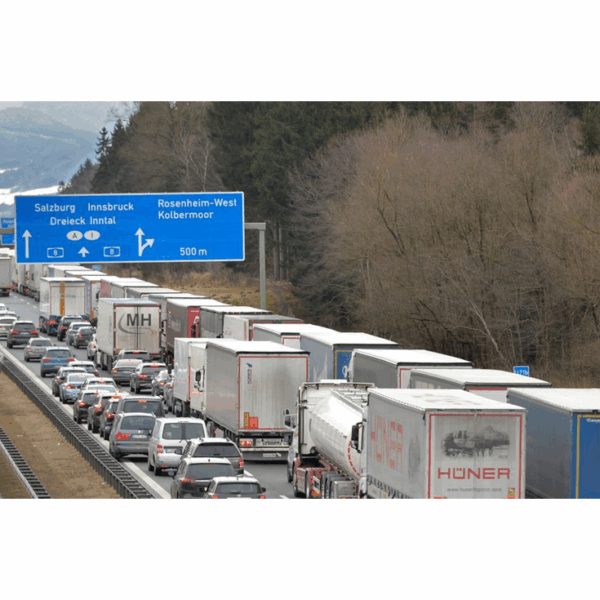
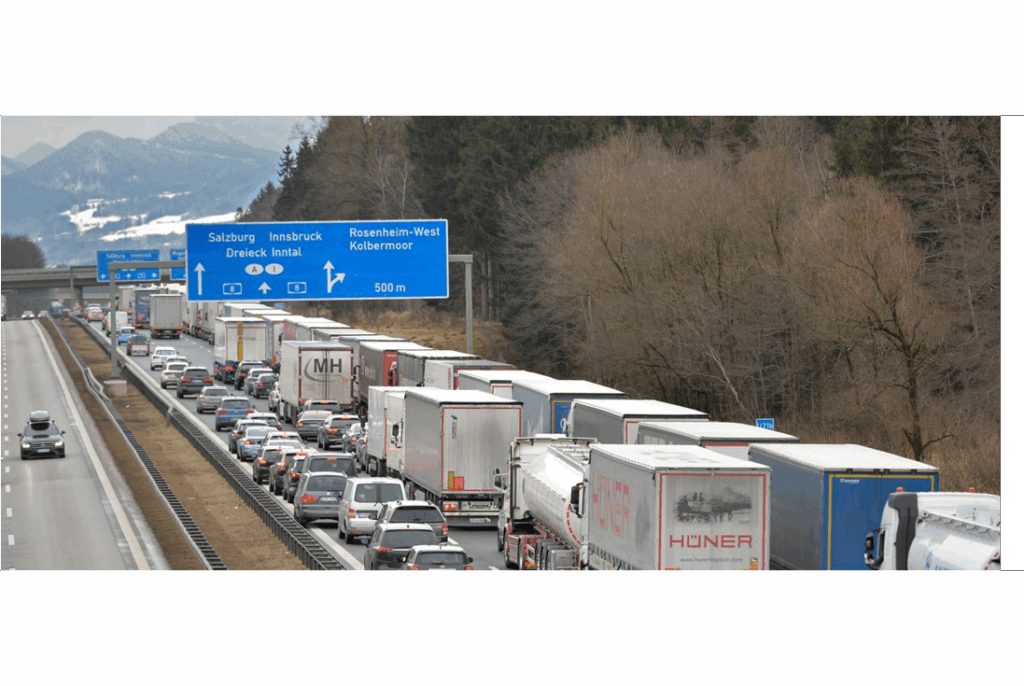
- Technical and legal feasibility study of a variable toll system along the Brenner axis TRT, in collaboration with M-five and supported by a legal team, has been commissioned by the Province of Bolzano to assess the legal and technical feasibility of a variable toll system on freight vehicles along the entire Brenner axis from Munich to Verona, or on individual motorway sections (A22, A13, A12, and A93 The project will carry out: • Analysis of the national legislation applied and applicable in the three countries concerned (AT, DE, IT); • Analysis of the relevant EU legislation (in particular Directive 2022/362 on the charging of vehicles and Directive 2019/520 on the European Electronic Toll Service); • Analysis of the current application by the responsible Authorities in the three countries concerned (AT, DE, IT), any implementation gaps within the scope of the study, and alignment hypotheses; • Analysis of potential legislative obstacles to the application, within the three countries concerned, of a variable toll based on traffic conditions and environmental criteria, alongside a potential digital traffic management system; hypotheses for overcoming obstacles, if any; • Analysis of the various toll technologies currently available to motorway operators in order to identify any necessary technical adjustments or infrastructure required for the introduction of variable tolls according to different possible scenarios; • Conducting interviews with operators and trade associations to estimate the elasticity of demand to tariff changes; • Analysis of the expected impacts resulting from the change in use of the motorway infrastructure during the day or year.
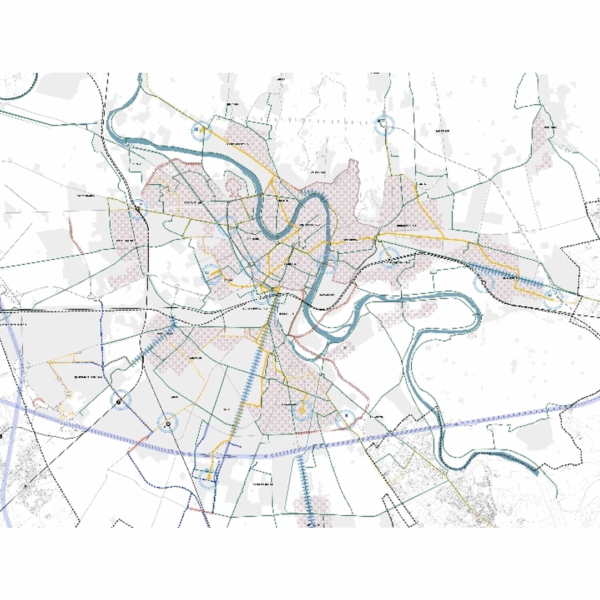
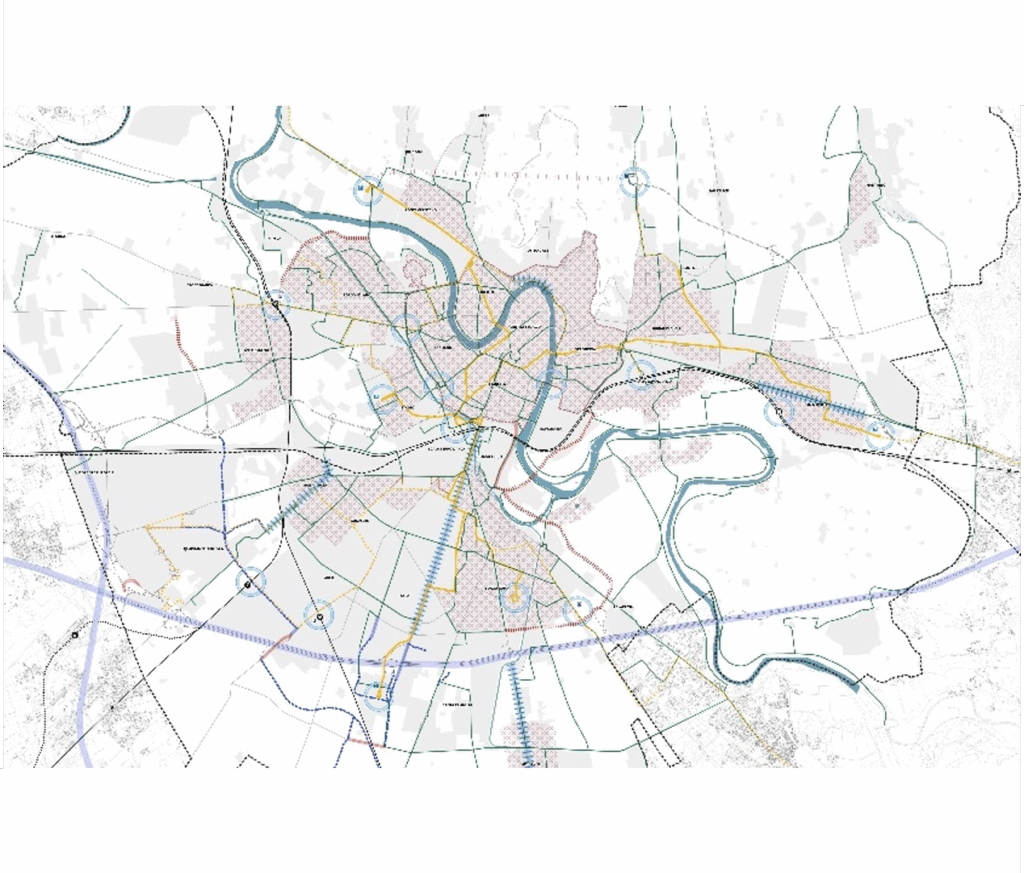
- Drafting of a strategic Masterplan for the City of Verona: transportation aspects and specialized consultancy in the drafting activities of the new Territorial Plan TRT Trasporti e Territorio was appointed by the Municipality of Verona to support the preparation of the strategic Masterplan and project guidelines for the city’s mobility system. In addition to drafting the Masterplan, TRT provides methodological, specialist and operational support throughout the different phases of preparation and approval of the PAT, the Territorial Planning Plan. The specialist activities began with an initial knowledge-building phase, preparatory to the definition of the Masterplan and aimed at reconstructing the reference framework. This phase included an analysis of the current mobility and transport system in the study area, as well as a process of consultation and engagement with key stakeholders. Based on the analyses carried out, the strategic Masterplan for the City of Verona was developed through a comparative assessment of infrastructure interventions, aimed at defining their relevance, consistency with the plan objectives and implementation priority. This work led to the preparation of the specialist contribution on mobility and transport within the PAT, including the infrastructure framework map supporting the city’s urban development. The Preliminary PAT Document was adopted by the Municipal Executive Committee on 30 December 2024. The second phase of activities focused, on the one hand, on the technical assessment of selected road network solutions, developed as part of a multidisciplinary process with the other professionals involved in the PAT and supported by the use of a traffic simulation tool to analyse different road traffic scenarios. On the other hand, this phase included the preparation of specific integrated project masterplans for each quadrant or sensitive area of the city. The PAT, in its version ready for approval, has now been delivered to the Municipal Administration.
- External support study on the connectivity of major TEN-T airports by long-distance rail Connectivity of major TEN-T airports by long distance trains will bring the EU closer together, advancing the decarbonization of transportation, and enhancing competitiveness and business productivity by reduction in the travel time, increase in the catchment areas, reduction in greenhouse gas emissions and air pollution by providing a viable alternative to travel by air or road and bringing about a modal shift. The overall objective of the study is to provide the European Commission with a robust assessment of the situation of the major EU airports in terms of their connectivity to the TEN-T network by rail long-distance, incl. HSR. The measures needed to enhance the rail usage and the main obstacles will also be identified. Furthermore, the study will analyse the investment gaps and priorities to enable the Commission to draw relevant conclusions in the context of the upcoming MFF, with a focus on the most important actions in terms of effectiveness. The study should also serve as a reference document for national authorities, to inform their investment decisions (best practices). The study will focus on at least 32 European airports: • 20 airports above 12 million passengers averaged over the period 2021 until 2023, • 10 airports below 12 million passengers but recently revealing strong demand growth, • 2 or more newly planned airports (so far in Lisbon and Warsaw new airports have been identified).
- Study on the rationalisation and simplification of EU transport legislation, aiming to reduce administrative burdens and enhance sector competitiveness The project is carried out by a consortium led by Ricardo and including TRT Trasporti e Territorio, TIS – Transportes Inovação e Sistemas, ISL – Institut für Seeverkehrswirtschaft und Logistik, and TEPR – Transport and Environmental Policy Research. This partnership brings together extensive expertise in administrative burden analysis, regulatory simplification, and stakeholder engagement across all transport modes. The study provides the European Commission with a robust evidence base to identify and quantify measures for simplifying and reducing administrative burdens stemming from EU transport legislation. It covers all transport modes (road, rail, inland waterways, maritime, aviation) and follows Better Regulation and REFIT principles, with a strong focus on SMEs. TRT plays a key role in defining and selecting case studies that will illustrate real-life administrative burdens and opportunities for simplification. It also leads the analysis of legislation in the rail and inland waterways sectors, leveraging its expertise to identify critical issues and propose solutions. Furthermore, TRT supports the methodological work for cost quantification and the development of simplification measures, ensuring that recommendations are evidence-based and aligned with the Commission’s objectives.
- Boosting regional economic development in the Balkans with the “Giro di Ciro” Greenway “The “Giro di Ciro” was a transnational greenway project in the Western Balkans, commissioned by the World Bank to support governments in the region, with a specific focus on Bosnia and Herzegovina, in moving the project from concept towards implementation. It aimed to convert the historic Belgrade-to-Adriatic narrow-gauge railway, developed between the 1800s and 1900s, into a pedestrian and cycling greenway of more than 800 km across Serbia, Bosnia and Herzegovina, Croatia and Montenegro. The assignment focused on the Bosnian section and included the following activities: • Defining a shared transnational vision and narrative for the Giro di Ciro corridor, supported by a cost-benefit analysis and an assessment of its tourism and economic potential, later translated into a promotional brochure and communication materials; • Proposing a National Greenway Framework for the development, governance and management of a greenway network in Bosnia and Herzegovina, including the Giro di Ciro, discussed with key national institutions; • Preparing a Preliminary Study for a priority 150 km section in Bosnia and Herzegovina, based on an assessment of the former railway corridor and its territorial context; • Engaging institutional and local stakeholders and disseminating project results, including the organisation of a final high-level conference in Sarajevo. During the Sarajevo Cycling Forum, organised by TRT on 3 June as the final project event and hosted by UNESCO at the United Nations venue in Sarajevo, the Giro di Ciro route was approved for integration into the TEN-T EuroVelo network promoted by ECF as EuroVelo 21. This recognition confirmed the international relevance of the corridor and provided a basis for the future development. Through this work, TRT strengthened its expertise in transnational greenway planning, cycle tourism, stakeholder coordination and the reuse of disused railway corridors as active mobility infrastructure, developing approaches applicable to similar future projects.
- Shift2Sustain: Driving Behavioural Change in Mobility Towards Sustainability Shift2Sustain project started in November 2025, and brings together 17 partners, including 7 pilot cities. The purpose of the project is to promote the adoption of Mobility Management Plans (MMP) for public and private actors, by developing a guidance and testing mobility solutions in the pilot cities. The first objective of the project is the generation of a database of information on existing Mobility Management Plans (MMP) and Mobility Management Schemes (MMS). This work is needed to analyze the state-of-art in Europe and highlight which measures had positive outcomes and why. The analysis is carried out through a desk research and a stakeholder consultation for different countries. Furthermore, S2S aims to implement 7 pilot tests about MMP and MMM solutions in each city participating in the consortium: Oeiras (PT), Turin (IT), Gdansk (PL), Zagreb (HR), Izmir (TR), Sarajevo (BA) and Copenhagen (DK). These actions will be mapped with indicators and expected impacts calculated before and after the projects, to quantitatively and qualitatively assess the results of such pilots. Together with the pilots, it will be developed a digital toolkit composed of a digital serious game and a behavioral gamification app for community involvement. The app will be developed by an external startup, selected after a market consultation. The games are adaptable for the various location and measures implemented, facilitating, enhancing and tracking the implementation of MMM. Thanks to the analysis of the results, a guideline with the lessons learned and policy recommendations will be produced, with the aim to develop mobility training plans, focusing on MMP and MMM. The trainings will be launched through an online course called “Learn2Shift”, a program which provides practical and professional skills. Finally, the consortium will provide technical dissemination of the project contents through events and scientific publication, as well as through the engagement with relevant EU stakeholders. To learn more, please visit the project’s website
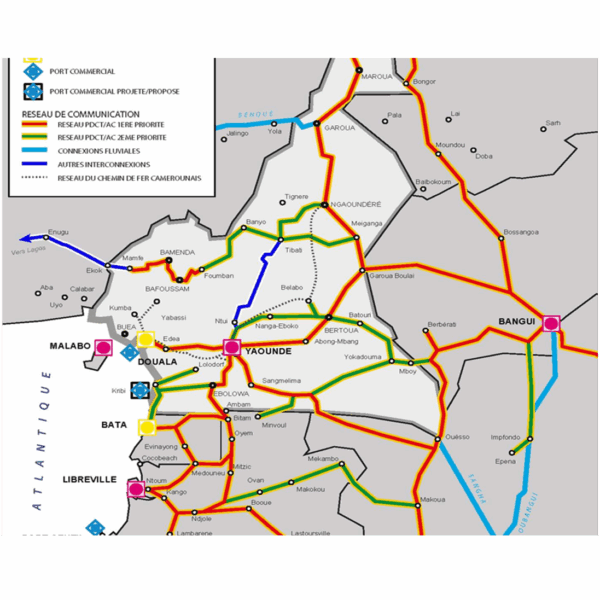
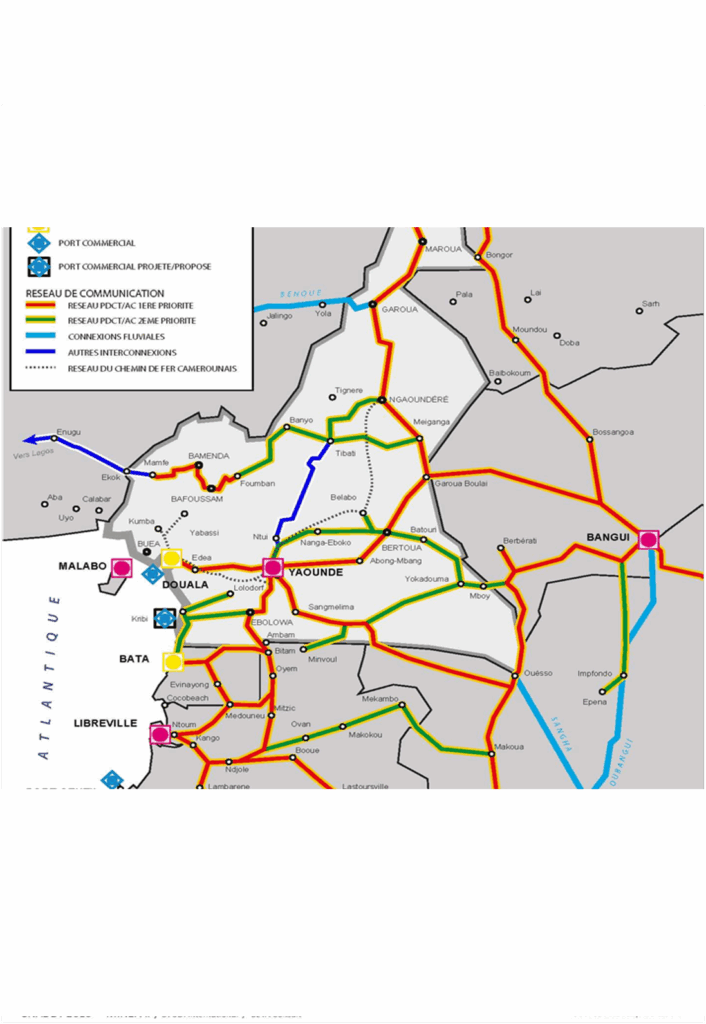
- Development of Cameroon’s National Logistics Strategy and Action Plan for the period 2025-2035 TRT Trasporti e Territorio, with its team of logistics experts, is involved in developing a national logistics strategy for Cameroon and an action plan for the years 2025 to 2035. The activity is divided into two main areas: •Activity 1: develop the strategy and action plan in line with various sectoral development strategies, such as urban mobility plans, regional development plans, river and intermodal transport strategies, etc.. •Activity 2: develop terms of reference for the main priority activities recommended by the national logistics strategy and carry out a feasibility study for the formation of a National Transport and Logistics Coordination Council (CNCTL) in Cameroon. Among the activities listed, TRT is specifically responsible and leader for assessing the infrastructure requirements and logistical services needed, as well as the measures to be taken to improve their performance.
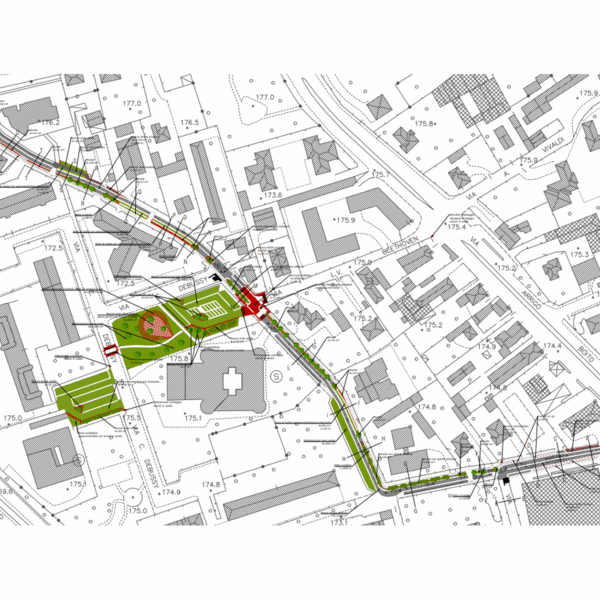
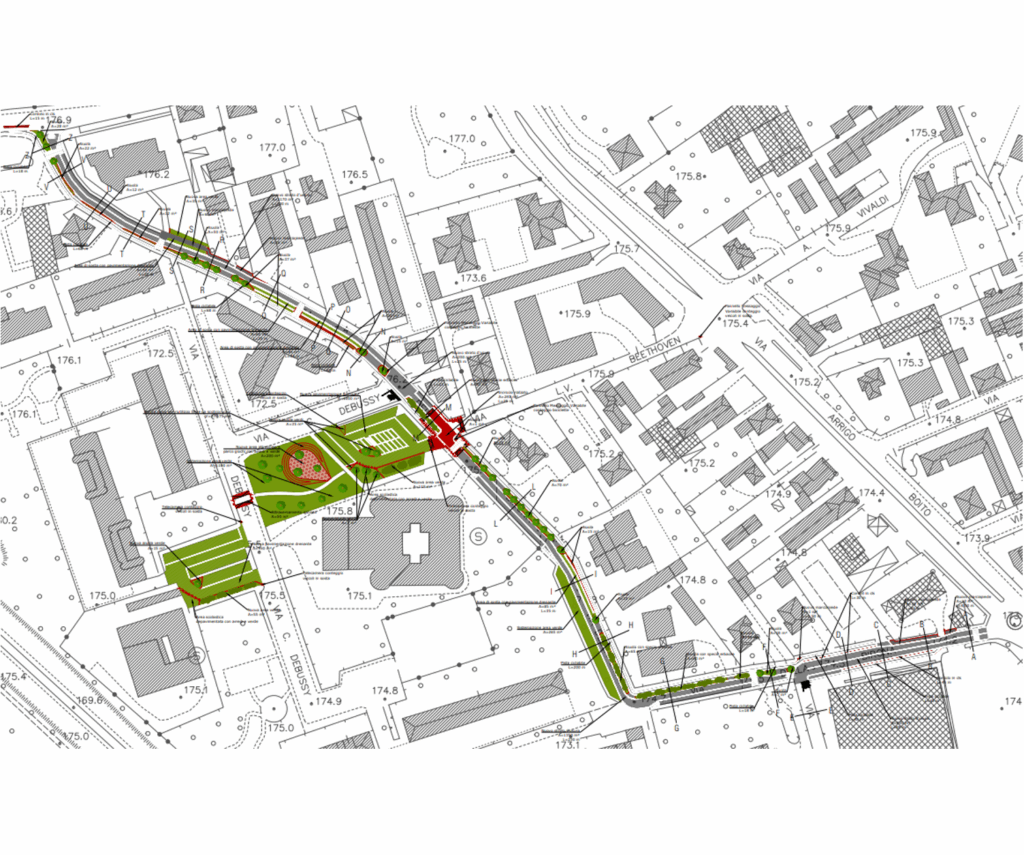
- Drafting of a Technical and Economic Feasibility Study (PFTE) for a cycle path along Via della Birona in Monza TRTIngegneria was commissioned by architect Andrea Nonni to assist in the preparation of project design documents for the Municipality of Monza’s participation in the Lombardy Region’s ‘Strade Verdi’ (Green Roads) tender. Specifically, the contribution is required for the drafting of the PFTE (Preliminary Technical Project) of a cycle path along Via della Birona in Monza, Italy and the related works for its inclusion in the areas in front of the entrance to the nursery and primary schools in Via Debussy. The project involved the construction of a one-way cycle path along the entire length of Via della Birona, divided into two sections (one one-way northbound in the southern part and one southbound in the northern part of Via Beethoven). The infrastructure integration work included: • the renovation of the car park along Via della Birona, with the use of draining paving and devices for groundwater filtration; • the implementation of speed reduction measures along Via della Birona and Via Debussy, through the construction of a speed bump at the intersection with Via Beethoven and a raised crossing on Via Debussy; • the construction of new paving for the parking areas in front of schools that allows rainwater to filter through, including a filter tank; • green spaces with plants capable of filtering atmospheric pollutants, accompanied by a playground, pedestrian areas serving schools to improve their accessibility, together with bicycle parking facilities (racks), benches and other street furniture.
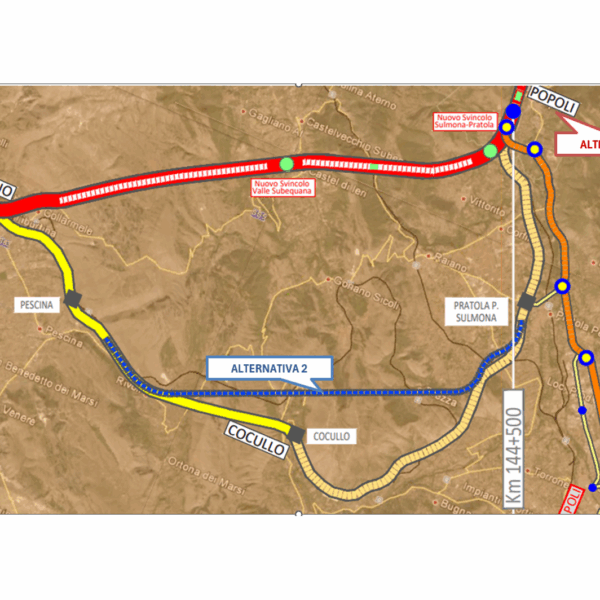
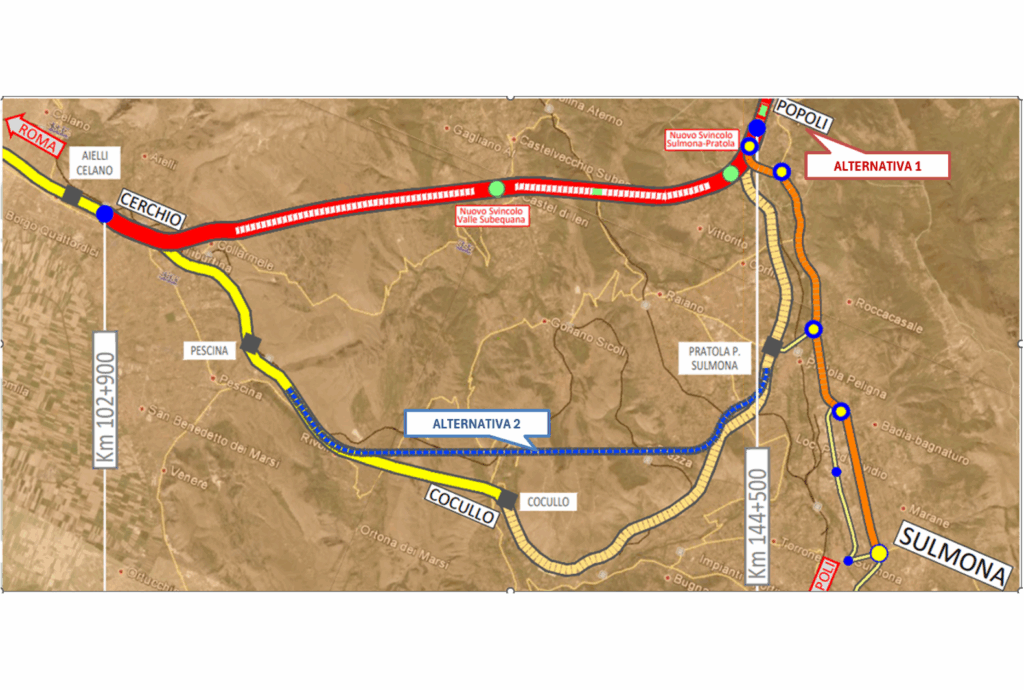
- Comparative analysis of costs and savings of two alternative routes As part of the feasibility study for the structural and functional upgrade of the A25 motorway, with particular attention to the section known as the “Cerchio-Popoli Variant,” TRT was tasked with preparing a comparative analysis of the costs and savings between two possible route alternatives. The currently operational highway section between Cerchio and Popoli presents significant infrastructure challenges related to both the age of the structures and the morphological conditions of the terrain it crosses. In this context, Strada dei Parchi S.p.A. and Italferr have submitted design modification proposals aimed at improving the safety, functionality, and sustainability of the infrastructure. Alternative 1 envisions the construction of three new tunnels, two viaducts, and new junctions, along with the demolition of the existing section between Cucullo, Pratola Peligna, and Sulmona. The new route would extend from the municipality of Cerchio to Popoli and would save approximately 17 km compared to the current situation. Alternative 2 envisions the construction of a new tunnel and the simultaneous demolition of the same existing section between Cucullo, Pratola Peligna, and Sulmona. This solution would save approximately 7.5 km compared to the current situation. For Alternatives 1 and 2, costs and savings were estimated over a 34-year timeframe, including the four years of construction of Alternative 1 (the first to enter into operation) and the 30 years of operation from its opening date. Based on the demand data provided by the traffic study (carried out by Plinomia Srl, and including accidents’ costs estimation as well), three growth scenarios were defined: Precautionary, Optimistic, and Pessimistic. For each scenario, the construction and maintenance costs of the works, the residual value taking into account the useful life of the various components, the time savings, the environmental benefits, and the accident costs of the two alternatives were compared.
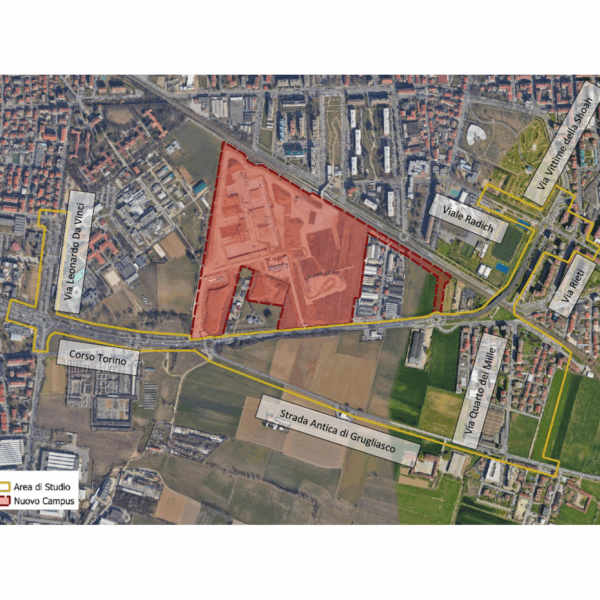
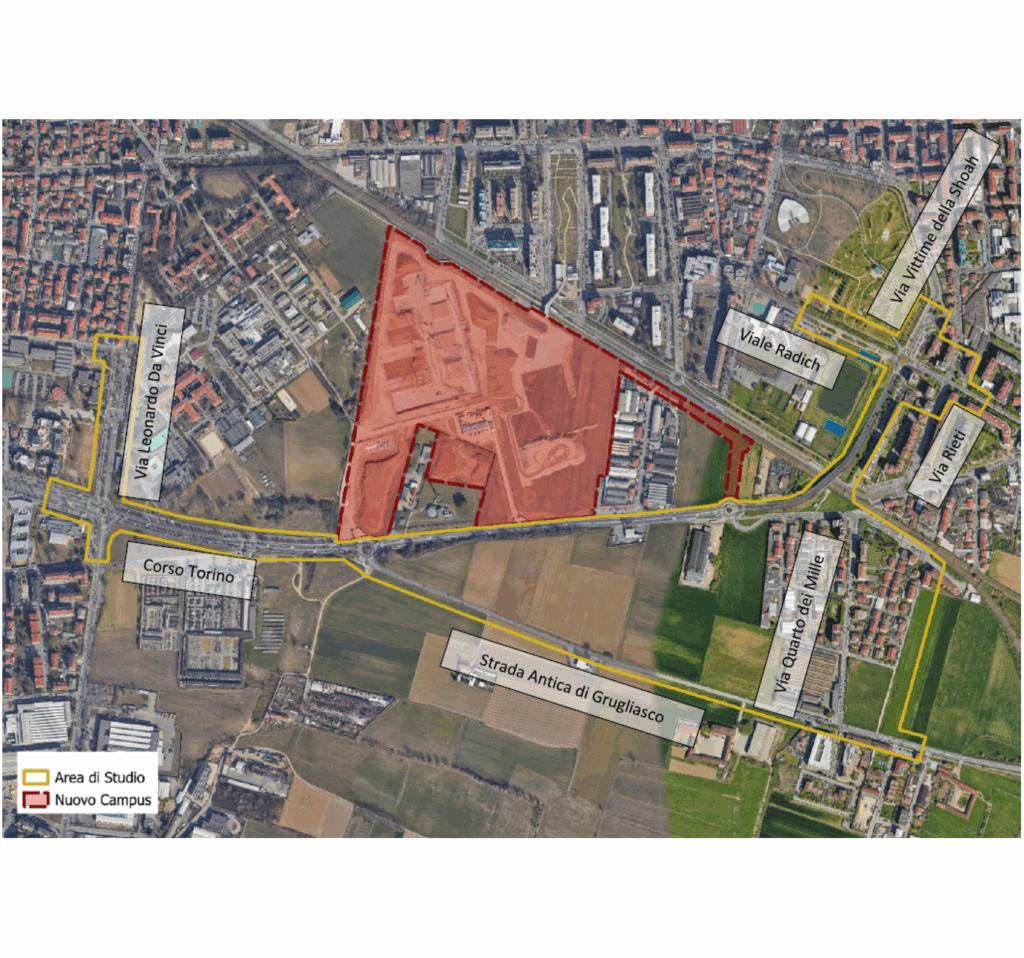
- Assessment of the impact on traffic of the opening of the new campus of the University of Turin, ‘Città delle Scienze e dell’Ambiente’ (City of Science and Environment), located in Grugliasco, Metropolitan City of Turin TRT was chosen by Zona Ovest di Torino srl to provide modelling support in defining the impact of the new campus of the University of Turin, ‘Città delle Scienze e dell’Ambiente’ (City of Science and Environment), in the municipality of Grugliasco. The new campus includes facilities for the Chemistry and Biology Departments, spaces for research, teaching and ancillary services for students, covering a total of approximately 90.000 m2 and is expected to double the university population (from the current 5,000 to approximately 10,000). The study begins with the VISUM model developed by TRT on behalf of Zona Ovest and the Municipality of Grugliasco as part of the support assignment for the evaluation of the PGTU, further refining its calibration through a traffic detection campaign. The macroscopic model was used for the municipal-scale assessment of the opening of the new campus, while the local impact assessment was carried out using a dynamic microscopic simulation model in the VISSIM environment. The study took into account various data sources, in addition to ad hoc surveys, of a demographic and statistical nature on the student population and university staff involved in the transfer (keeping teachers separate from researchers, research fellows, scholarship holders, technical and administrative staff, etc.) as well as information on the current travel habits of people who already gravitate towards Grugliasco (where the veterinary, agrovet, agricultural and “agrinnova” facilities are located), including modes of transport, weekly campus attendance, the number of years students are behind in their studies, and the location of their domicile or residence. The analyses carried out have made it possible to identify the configuration and adaptation measures for the road network that are most effective in mitigating the impact of the opening of the university campus.
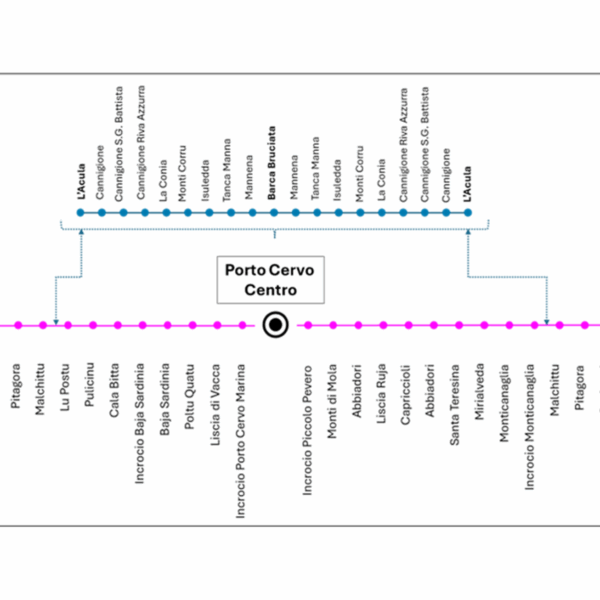
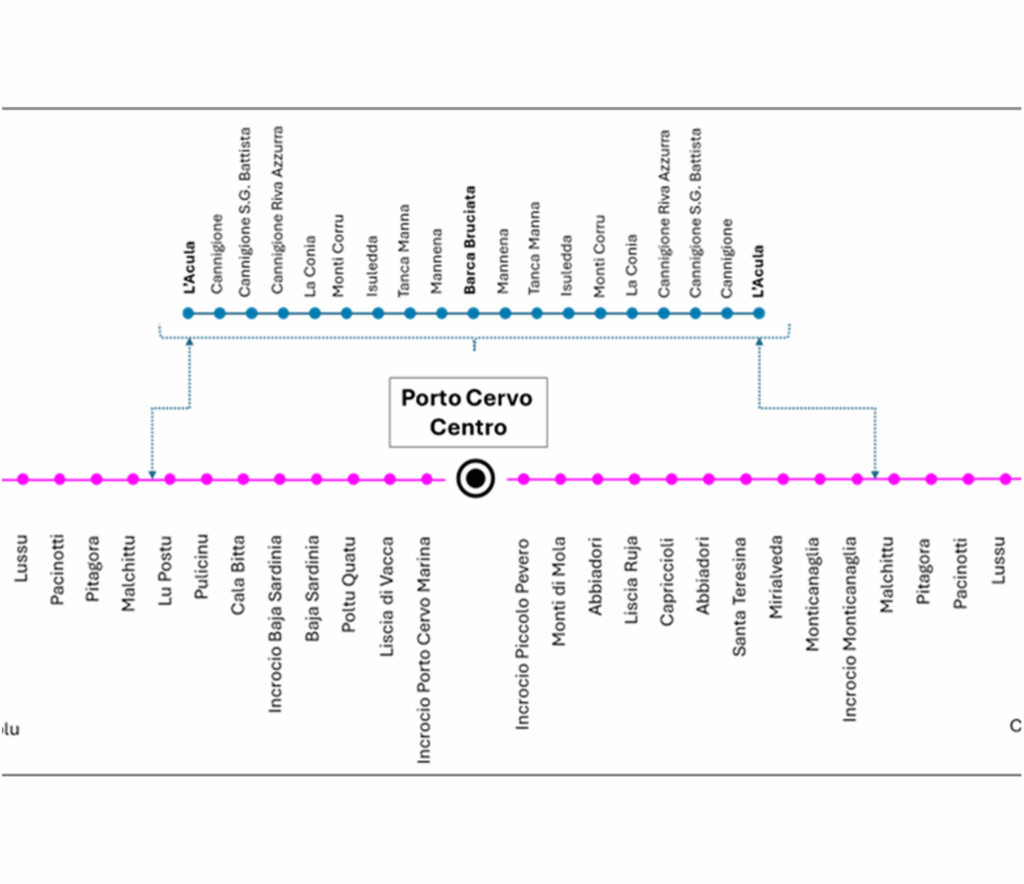
- Design and technical assistance for the award of the Local Public Transport service of the Municipality of Arzachena The Municipality of Arzachena entrusted TRT with the service of “Design and technical assistance for the award of the Local Public Transport service of the Municipality of Arzachena”. The assignment involves activities aimed at the design and assistance for the awarding of the Local Public Transport (LPT) service contract for the Municipality of Arzachena. The work is structured into three main phases: •Preliminary territorial and transport analysis, aimed at understanding the territorial dynamics and the characteristics of the existing service; •Planning and design of the public transport service, consisting of the definition of the characteristics of the proposed public transport service; •Technical assistance to the procedures for the selection and award of the service, consisting of technical support to the Municipality for the preparation of the tender documents and for all phases of the award procedure. The first phase of analysis aims to reconstruct the current framework of local mobility, considering the settlement, demographic and tourist characteristics of the municipal area, as well as analysing transport demand through specific investigations. The second phase is based on the results of the knowledge framework reconstruction to develop a new transport offer configuration, consistent with the mobility needs of the different user groups, both in summer (tourists) and winter (residents), distinguishing between annual service, seasonal summer service and any flexible services. The activities also include technical assistance to the Municipality of Arzachena in the preparation of the special tender specifications, the tender rules and the service contract scheme. To date, TRT has completed the preliminary territorial and transport analysis.
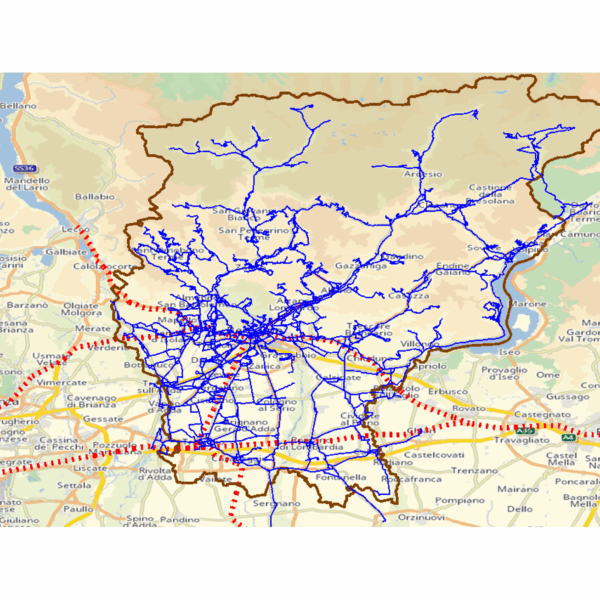
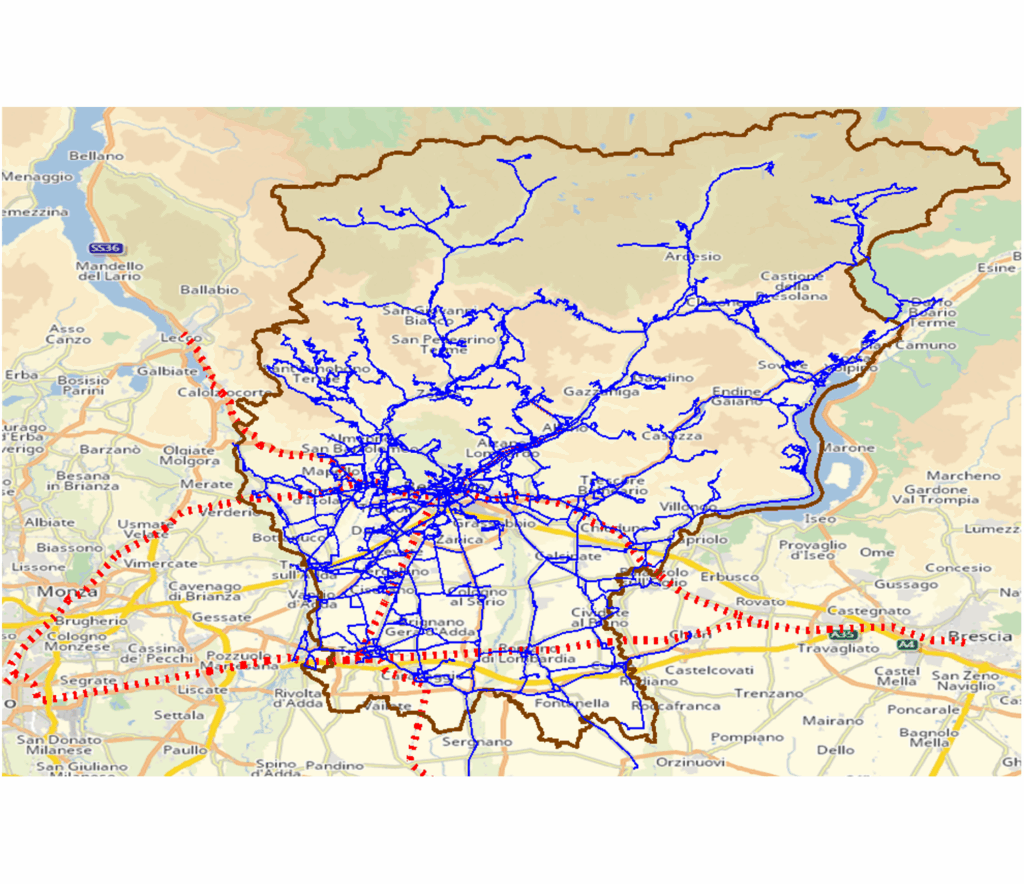
- Development of a transport model to analyse Bergamo students’ travel and analysis of Bergamo functional urban area TRT has been commissioned by the Bergamo Public Transport Agency to conduct two analyses supporting the redefinition of the province’s extra-urban public transport service: •The development of a traffic model with demand assignment for high school students •An analysis of the urban functions of Bergamo’s FUA (Functional Urban Area). The first task has been carried out using the VISUM software, applying an origin-destination matrix of the student population, for which both the municipality of origin and the school destination are known, as well as the GTFS (General Transit Feed Specification) files from various bus operators. To support this part, the information basis has been validated by cross-checking the GTFS timetables with the tabular schedules published by the operators, ensuring the correct reconstruction of service for a typical weekday in winter. Key service indicators were identified, such as bus-km for both the average day and peak-hour periods. Following demand assignment, additional indicators were calculated, including average travel time, boardings and alightings per stop, seat-km offered, and passenger-km or passengers per hour. A complementary analysis considered the comparison between regular weekday service and school-day weekday service. Different scenarios were developed and discussed with the client. The second activity covered by the contract involves drafting a technical-methodological report to assess whether the current delimitation of the capital city’s urban area is appropriate. Various methods and tools used or codified at national and international levels will be analyzed (e.g., the 2001 provincial resolution, the ISTAT methodology based on the OECD-Eurostat approach). For this purpose, origin-destination data from the Lombardy Region was used, along with ISTAT databases and regional and local Open Data. This information was collected in a GIS environment to identify different territorial areas.
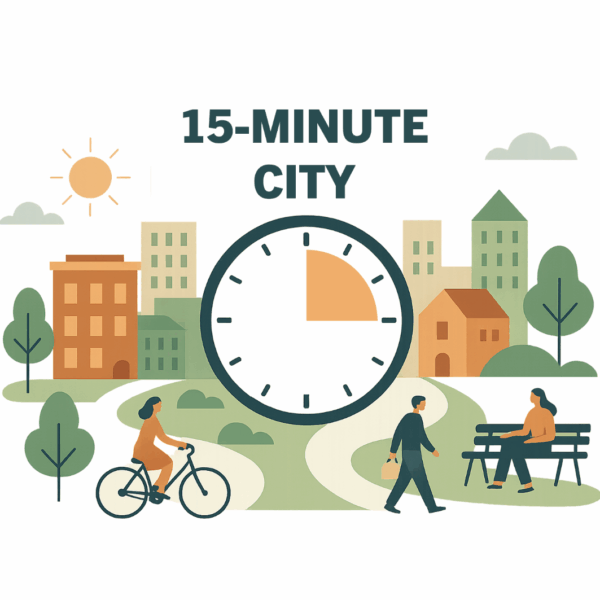
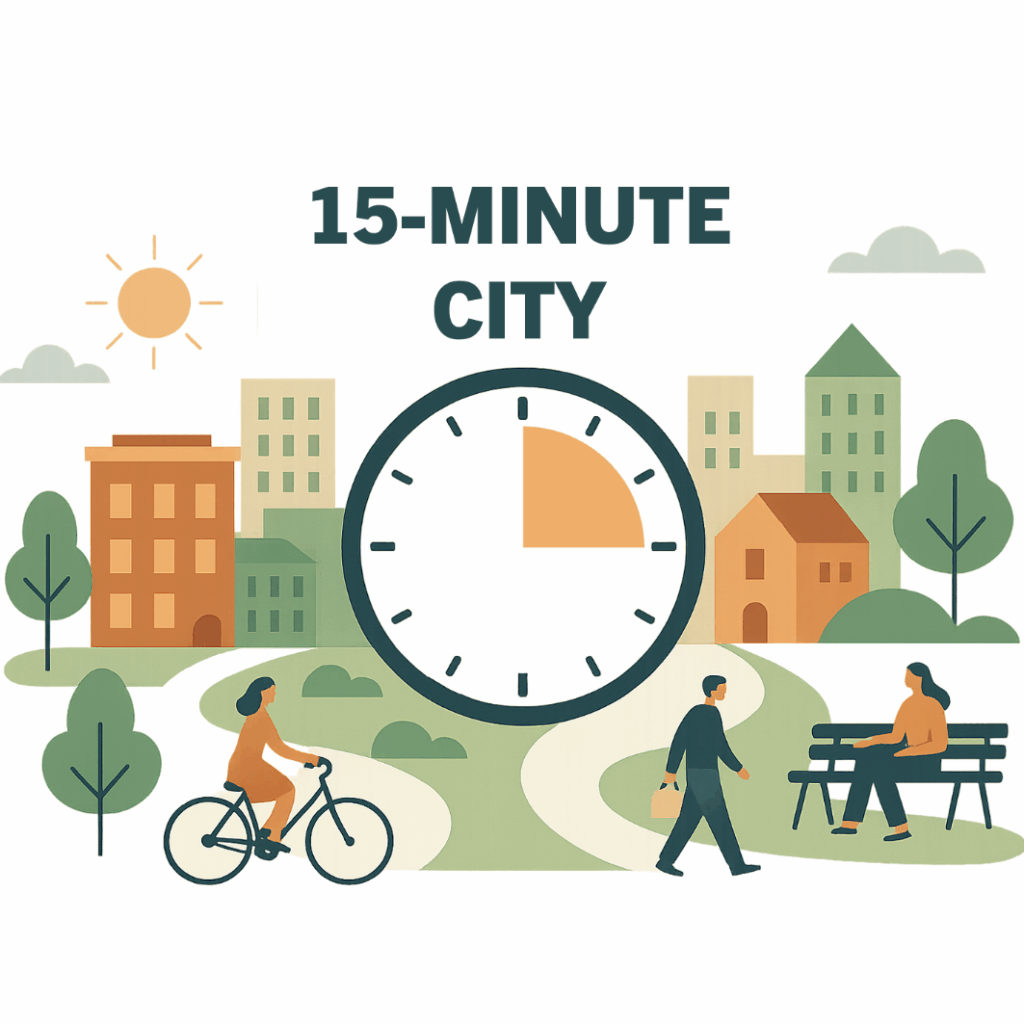
- UVAR4US – Using Urban Vehicle Access Regulations for Reshaping Urban Space The UVAR4US project, coordinated by RiSE (Research Institutes of Sweden) with TRT among its partners, is funded under the Driving Urban Transitions (DUT) partnership within the Horizon Europe programme. The project explores how Urban Vehicle Access Regulations (UVARs) can help create cleaner, more liveable, and people-friendly cities in line with the 15-minute city vision — where daily needs are within a short walk or cycle. UVAR4US studies how access regulations affect mobility, the use of public space, and car dependency. By breaking UVARs down into key “building blocks”, the project identifies how different approaches can be combined to fit local urban contexts and community preferences. An open knowledge base will share examples of existing UVARs and their impact on mobility and urban life. A participation framework will highlight how citizen involvement and transparent decision-making contribute to successful policies. These resources will feed into the UVAR4US Toolkit — a practical set of tools to help cities design and evaluate UVAR strategies that support the 15-minute City model. Four Living Lab cities, each preparing to implement new access regulations, will test and refine the project’s tools and methods in real-life conditions. Why it matters Cities across Europe struggle with congestion, air pollution, and limited public space. UVAR4US aims to show how smarter vehicle access management can reduce car dependency, encourage walking, cycling, and public transport, and improve overall urban quality of life. Participating countries Belgium, Germany, Greece, Italy, Spain, Sweden. Funded project partners Cluster Viooikonomias Kai Perivallontos Dytikis Makedonias, Helsingborgs kommun, Living Prospects Ypiresies Anaptyxis & Perivallontos Etaireia Periorismenis Efthynis, Rupprecht Consult-forschung & Beratung GmbH, TRT Trasporti E Territorio Srl, Universiteit Gent
- Municipality of Fermo, Sustainable Urban Mobility Plan Following a tender procedure, the Municipality of Fermo entrusted TRT, together with local experts, with drafting the Sustainable Urban Mobility Plan (PUMS) and the related Preliminary Environmental Report – Screening procedure for Strategic Environmental Assessment (SEA).The drafting of the PUMS is structured in three phases. The first phase is related to the definition of guidelines, including the knowledge framework of the mobility system and the SWOT analysis, leading to the formulation of objectives and strategies. The planning-programming framework was defined at regional, provincial, and local levels, along with the territorial and socio-economic context of the planning area, the supply of transport networks and services, mobility demand, and the social (accidents) and environmental impacts generated by the mobility system. The second phase includes the drafting of the preliminary PUMS report, which builds on the knowledge framework to identify planning scenarios and related actions. This document allows the initiation of the SEA screening procedure, providing the essential information to assess the environmental impact of the Plan. In parallel with the first and during the second phase, a participation process was developed involving local stakeholders: initially to identify the critical issues of the mobility system and later to critically review the system of actions forming the Plan’s scenario. The feedback received helped refine the definition of scenarios based on comments and suggestions. The third phase is the drafting of the final Plan document, which includes not only the contents of the second phase but also the results of the MOMOS model application, as well as cost estimates and target indicators.
- Diffusing sustainable mobility options and reducing car dependency in urban areas PolicyMix4Mobility aims to create an inter- and transdisciplinary understanding of policy mixes and their effects based on policy packages that promote sustainable mobility practices and reduce car use in urban areas. This work is informed by a novel conceptual framework, bridging qualitative (case studies), quantitative (modelling) and transdisciplinary (urban labs, forum) methodological approaches to assess existing policy mixes and develop prospective ones. The project involves four European cities of different sizes and diverse socio-spatial conditions and policy contexts, located in Cyprus, Denmark, Germany, and Italy. While they differ in terms of progress towards sustainable mobility, but they share the common ambition to reduce car dependency and promote climate-neutral, socially just urban mobility systems. The project will first develop a conceptual basis for a better understanding of policy mixes aimed at reducing car dependency as well as a monitoring and evaluation framework for assessing the direct and indirect effects of such policy mixes. These will inform the empirical analyses performed through case studies in the four cities and the organization of urban labs. The case studies will enable the collection, analysis, and assessment of qualitative and quantitative data about policy mixes to reduce car dependency and their effects on mobility transitions. To improve the understanding of the effects of mobility and transport policy measures with a strategic approach, the project will also apply the MOMOS assessment tool. The Urban labs will develop in each city tools and methods for institutional, procedural, and social innovations, and actions plans for policy mixes to encourage their development and implementation. A key outcome of the project will be the Mobility Policy Mix Toolbox – a strategic resource designed to support cities and policymakers in navigating the complex politics of mobility transitions.The Consortium is led by IOEW (Germany), including TRT and 6 other partners from Cyprus, Denmark, Germany, Italy. TRT contributes to the project as it comes to: Introduction to the project by the coordinator Dr. Florian Kern (Institute for Ecological Economic Research – IÖW)
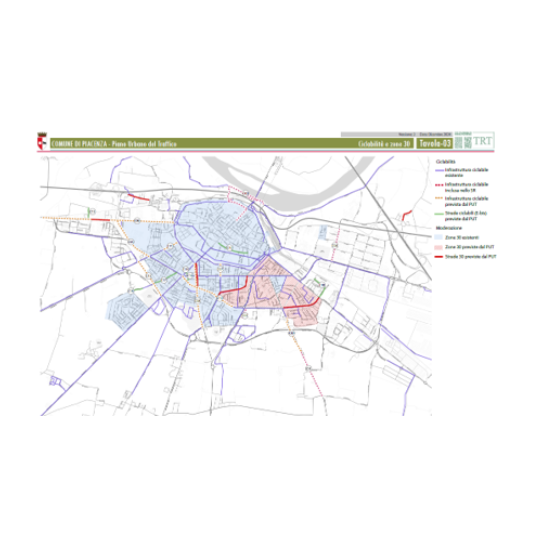
- Update of the Urban Traffic Plan (UTP) of the Municipality of Piacenza, a short-term (two-year) implementation tool of the Sustainable Urban Mobility Plan The Municipality of Piacenza has commissioned TRT to draft the monitoring report for the Sustainable Urban Mobility Plan (SUMP) (document submitted and registered on 10/08/2023) and to update the Urban Traffic Plan (UTP). The UTP is a short-term implementation plan (covering a two-year period) aimed at carrying out the interventions foreseen in the Short-Term Scenario of the SUMP. The development of Piacenza’s UTP follows the guidelines set out in the Ministerial Directives of 1995 and the most recent updates to the Italian Highway Code. The monitoring of the SUMP lays the foundation for selecting the interventions that define the scenarios of the UTP. In fact, the document reports on the updated state of urban mobility in Piacenza, assessing the progress and impacts of the actions taken since the approval of the SUMP in December 2020. Based on this evidence, the most consistent interventions with the SUMP’s short-term scenario (2–3 years) have been selected. This selection also considered existing planning tools, such as the 2024–2026 Three-Year Public Works Program, the Cycling Plan (approved on 17/04/2023), the Smart City Plan (October 2019), the Environmental Noise Action Plan, and other strategic documents. The UTP was developed in three main phases: With Municipal Resolution No. 23 of 11 February 2025, the Draft Plan was adopted. Following the 30-day period dedicated to public consultation, and the related replies/amendments, the Plan was definitely approved by the Municipal Council with Resolution No. 25 of 22/09/2025.
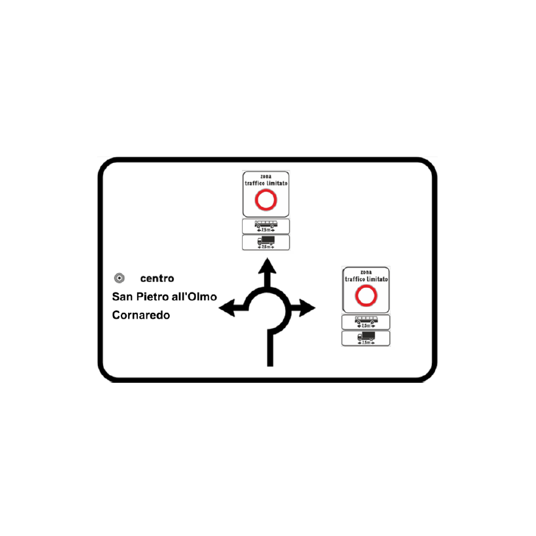
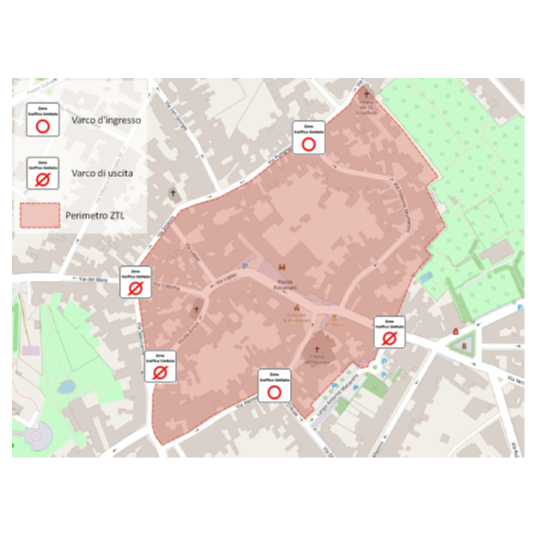
- Study to identify the perimeter of a Restricted Traffic Zone within the inhabited area of Cusago (Milan) TRT was commissioned to carry out a study aimed at identifying the correct perimeter of a Restricted Traffic Zone (ZTL) for commercial vehicle traffic to be placed within the inhabited area of Cusago, a municipality of the Metropolitan City of Milan. The implementation of the ZTL for heavy vehicles is intended to solve the problem of heavy vehicles crossing residential areas, where today a ban on access is in force, which is frequently not respected. The study included: Photographic overview of planned access points location
- Drafting of the Urban Plan of Sustainable Mobility of the Municipality of Monteroni di Lecce(LE) accompanied by verification of subjection to strategic environmental assessment (SEA) The Municipality of Monteroni di Lecce (LE) has entrusted TRT Trasporti e Territorio with the service of drafting the Sustainable Urban Mobility Plan (PUMS). The Plan is financed by the Apulia Region as part of the authority’s commitment to provide municipalities with strategic planning tools for the urban mobility and transport sector. TRT was chosen by the Administration in continuity with the recent work carried out for the elaboration of the General Urban Traffic Plan (PGTU), approved by the City Council in April 2024.Starting from the knowledge of the territory acquired thanks to the previous PGTU, TRT has drafted the PUMS, a Pano document of a strategic nature with a 10-year time horizon, which represents a medium-long term guide capable of orienting the Administration’s decisions in the field of mobility.The drafting of the PUMS developed through two phases. The first consisted in drafting the Plan’s Guidelines, containing the cognitive framework, the SWOT analysis and, consequently, the Plan’s objectives and strategies, including the description of indicators. The cognitive framework included the superordinate planning framework, the analysis of mobility demand, infrastructure and services endowment, the position of traffic attractors as well as information related to mobility impacts (pollutants, accidents, motorisation rate, etc.).The second phase included the identification of alternative Plan scenarios, monitoring, cost estimation, the results of the Plan Scenario assessment through the implementation of the strategic model MOMOS (MOdello per la MObilità Sostenibile) with the consequent extraction of transport, environmental, social and economic sustainability indicators. MOMOS was applied to assess, in an aggregate way, the impact of the mobility policies introduced, such as the expansion of the bicycle network, new public transport services, the ZTL, speed moderation, etc.. A screening report was also prepared to accompany the second phase, in order to evaluate the exclusion of the Plan from the SEA process by the competent authority. Monteroni SUMP was adopted with resolution n. 136 in the 8th on November 2024 by the Town Government Council and approved with resolution n. 6 in the 12th February 2025 by the Town Council.
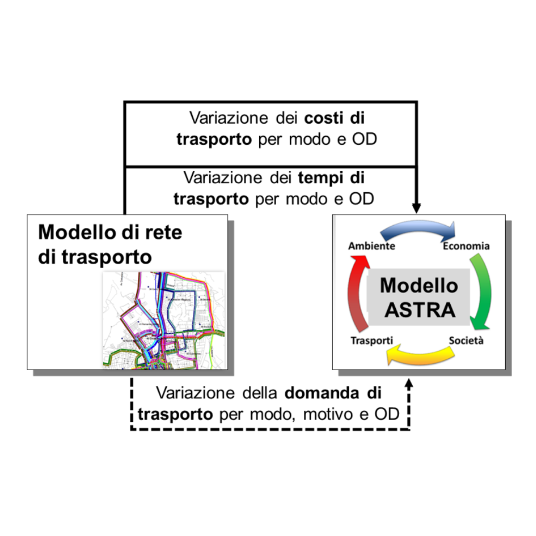
- ASTRA-ЕС model update and improved interaction with multimodal network assignment tools ASTRA is an integrated strategic model employed for policy assessment in the transport and energy field. The model is based on the System Dynamics approach and built in Vensim; it simulates the interaction between the transportation system and the environmental and economy modules. It is developed by TRT and used for several years by the Joint Research Center of the European Commission. TRT supported the use of ASTRA by JRC in two studies: http://www.astra-model.eu/
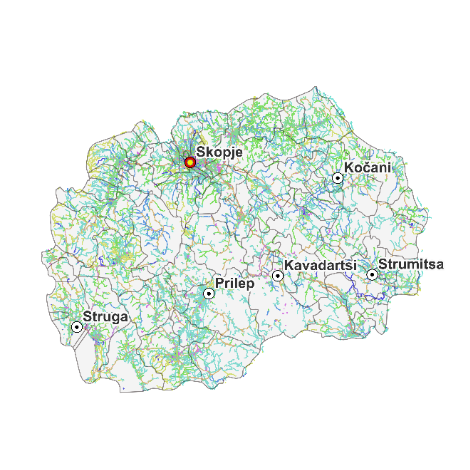
- Technical Assistance for Development of Sustainable Urban Mobility Plans for five Municipalities and providing training on developing and implementation of Sustainable Urban Mobility Plans North Macedonia faces significant challenges in managing its extensive local road network, which spans approximately 9,000 kilometers and falls under the jurisdiction of decentralized municipalities. Many of these municipalities lack the capacity and resources necessary for effective infrastructure maintenance, resulting in deteriorating road conditions that limit access to essential services and opportunities, ultimately affecting citizens’ quality of life. Developing a well-structured Sustainable Urban Mobility Plan (SUMP) is crucial to addressing these challenges and achieving the aforementioned objectives. The primary objective of this project, financed by the International Bank for Reconstruction and Development – World Bank, is to develop the SUMPs for the municipalities of Kavadarci, Kochani, Struga, Strumica, and Prilep by enhancing accessibility, promoting health and safety, supporting economic growth, and mitigating environmental impacts. This will be achieved through the promotion of sustainable transport modes, and the adoption of low-carbon initiatives aimed at reducing emissions and optimizing traffic flow. The SUMP development process aligns with European guidelines and is divided into two macro-activities:
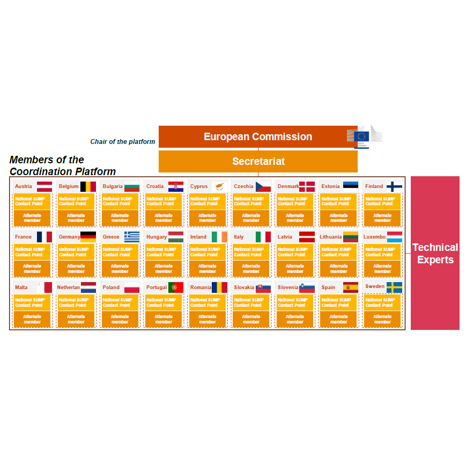
- Technical secretariat of the coordination platform to support Member States in implementing requirements for urban nodes in the revised TEN-T Regulation The European Commission’s Sustainable and Smart Mobility Strategy outlines a roadmap for achieving a sustainable, smart, and resilient transport system, with cities playing a central role in this transition. By 2030, all cities are expected to develop Sustainable Urban Mobility Plans (SUMPs) to drive this transformation. The New Urban Mobility Framework further emphasizes the importance of integrating cities and regions into the Trans-European Transport Network (TEN-T) by improving first and last-mile connections for both passengers and freight. Ensuring better coordination among local authorities is key to achieving this goal. To support these efforts, the revised TEN-T Regulation designates 432 urban nodes and establishes key requirements to be met by 31 December 2027. These include: To facilitate the implementation of these requirements, a coordination platform is being established. This platform serves as the main forum for exchange and collaboration among EU Member States, supporting the rollout of SUMPs and urban mobility indicators (UMI). By fostering knowledge-sharing and cross-border cooperation, it aims to ensure a consistent and high-quality approach to urban mobility across Europe. The platform’s technical secretariat is coordinated by PwC, with TIS, TRT, and ICLEI integrating the consortium. TRT leads Task 2, a pivotal component of the project that focuses on providing expert advice for implementing the urban node requirements. Key responsibilities include:
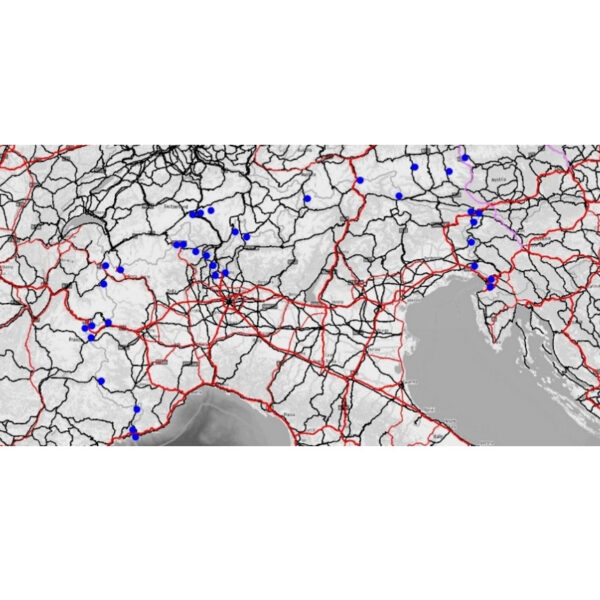
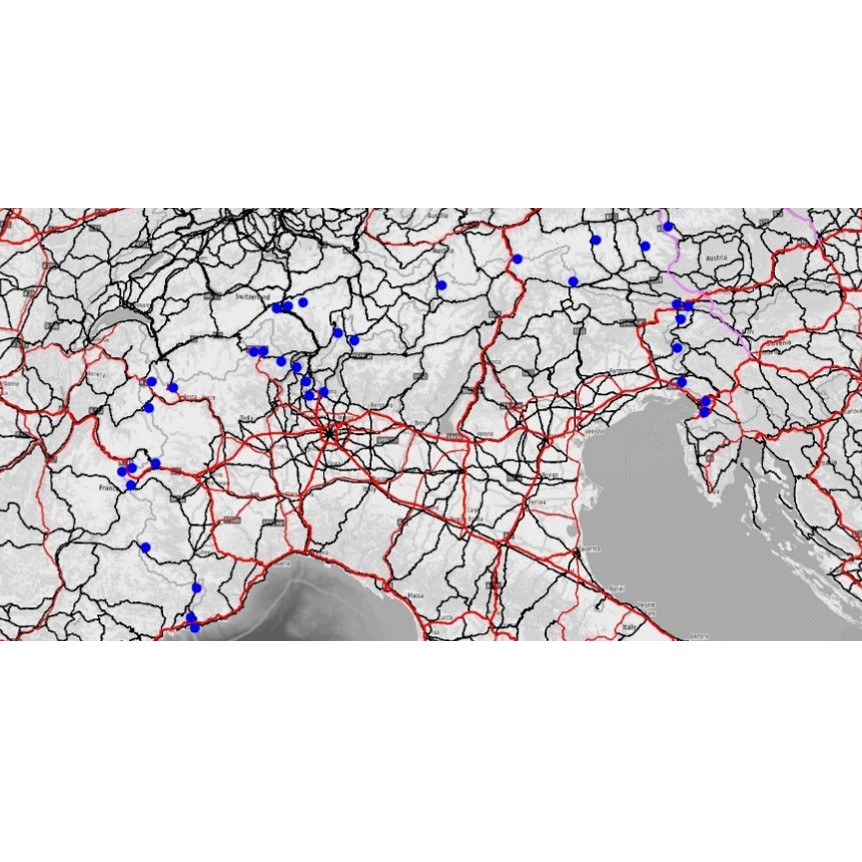
- Application of the TRUST model to support the resilience analysis of the Alpine crossing system The aim of the study was to analyse the resilience of the Alpine crossing system, that is, to evaluate how much the complex of crossings can guarantee an adequate level of service in case of “breakdown” events. For this purpose, the TRUST model, which is a strategic model at European scale, was used to simulate the functioning of the entire range of crossings with respect to the different hypothesized scenarios. The definition of the scenarios considered the fact that, from the point of view of their modelling, it is not the nature of the event that generates a certain variation of the inputs that is significant, but the extent of the variation that is determined in the functioning of the transport system. The scenarios have been translated into variations of one or more input elements of the model itself, namely: availability of some arcs to the modelled vehicle categories, capacity of the road links, travel speed on the links for the modelled vehicle categories. The application of the TRUST model produced, for each scenario, the following results compared to the reference situation:
- Identifying the untapped potential of completing key aspects of the Single European Transport Area (SETA) and of extending it to candidate countries Transport is a central pillar of European integration and a key pre-condition for the European Single Market. Access to seamless and efficient transport services and infrastructure across Europe is key to the functioning of the EU common market, affecting the free movement of people, goods, and services. The objective of the study is to provide a systematic analysis of the existing regulatory and non-regulatory barriers – as well as missing elements – that hamper the creation of the SETA and the completion of the Internal Market for the transport of goods and passengers and understand the economic impact of such barriers and missing elements. The study will use carefully selected case studies, to illustrate, with a combination of quantitative and qualitative analysis: TRT is the project coordinator of a 4-partner (Ricardo, M-FIVE, and TEPR) consortium, responsible for all activities of the studies, and main contact with DG MOVE
- Exploratory study for the new proposal addressing market challenges for the development of Multimodal Digital Mobility Services and the Single Digital Booking And Ticketing Regulation The main objective of the study is to support the development of the European Commission’s proposals for two parallel and complementary regulations: The focus of the study is on medium-long distance passenger trips, above 50 km. The activities will include at first the market analysis on the two aspects covered by the study. On the MDMS demand side, existing and potential demand for the use of MDMS services will be explored, while on the supply side, the presence, practical availability and accessibility of options across the EU will be assessed through the analysis of 100 representative routes. Passenger transport services and online passenger ticketing will be analysed for different modes of transport: air passenger transport (including Norway), rail passenger transport, bus and coach transport and maritime transport. Based on the analysis, the study will also define different policy options and support the assessment of the related impacts through the application of a modelling framework consisting of 6 modules, including the strategic ASTRA model. Impacts on passenger choice and resulting modal shifts will be estimated together with the resulting environmental, economic and social indicators by Member State and in 5 year steps up to 2050. The Consortium is lead by RICARDO, including TRT, TIS and TEPR. TRT contributes to the project as it comes to:
- The National Logistics Strategy for Mozambique was committed to a consortium coordinated by IdeaConsult and involving TRT and EEPLAN (a company located in Mozambique). The main objectives of the assignment are: The assignment will be carried out in four stages according to the following:
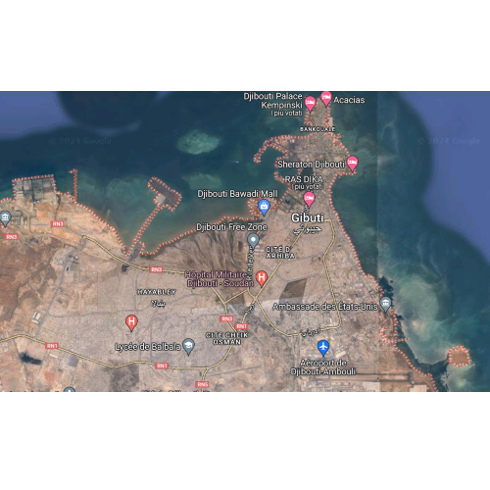
- The Djibouti authorities have appointed the consortium led by IDEA Consult to develop a long-term vision for urban mobility and an action plan for the short, medium and long term, taking into account climate change and its impact on transport networks. The aim of the project is to address the problems of the capital’s transport system, which are undermining its functionality. The study will be carried out in three phases An initial diagnostic phase of the urban transport system, which includes analysing demand, surveying the current state of the road infrastructure and constructing a macro and micro model. A second phase consisting of two main activities: a short-term priority investment programme providing rapid responses to problems, and the development of a shared long-term strategic vision for the urban transport system. Finally, a third phase will be the definition of the master plan for the urban road system. Within the consortium TRT will be responsible for:
- Accelerating net-zero transformation by advancing Europe’s transport pathways and cross-sectoral synergies, with the assessment through a system dynamic modelling framework of current plans and the design of alternative pathways PATH2ZERO aims to provide a comprehensive knowledge base for developing, evaluating and benchmarking net-zero transport pathways, including cross-sectoral assessments and fostering global collaboration. The transport sector accounts for a third of total greenhouse gas (GHG) emissions in the EU, and current planned policies (at EU and national level) alone are expected not be sufficient to meet these targets. Accordingly, there is a need to “develop a new post-2030 energy and climate policy framework to implement the 2040 GHG ambition level” as well as to achieve net-zero GHG emissions by 2050. The project will first develop a common analytical framework for the description of national pathways, with a focus on transport-related content, to collect comparable descriptions of implemented and planned cross-sectoral mitigation plans and transport policy pathways, as well as data for each EU Member State. An interactive dashboard will provide an overview of the current policy frameworks in the EU Member States related to the decarbonisation of the transport sector, facilitating comparative analysis. An advanced modelling framework (STraDyM – Transport Strategies Dynamic Model) will be designed and developed to forecast transport sector activity and emissions up to 2050 at Member State level, integrating them with other sectors for in-depth GHG mitigation assessments, including equity and economic impacts. Existing national transport models (available in five countries) will complement the framework. Finally, the PET-VTT model will be used to model the national and EU level pathways and strategies, including all the energy sectors and mitigation of CO2 emissions (taking transport-related input from the StraDyM and national models). The modelling framework will allow to assess whether the pathways currently implemented and planned in national strategies are likely to achieve the target reduction on the national level, what impact these strategies bear in terms of fairness, costs and risks. Finally, alternative pathways will be designed and simulated, highlighting all target and pathway choices and their trade-offs to evaluate and assess their impacts and effectiveness. The Consortium is led by DLR (Germany), including TRT and 10 other partners from Finland, Spain, Greece, Hungary, Germany, UK, Norway, France, Italy. TRT contributes to the project as it comes to:
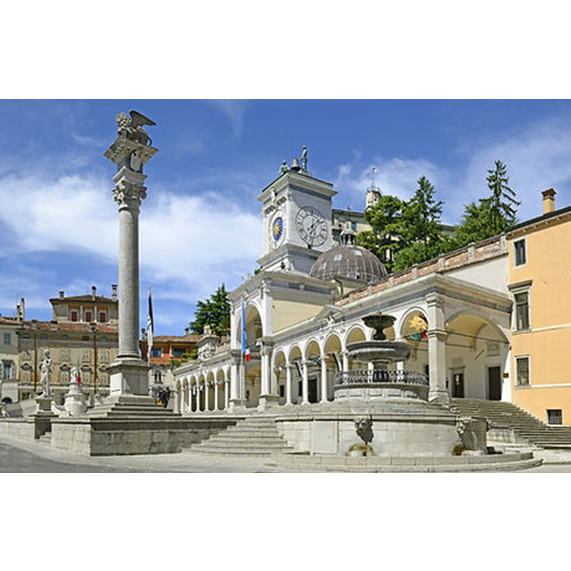
- Drafting of the new Sustainable Urban Mobility Plan and updating of the General Urban Traffic Plan for the city of Udine After a tender process, TRTIngegneria, in partnership with ISFORT Istituto Superiore di Formazione e Ricerca per i Trasporti, Ambiente Italia and GVG Engineering, was selected by the Municipality of Udine to draft the city’s first Sustainable Urban Mobility Plan (SUMP) and update its General Urban Traffic Plan (PGTU). With regard to the PUMS, the working group’s activities are structured according to the following methodological steps, in line with the 2019 guidelines of the Ministry of Transport and the new Regulation (EU) 2024/1679 (the city of Udine is a TEN-T urban node): All phases are accompanied by a broad and structured communication and participation campaign, which involves citizens and stakeholders through public meetings, technical round tables, focus groups and online questionnaires. The PGTU is developed on the basis of the objectives and measures defined in the short-term scenario of the PUMS, detailing the characteristics and feasibility of the individual actions. During the drafting of the PGTU, a series of urban traffic nodes are subject to detailed assessment through the application of a micro-dynamic simulation model (VISSIM) integrated with the multimodal model developed for the PUMS.
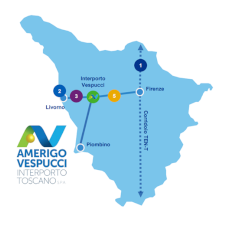
- Port of Livorno and Interporto Vespucci – Development and interaction between the Rail Plan and Darsena Europa The study, developed on behalf of Vega Engineering for the AdSP of the Northern Tyrrhenian Sea, was aimed at the functional analysis of the port – freight village system in the Livorno area to assess its potential and opportunities following the realisation and full implementation of the Piano del Ferro and the Darsena Europa. To this end, a cognitive framework was defined on the characteristics of supply and demand, current and future, of the port-freight village system and the definition of the functional evolution of the system in relation to the realisation of the planned infrastructural interventions around it. To support the definition of the port and freight village system, an analysis of the main Italian freight villages was also carried out in order to identify their characteristics, good practices and strong points to be transferred, if necessary, to the specific context of Livorno. Following the definition of the evolutionary scenarios, the infrastructural potential of the intermodal terminal was verified, and the future prospects of the entire port-freight village system were assessed, integrating this activity with the support of a simplified economic-financial analysis for the various evolutionary scenarios.
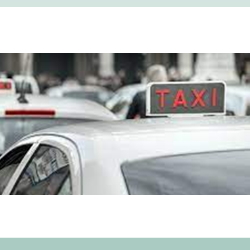
- Support for studies and research on demand and supply of taxi services in the Lombardy airports area The study consists of an analysis of the demand and supply of taxi services in the Lombardy Airport Basin. The overall objective of the study is to contribute to the definition of the appropriate level of taxi service in the Basin and the consequent determination of the number of licences required to provide this service. The study consists of several activities.The first activity is a sector study aimed at reconstructing elements regarding the supply context (mainly the regulatory framework) and potential demand for mobility in relation to taxi services. The second, and main, activity is a sample survey of Stated Preference to analyse the importance of several variables inherent to the taxi service and competition with alternative modes. The survey is conducted by means of a web-based questionnaire (CAWI) on a sample of 850 residents in Lombardy and 250 residents in other regions. For each respondent, the questionnaire includes some introductory questions and two different Stated Preferences exercises. The third activity is a fieldwork analysis of the interaction between demand and supply of services at a sample of taxi parking areas. The purpose of the survey, repeated annually for the three years of the study, is to analyse the main dynamics related to car parking times, customer waiting times, average number of customers per ride and other elements. The fourth activity consists of setting up a monitoring system for the taxi service. This includes the definition of a list of indicators and procedures for their quantification (data collection and processing) TRT develops all the activities of the study, except for the operational execution of the surveys, which is taken care of by companies identified directly by Polis. However, TRT takes care of the definition of the survey instruments (questionnaire) and the sample.
- Assess the degree of the implementation of the ‘user pays’ and the ‘polluter pays’ principles in the transport field in the EU Member States and other developed countries The objective of the study is to assess the extent to which the “user pays” and the “polluter pays” principles are implemented in the transport field. This allows the European Commission to observe the progress of Member States towards the goal of full internalisation of external and infrastructure costs of transport and to identify options for further internalisation. This study is an update of previous studies published in the years 2019 and 2014. The scope of the current study is extended to cover all external costs, all transport modes and, geographically, EU27 plus UK, Norway, Switzerland, Turkey, Western Balkans, Iceland, USA (2 States), Canada (2 provinces), Japan, Australia, New Zealand. Specific objectives concern: Provide estimations of total, average and marginal infrastructure and external costs for all relevant modes/vehicle categories and countries. Provide a detailed and transparent overview of the transport-related taxes and charges, including their structure and revenues, for all relevant modes/vehicle categories and countries. Assess the application for the different transport modes in the relevant countries of both the user-pays and polluter-pays principles. The update of the Handbook on External costs The objectives of the study are achieved through a comprehensive data collection on infrastructure costs (i.e., investment, renewal and operating), transport charges, earmarking of tax revenues and user charges. Appropriate methodologies are applied to estimate external costs for all modes and categories. With regard to the activities of the study, TRT (already involved in previous studies) is responsible for: developing estimates of the external costs related to congestion for all transport modes, developing estimates of infrastructure costs for rail mode and with regard to all categories of external costs elaborating the analysis of six case studies on intermodal freight terminals, and supporting data collection, as country expert for Italy, France, Poland, Latvia and Lithuania. For more information, check our previous study on Sustainable Transport Infrastructure Charging and Internalisation of Transport Externalities
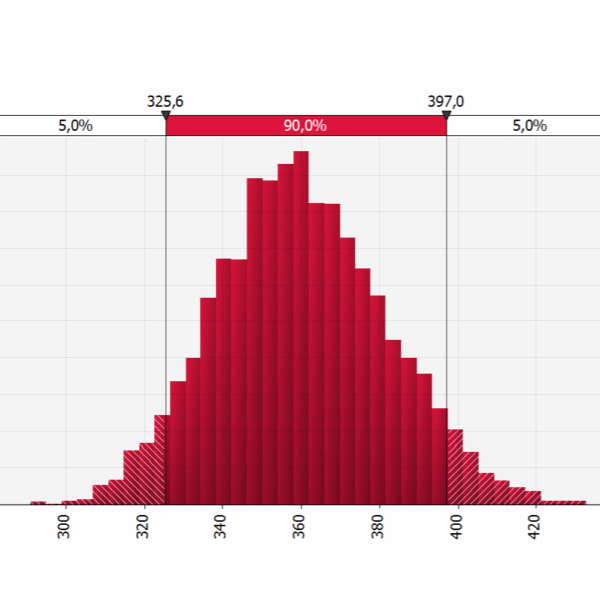
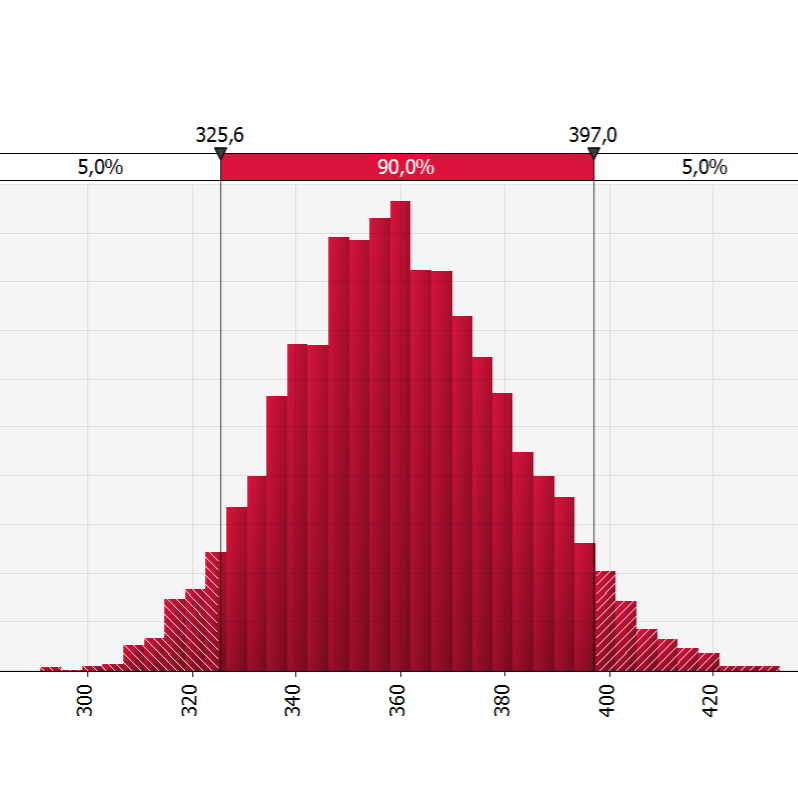
- Feasibility project of the mass transport system for the connection between the area of the railway station located in Latina Scalo and the city centre TRTingegneria as member of the consortium formed by Tecnosistem (leader) and One Works (partner), has been commissioned to draft the Technical and Economic Feasibility Project – PFTE – for the public transport connection between the railway station (located in Latina Scalo) and the city center of Latina. Within the project, TRTIngegneria is responsible for the preparation of the cost-benefit analysis and risk analyses. The Cost-Benefit Analysis evaluates, by comparison, different alternatives of the public transport lines’ routes through the calculation of their main economic indicators (Economic Net Present Value – ENPV and Economic Internal Rate of Return – EIRR). The basic approach of every evaluation is the comparison of different alternative scenarios against the reference scenario of no project implementation. The analysis is conducted considering the MIT Guidelines for the evaluation of investments in public works (2017) and the recent Addendums for the submission of applications for access to resources designated for Rapid Mass Transport by Fixed Installations and for the evaluation of railway projects (2021). As required by the ministerial guidelines, the economic analysis is accompanied by the qualitative risk analysis and the quantitative risk analysis, that has been developed using the specialized software (@Risk). The @Risk software employs Monte Carlo simulation, a statistical technique that involves running multiple simulations using random variables to generate possible outcomes for a decision or event. The quantitative risk analysis is enhanced with sensitivity analysis, scenario analysis, and their optimization. For the main statistical variables (e.g., investment costs, operational costs, benefits, etc.), the software allows choosing from numerous distribution curves and generates numerical and graphic outputs with the calculation of P90 and/or P80 and P50 probabilities for the results of the analyses conducted.
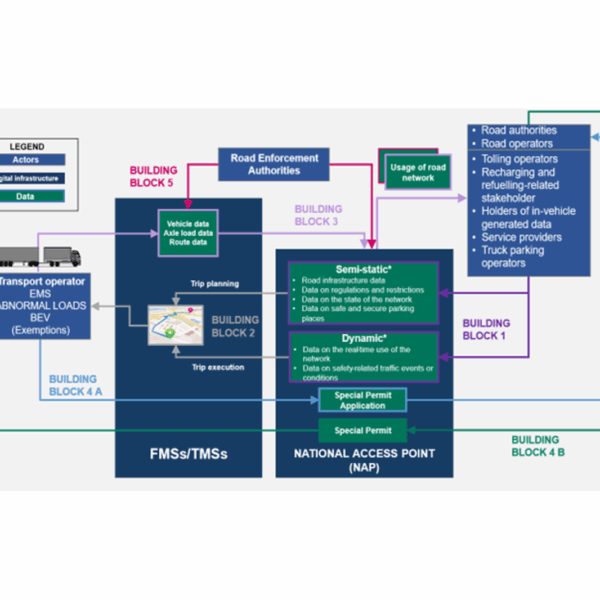
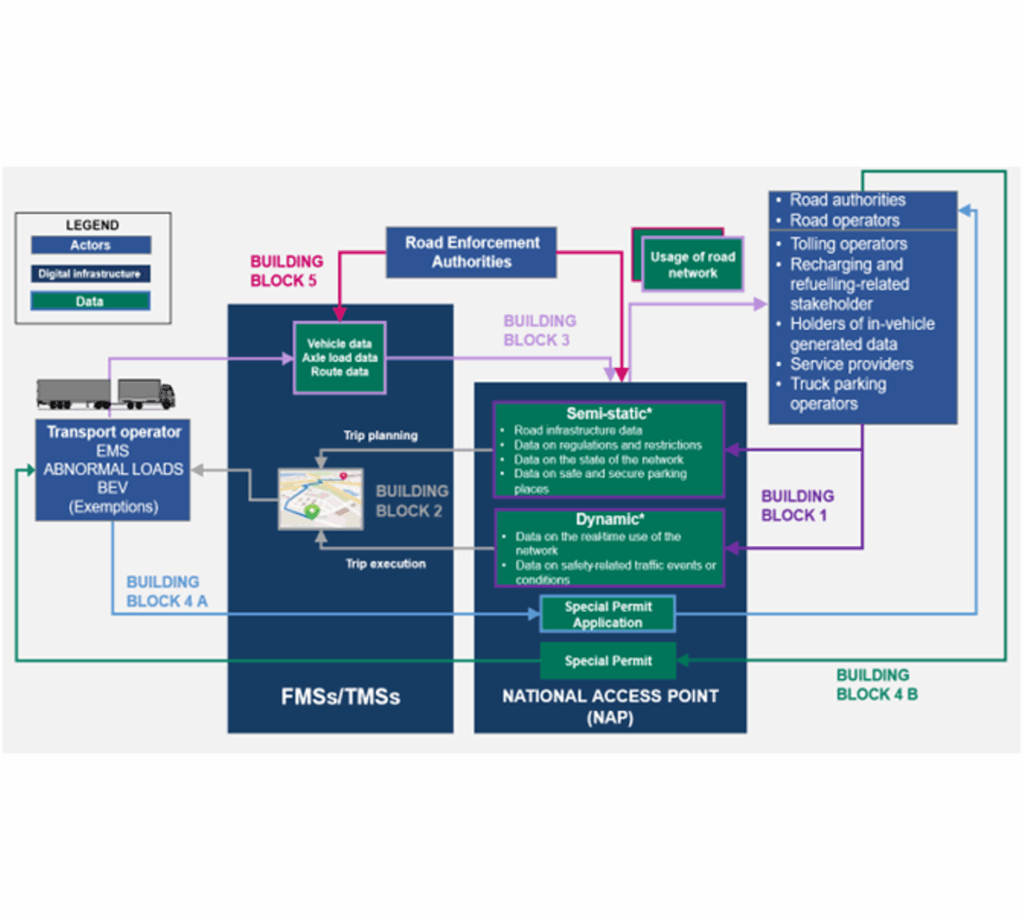
- ISAC Intelligent Access (as a part of the digital transformation of road freight transport) Intelligent Access (IA) is an evolving and relatively new concept of ensuring “the right vehicle with the right cargo/freight, operates on the right road at the right time“. This approach promises significant benefits, including improved oversight for authorities, streamlined permitting processes for operators, and enhanced predictability in routing. It also supports broader policy objectives such as reducing congestion, minimizing environmental impacts, and safeguarding infrastructure integrity. The ISAC project proposes a functional architecture for IA implementation across Europe that operationalizes IA policy principles through five interconnected building blocks shaping the system architecture. Together, these building blocks form a scalable, interoperable framework designed to support phased implementation across countries, aligning with varying levels of digital maturity while ensuring harmonization at European level. The overarching objective of ISAC is to deliver general guiding principles, showing the dependencies, pre-conditions, and necessary steps to move implementation and adoption of IA forward across borders and at national level for the transport of goods by road. Within ISAC TRT led WP2 on the development of IA system architecture and roadmaps for the implementation of IA schemes in Europe.
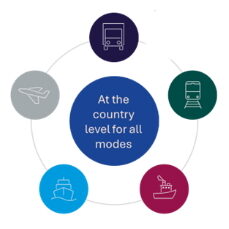
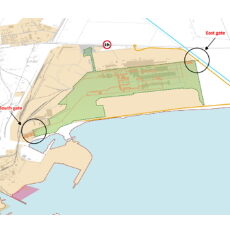
- Analysis of the external logistics of the new metallurgical complex in Piombino The analysis, developed on behalf of Metinvest Adria S.P.A., aimed to assess the impact of the external logistics of the new Piombino steel complex. The logistics operations concern the handling of bulk materials and finished steel products (coils and steel plate packaging) from the production site to the external network and vice versa. These handling operations will involve the railway line from the new complex to the Fiorentina station in Piombino, the junction of the existing railway network, the road network serving the area under study and the port area for relations by sea. The analysis was carried out considering two different delivery options of raw material to the industrial site: Option 1 (Basic), according to which the largest share of the volumes are delivered to the new complex by truck and train; Option 2 (Alternative), according to which 80 per cent of the total quantity is delivered to the site by ship. Furthermore, in the analysis of external transport by rail from the plant to the Fiorentina railway station in Piombino, two different study options were considered, which differ substantially in terms of the route taken to the external network. The current demand for both modes of transport considered was then reconstructed, the demand induced by the production site was estimated, and the infrastructures capacity was verified. As far as logistics between the port and the new complex are concerned, the number of vehicles that can be handled during daily operating hours was identified together with a check on rail capacity for an optimal evaluation of solutions. To supplement the analysis, the study included the dimensioning of checkpoints for vehicle control, loading, weighing and document operations, as well as an estimate of the number of locomotives required to manoeuvre the estimated trains.