Consultancy services and research activities
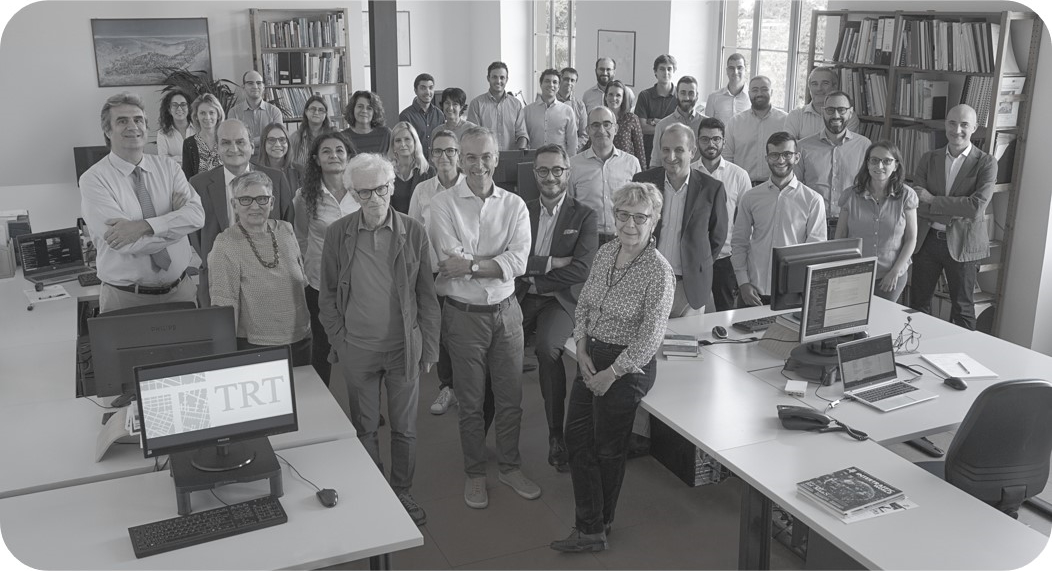
TRT Trasporti e Territorio is an independent consultancy based in Milano (Italy) and Brussels (Belgium), specialized in economics, planning and transport modelling.
Established in 1992, the Company has earned a solid reputation in supporting public and private actors thanks to its professional and R&D activities in the fields of transport projects and policy assessment. TRT is, indeed, experienced in several and referenced professional services in the following main areas: strategic planning, urban mobility, research projects, feasibility studies, project assessment, transport demand analysis and forecast, logistics and freight transport, planning and regulating of public transport, energy and environment.
OUR SERVICES
Studies
We analyse problems and strategic issues on behalf of public institutions and private clients
Research
We actively work in the field of new policies and technologies and in the development of quantitative tools
Planning
We develop mobility plans, passenger and freight transport networks and systems
Assessment
We develop methodologies and estimate social, economic, and financial impacts

WE CONTINUE TO EXPAND AND IMPROVE OUR SKILLS
Electric mobility and ITS
Technological innovation and transport system decarbonisation are studied at a local and international scale
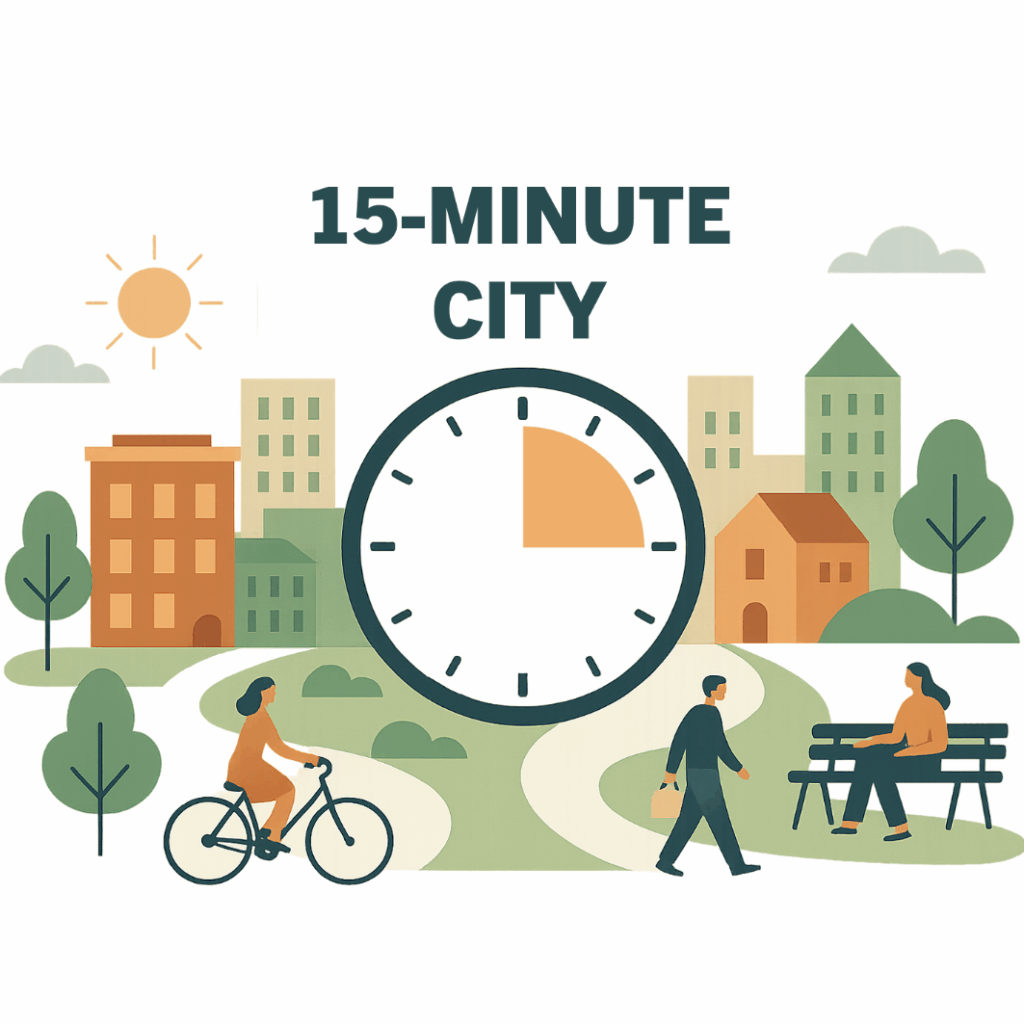
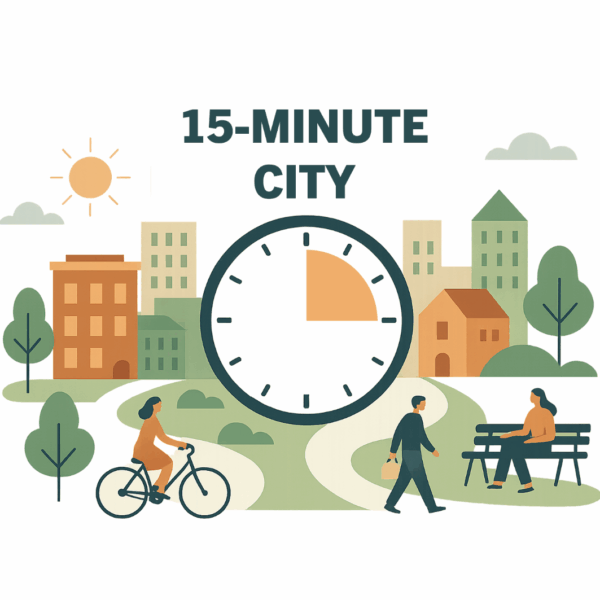
- UVAR4US – Using Urban Vehicle Access Regulations for Reshaping Urban Space The UVAR4US project, coordinated by RiSE (Research Institutes of Sweden) with TRT among its partners, is funded under the Driving Urban Transitions (DUT) partnership within the Horizon Europe programme. The project explores how Urban Vehicle Access Regulations (UVARs) can help create cleaner, more liveable, and people-friendly cities in line with the 15-minute city vision — where daily needs are within a short walk or cycle. UVAR4US studies how access regulations affect mobility, the use of public space, and car dependency. By breaking UVARs down into key “building blocks”, the project identifies how different approaches can be combined to fit local urban contexts and community preferences. An open knowledge base will share examples of existing UVARs and their impact on mobility and urban life. A participation framework will highlight how citizen involvement and transparent decision-making contribute to successful policies. These resources will feed into the UVAR4US Toolkit — a practical set of tools to help cities design and evaluate UVAR strategies that support the 15-minute City model. Four Living Lab cities, each preparing to implement new access regulations, will test and refine the project’s tools and methods in real-life conditions. Why it matters Cities across Europe struggle with congestion, air pollution, and limited public space. UVAR4US aims to show how smarter vehicle access management can reduce car dependency, encourage walking, cycling, and public transport, and improve overall urban quality of life. Participating countries Belgium, Germany, Greece, Italy, Spain, Sweden. Funded project partners Cluster Viooikonomias Kai Perivallontos Dytikis Makedonias, Helsingborgs kommun, Living Prospects Ypiresies Anaptyxis & Perivallontos Etaireia Periorismenis Efthynis, Rupprecht Consult-forschung & Beratung GmbH, TRT Trasporti E Territorio Srl, Universiteit Gent
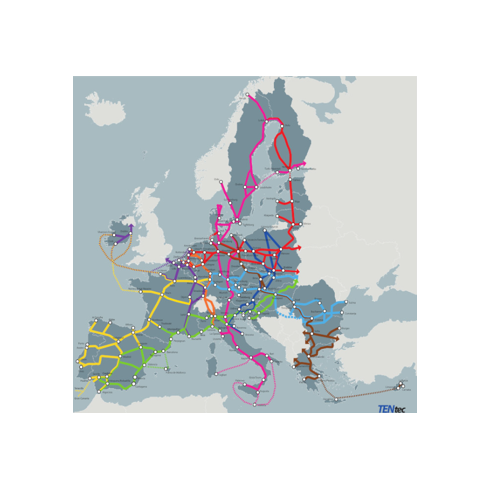
- Identifying the untapped potential of completing key aspects of the Single European Transport Area (SETA) and of extending it to candidate countries Transport is a central pillar of European integration and a key pre-condition for the European Single Market. Access to seamless and efficient transport services and infrastructure across Europe is key to the functioning of the EU common market, affecting the free movement of people, goods, and services. The objective of the study is to provide a systematic analysis of the existing regulatory and non-regulatory barriers – as well as missing elements – that hamper the creation of the SETA and the completion of the Internal Market for the transport of goods and passengers and understand the economic impact of such barriers and missing elements. The study will use carefully selected case studies, to illustrate, with a combination of quantitative and qualitative analysis: TRT is the project coordinator of a 4-partner (Ricardo, M-FIVE, and TEPR) consortium, responsible for all activities of the studies, and main contact with DG MOVE
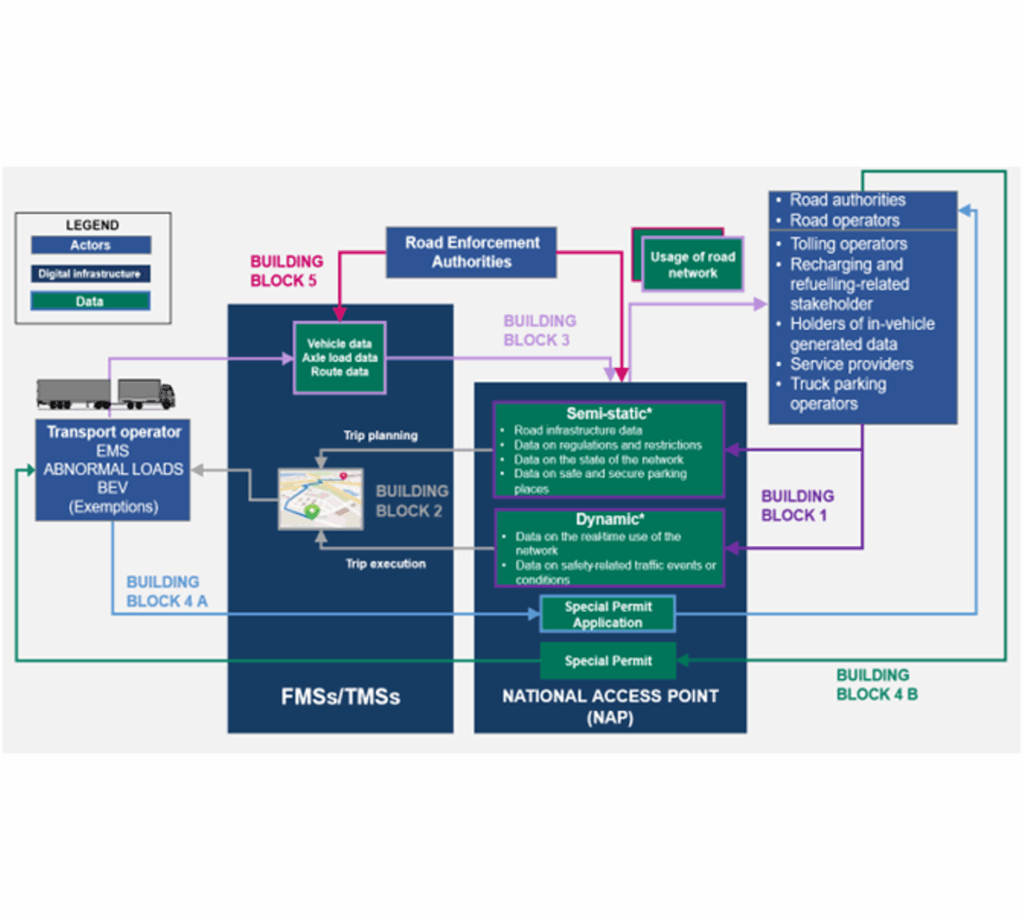
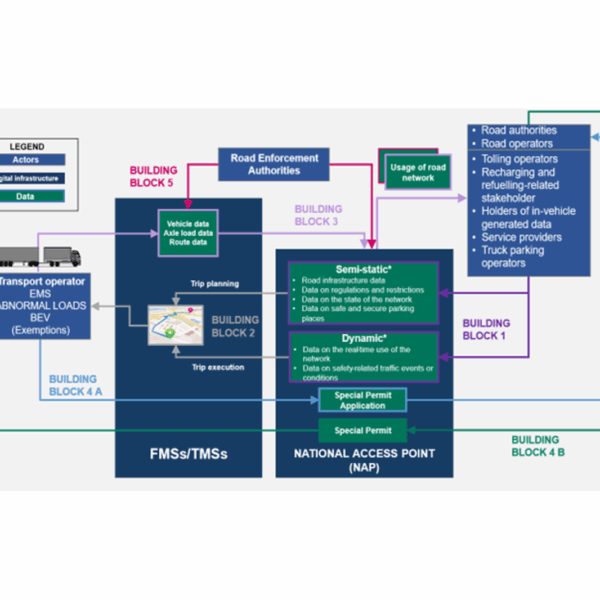
- ISAC Intelligent Access (as a part of the digital transformation of road freight transport) Intelligent Access (IA) is an evolving and relatively new concept of ensuring “the right vehicle with the right cargo/freight, operates on the right road at the right time“. This approach promises significant benefits, including improved oversight for authorities, streamlined permitting processes for operators, and enhanced predictability in routing. It also supports broader policy objectives such as reducing congestion, minimizing environmental impacts, and safeguarding infrastructure integrity. The ISAC project proposes a functional architecture for IA implementation across Europe that operationalizes IA policy principles through five interconnected building blocks shaping the system architecture. Together, these building blocks form a scalable, interoperable framework designed to support phased implementation across countries, aligning with varying levels of digital maturity while ensuring harmonization at European level. The overarching objective of ISAC is to deliver general guiding principles, showing the dependencies, pre-conditions, and necessary steps to move implementation and adoption of IA forward across borders and at national level for the transport of goods by road. Within ISAC TRT led WP2 on the development of IA system architecture and roadmaps for the implementation of IA schemes in Europe.
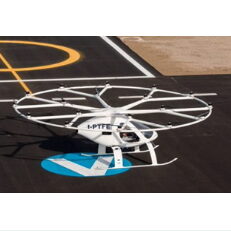
- Pre-feasibility study for the establishment of a Vertiport in the Municipality of Piacenza The pre-feasibility study for the establishment of a vertiport in Piacenza is pioneering in the context of Urban Air Mobility themes and has been structured around three main lines of activity: market analysis, demand analysis (potential), and location hypotheses. The market analysis and its prospects involved an in-depth examination of electric vertical takeoff and landing (eVTOL) aircraft, their temporal outlook, and the technological barriers associated with such technologies. An overview of the global and national market was provided, and insights were developed regarding the ground infrastructure enabling these new services – Vertiports – as well as potential services, taking into account industry regulations. Furthermore, a detailed analysis was conducted on both global and Italian cases of experimental vertiport implementations, examining the regulatory framework in the sector. The analysis of potential demand was conducted using big data, derived from mobile network cells, and focused on exchange flows with possible attractor centres within a radius of approximately 150 km from Piacenza. These attractor centres included the city of Milan and the airports of Milan (Maplensa and Linate), Bergamo, Bologna and Turin. The potential locations for the vertiport within the territory of the Municipality of Piacenza were examined, taking into account the necessary infrastructure elements and European guidelines provided by EASA (European Union Aviation Safety Agency). The selection criteria favoured pre-existing, accessible areas. Finally, the estimate of the minimum required square footage and associated costs have been prepared.
- Flexibly adapted MetaInnovations, use cases, collaborative business and governance models to accelerate deployment of smart and shared Zero Emission mobility for passengers and freight MetaCCAZE is a “Research and Innovation Action” Horizon Europe project to support the implementation of the Climate-neutral and Smart Cities Mission. Its overreaching mission is to accelerate the user-centred deployment of smart systems and services that combine electric automated and connected mobility and related infrastructure across European cities. The project organizes a series of MetaDesign activities with multisector-stakeholders and population groups to develop co-designed and shared zero-emission mobility use cases, collaborative business and governance models. A toolkit called MetaInnovations will be developed consisting of six main smart technologies (1. grid supply-fleet-demand; 2. AI-Datawarehouse; 3. inductive automated charging; 4. remote control centre for Avs and ADAS for parking and docking; 5. AI-driven re-scheduling tools for e-services; 7. Digital twin optimisation). These technologies will be implemented to improve passenger and freight services (PT, on-demand minibuses, bike sharing and deliveries) and related infrastructures (mobility and logistics hubs, traffic management centres, charging infrastructure) in 4 trailblazer cities (Amsterdam, Munich, Limassol, Tampere). Successful cases will be transferred, implemented and demonstrated in 6 follower cities (Athens, Krakow, Gonzo, Milan, Miskolc, Paris region). TRT is leader of WP1 that sets the ground by reviewing the current situation in the cities and defining the several activities that will help structuring the implementation of the trailblazer and follower cities as well as their cross-fertilization. TRT will also design the standard impact evaluation framework that will be used by the cities to assess the efficiency and to ensure that their impacts aligns with the MISSION and SUMP/SULP targets. Finally, TRT will also prepare the “MetaPolicy Package” to contribute to updates of urban and transport policies and feed the strategic research and innovation agendas (SRIA) of CCAM, 2ZERO, CIVITAS and other initiatives.
Cost Benefit Analysis
Project assessment covers transport infrastructure and beyond
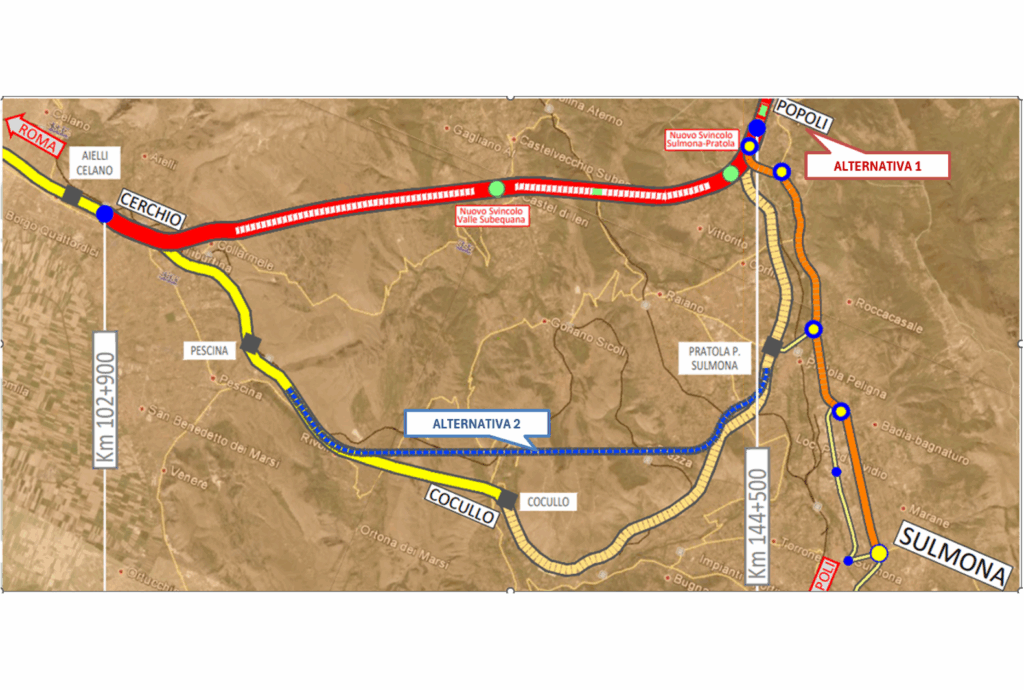
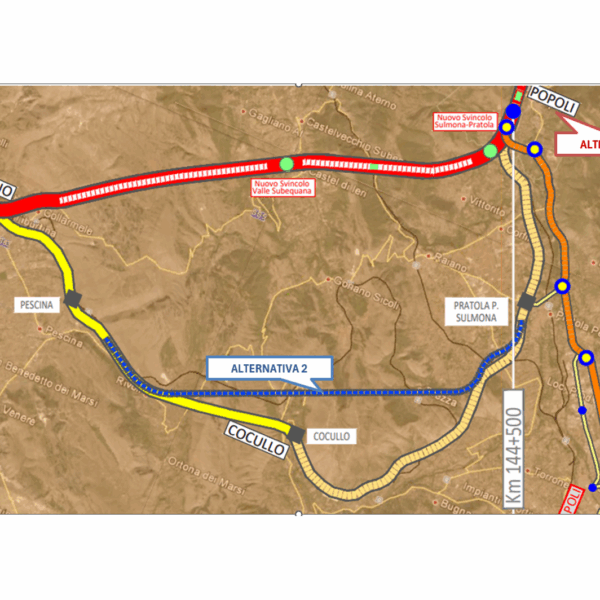
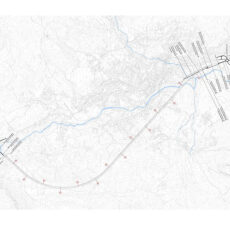
- Comparative analysis of costs and savings of two alternative routes As part of the feasibility study for the structural and functional upgrade of the A25 motorway, with particular attention to the section known as the “Cerchio-Popoli Variant,” TRT was tasked with preparing a comparative analysis of the costs and savings between two possible route alternatives. The currently operational highway section between Cerchio and Popoli presents significant infrastructure challenges related to both the age of the structures and the morphological conditions of the terrain it crosses. In this context, Strada dei Parchi S.p.A. and Italferr have submitted design modification proposals aimed at improving the safety, functionality, and sustainability of the infrastructure. Alternative 1 envisions the construction of three new tunnels, two viaducts, and new junctions, along with the demolition of the existing section between Cucullo, Pratola Peligna, and Sulmona. The new route would extend from the municipality of Cerchio to Popoli and would save approximately 17 km compared to the current situation. Alternative 2 envisions the construction of a new tunnel and the simultaneous demolition of the same existing section between Cucullo, Pratola Peligna, and Sulmona. This solution would save approximately 7.5 km compared to the current situation. For Alternatives 1 and 2, costs and savings were estimated over a 34-year timeframe, including the four years of construction of Alternative 1 (the first to enter into operation) and the 30 years of operation from its opening date. Based on the demand data provided by the traffic study (carried out by Plinomia Srl, and including accidents’ costs estimation as well), three growth scenarios were defined: Precautionary, Optimistic, and Pessimistic. For each scenario, the construction and maintenance costs of the works, the residual value taking into account the useful life of the various components, the time savings, the environmental benefits, and the accident costs of the two alternatives were compared.
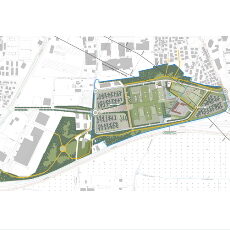
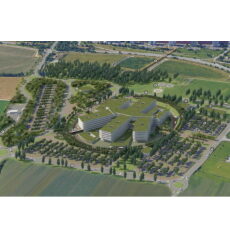
- New hospital in piacenza: transport study and cost-benefit analysis for the design of the feasibility study for the new location in area 5 TRT Trasporti e Territorio was commissioned by the Local Health Unit (AUSL) of Piacenza to provide technical support to the design group led by Policreo Srl, with the in-depth studies on the Transport Study and the Cost-Benefit Analysis developed within the Feasibility Study, (drawn up in accordance with art. 14 of Presidential Decree No. 207/2010), of the New Hospital of Piacenza related to area 5 (AL 9), located in the urban sector within the urban ring road, between Corso Europa and Strada Farnesiana. The study is divided into three main activities: the first is about the mobility and parking system related to the current hospital location, analysing in detail the system of roads, parking and public-private accessibility of the area. the second is about the functionality of the road infrastructures serving the new hospital in Piacenza, assessing the impact of the private mobility system, in terms of road infrastructures and the parking system; the third explores cost-benefit analysis issues, comparing the new project of the hospital with the option of maintaining and upgrading the existing hospital. The cost-benefit analysis estimates the project’s contribution to improving the social-economic well-being of the community, i.e. it estimates whether the social-economic advantages, or benefits, outweigh the disadvantages, or social costs. Related projects: Transport study and cost-benefit analysis of the new hospital in Piacenza
- Professional support on the cost-benefit analysis of the «S.S.51 – Variante di Cortina» project A new bypass in the city of Cortina d’Ampezzo (Belluno) is foreseen as part of the infrastructural improvements promoted by Anas S.p.A. in the Veneto region, Italy, and particularly in the areas hosting the XXV Winter Olympic Games in 2026. The project consists of a road bypass alternative to the current route formed by state roads no. 51 «di Alemagna» and no. 48 «delle Dolomiti», which currently pass through the city centre. It aims at lightening the traffic flow crossing the city by moving it towards a different journey – mostly in a tunnel -, thus improving traffic smoothness and the liveability and attractiveness of the popular mountain resort, which enjoys a rich and vibrant tourist market in both winter and summer. TRT developed the cost-benefit analysis of the proposed project according to the most recent guidelines of the Italian Ministry of Infrastructure and Transport. Transport and socio-economic benefits – such as time savings of passengers and goods, as well as a reduction in accident costs – were identified and quantified in monetary terms, and confronted with construction and periodic maintenance costs. Based on results obtained from the economic model, properly discounted over time, the usual indicators for socio-economic returns were computed, i.e., the Economic Net Present Value (NPV), the Internal Rate of Return (IRR), and the benefits-costs ratio (B/C). A sensitivity analysis related to the most critical variables was run, along with the computation of the IRR’s switch values (i.e., the values of individual variables that alone turn the NPV to the negative side). Finally, aiming at valuing the safeguarding of a landscape and touristic asset such as the Italian Dolomites, the analysis was accompanied by a qualitative assessment of the project’s non directly monetizable benefits. These include a higher usability and accessibility of the city centre as a consequence of lower congestion, higher transit speed for extra-urban traffic in case of adverse weather conditions, as well as an increase in road safety thanks to a route running mostly in a double-barrel tunnel.
- New Hospital of Piacenza: Contributed to the feasibility study through an in-depth transport system analysis and a Cost-Benefit Analysis TRT Trasporti e Territorio was commissioned by the Local Health Unit of Piacenza to provide technical support for the project of the New Hospital of Piacenza, as part of a consortium led by Policreo Srl. TRT contributed to the feasibility study through an in-depth transport system analysis and a Cost-Benefit Analysis. The activities were divided into three main topics: the first topic concerned the mobility system of the current hospital complex, analysing in detail the road system, the public and private accessibility of the area and the hospital parking area; the second theme assessed the functionality of the road and parking infrastructures serving the new hospital area and estimated the impacts on the private mobility system. The transport analyses concerned the private and public modes as well as cycling and the parking systems. The analysis was conducted through the application of a sophisticated and dynamic traffic micro-simulation tool that provided a series of quantitative parameters (average speed, delays, etc..) functional to assess vehicular flows; The third one was related to the cost-benefit analysis. The analysis was developed comparing the scenario with the new hospital with the scenario where the existing hospital is upgraded/renovated. The cost-benefit analysis estimated the project’s contribution to social welfare, comparing the socio-economic costs of the two scenarios (investment, maintenance, etc.) with the corresponding benefits (health benefits, improved transport accessibility, availability of recreational and green spaces).
- Financial and economic analysis of the new metro line Afragola AV-Napoli and of a moving walkways at Colli Aminei station The project consists of an evaluation of two transport infrastructure projects: the new metro line Afragola-Napoli (LAN) and of a moving walkways at the Colli Aminei metro station (CAM). Respectively, these projects have been planned by the regional administration to connect the Afragola high-speed rail station with Naples inner city, and to improve the accessibility of the (sloping) Colli Aminei metro station. Based on a detailed traffic analysis, TRT carried out a financial and economic evaluation (cost benefit analysis) of the projects, considering on the one hand the project investment and operating costs, and on the other hand the impacts expected from the induced modal shift (lower road traffic levels, travel time savings, reduction of traffic externalities, etc.). The evaluation took into consideration different project layouts of LAN and CAM, contributing to identify the best alternative from a cost-benefit point of view. As provided by the national guidelines on transport project evaluation, a risk analysis was also developed including a qualitative risk analysis, a quantitative risk analysis, a sensitivity analysis.
Studies and projects in Africa
Over the last years TRT has been developing studies and projects in several countries across Africa
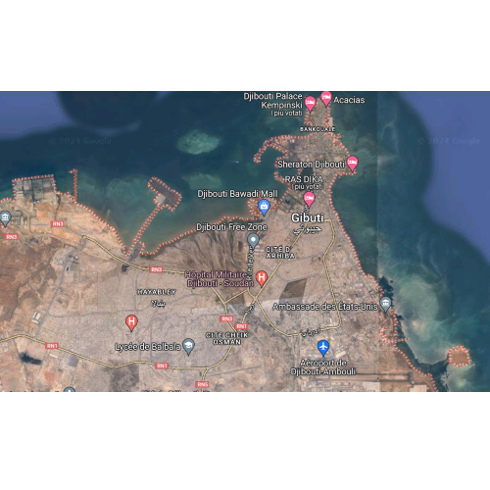
- The Djibouti authorities have appointed the consortium led by IDEA Consult to develop a long-term vision for urban mobility and an action plan for the short, medium and long term, taking into account climate change and its impact on transport networks. The aim of the project is to address the problems of the capital’s transport system, which are undermining its functionality. The study will be carried out in three phases An initial diagnostic phase of the urban transport system, which includes analysing demand, surveying the current state of the road infrastructure and constructing a macro and micro model. A second phase consisting of two main activities: a short-term priority investment programme providing rapid responses to problems, and the development of a shared long-term strategic vision for the urban transport system. Finally, a third phase will be the definition of the master plan for the urban road system. Within the consortium TRT will be responsible for:
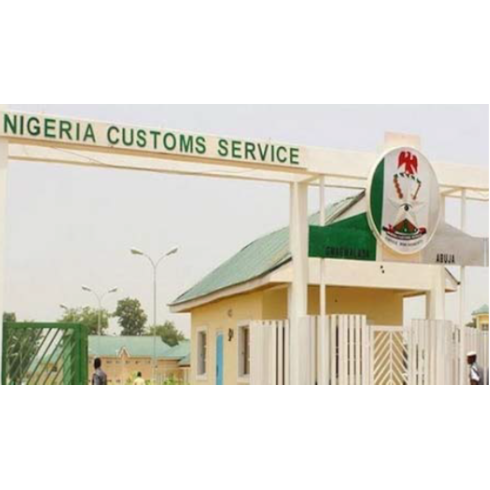
- Trade and Transport Facilitation Study on the Abidjan-Lagos Corridor Highway Development Project The core of the study, committed to TRT and IdeaConsult, is the analysis of the current process of border crossing by both passengers and freight within Cote d’Ivoire, Ghana, Togo, Benin and Nigeria. This analysis aims to identify any bottlenecks, whether they are legal, regulatory, or related to physical infrastructure, that complicate the crossing. The study then will propose measures at both national and regional levels that would significantly improve the current crossing systems in terms of both time and cost for passengers and goods crossing one or more borders along the corridor. TRT team will provide its expertise for tasks related to ICT, logistics, and transportation, through the involvement of selected key experts. The work includes organising on-site meetings, collecting data for the reconstruction of the state of the art in the fields of ICT, logistics, and transportation in the corridor and in the countries concerned. TRT team is responsible for drafting reports on ICT, logistics, and transportation themes and for presenting the results and content of the reports.
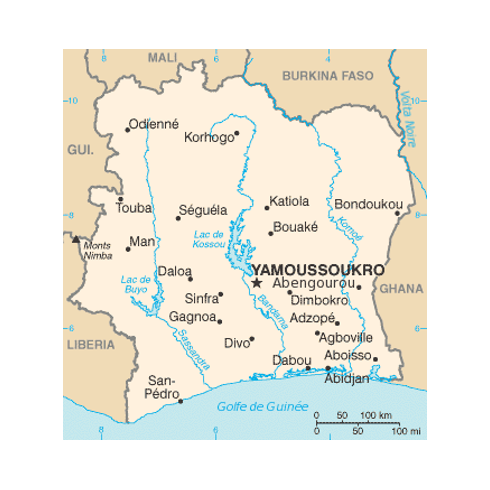
- Ivory Coast – Elaboration of the National Logistics Plan The aim of the project is the elaboration of the National Logistics Plan of the Ivory Coast with the identification of strategies for the development of logistics in the country, the drafting of an action plan and the training on the simulation model realised. The work is characterised by the performance of the following activities: collection of data and information through field interviews and desk research with reference to freight transport and logistics in Ivory Coast; processing of the data and information collected in order to provide an overview of the current state of logistics in the country, both in terms of supply and demand for freight transport; analysis of the institutional, organisational and regulatory framework of the freight transport sector in the Ivory Coast; study of the country’s freight transport and logistics development programmes for the future years; elaboration of the National Logistics Plan of the Ivory Coast. In support of the plan, TRT is also responsible for the construction of a simulation model of the demand and supply of freight transport in the country, capable of providing a forecast of demand, also in relation to the constant growth of the national GDP and the planned infrastructural interventions both on the transport network and on the main nodes (such as, for example, distribution centres and port terminals).
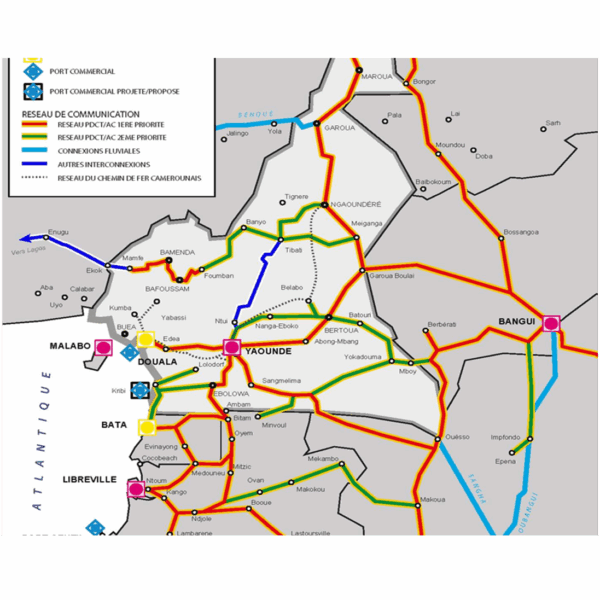
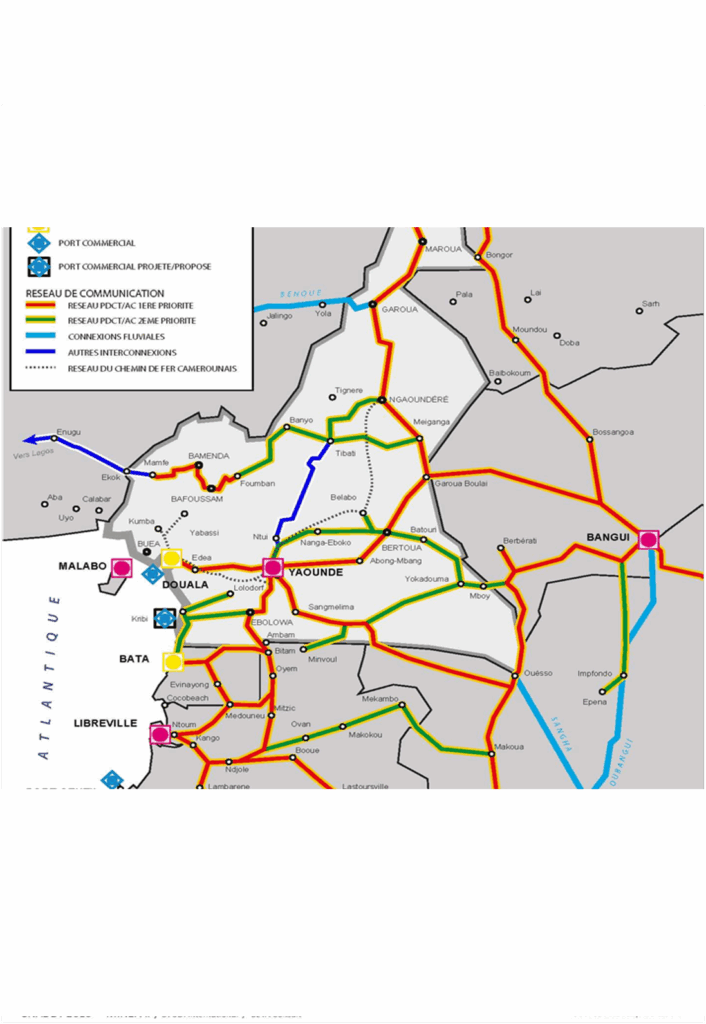
- Development of Cameroon’s National Logistics Strategy and Action Plan for the period 2025-2035 TRT Trasporti e Territorio, with its team of logistics experts, is involved in developing a national logistics strategy for Cameroon and an action plan for the years 2025 to 2035. The activity is divided into two main areas: •Activity 1: develop the strategy and action plan in line with various sectoral development strategies, such as urban mobility plans, regional development plans, river and intermodal transport strategies, etc.. •Activity 2: develop terms of reference for the main priority activities recommended by the national logistics strategy and carry out a feasibility study for the formation of a National Transport and Logistics Coordination Council (CNCTL) in Cameroon. Among the activities listed, TRT is specifically responsible and leader for assessing the infrastructure requirements and logistical services needed, as well as the measures to be taken to improve their performance.